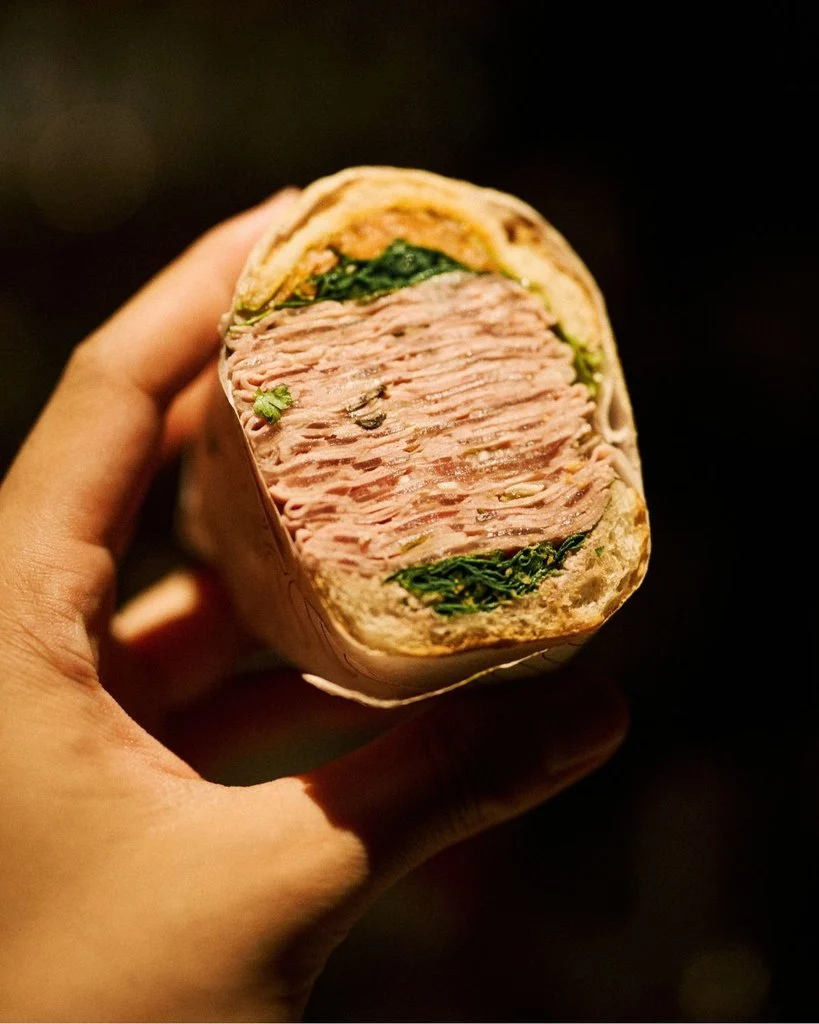
After nearly a decade of conceptual fine dining, chef Peter Cuong Franklin is finally tackling phở and bánh mì. At Ănăn Saigon, Peter had largely avoided Vietnam’s most recognizable foods, working instead with bánh xèo, bún chả, thịt kho and cơm tấm. “Like the elephant in the room, phở was always there and present,” he says, “but I avoided it for a long time.”
When Peter opened his restaurant in 2017, modern Vietnamese cooking was still novel enough that it sat empty for its first few months. Six years later, Ănăn earned Saigon’s first Michelin star; only then did he circle back to the classics with Pot Au Phở 2.0 and Bánh Mì Mới. His approach remains the same: “Understand the heart and soul of the dish, to find the core elements of the dish, the flavor combination that makes the dish sing,” he says. “That’s what you keep, focus on and maybe even amplify.”
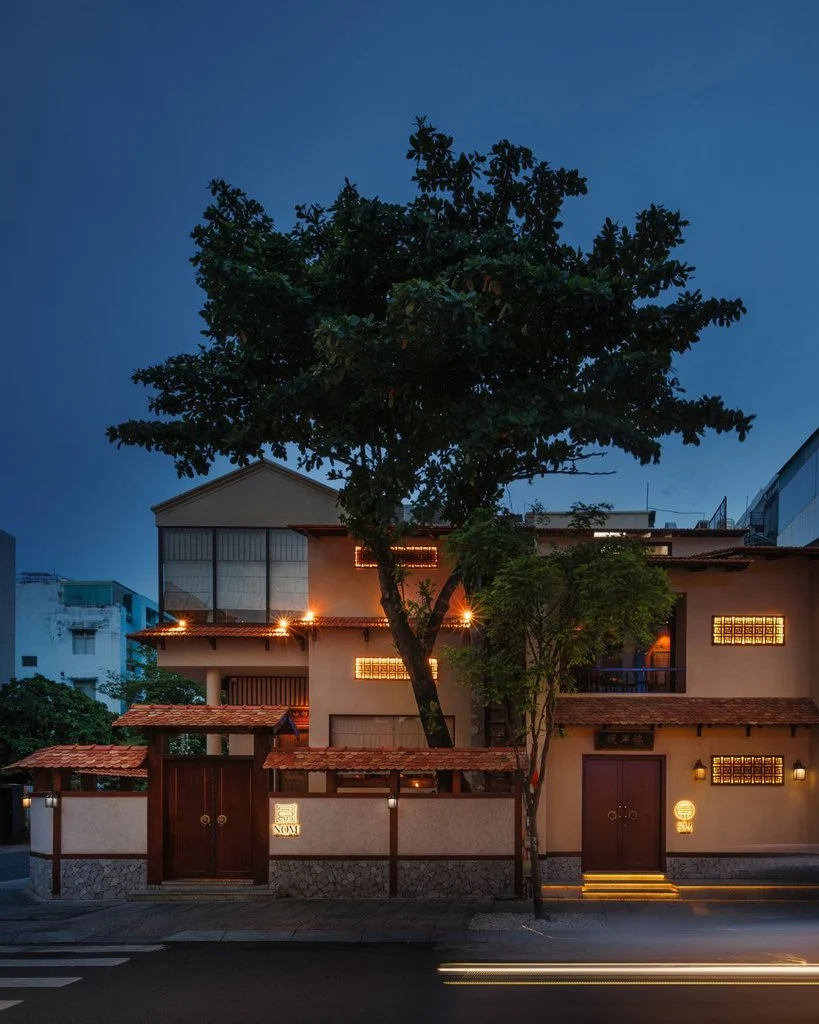
Saigon’s dining scene has changed dramatically since. The question is no longer simply whether Vietnamese food can be modernized, but what constitutes that “heart and soul”—and how much can change before it disappears. At gastro wine bar Bar Rơm, chef and cookbook author Anaïs Ca Dao van Manen draws on Vietnamese memories and influences gathered abroad; at Fluid, chef Thạch Tạ cooks freely across cultures; while at tasting-menu newcomer NÔM Dining, Singaporean chef Chris Fong approaches Vietnamese cuisine from an outsider’s perspective.
All of these restaurants look and taste remarkably different, but each begins from a similar place: to move a cuisine forward, you first have to understand what you are carrying with you.
First, Know What You’re Changing
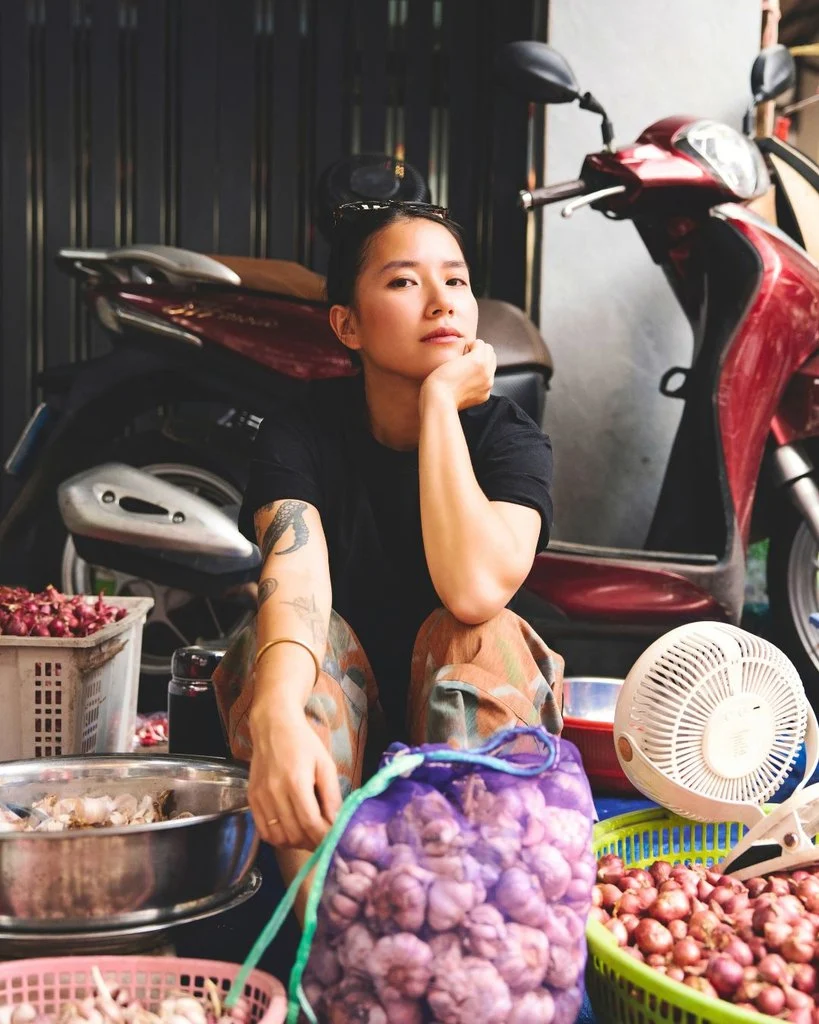
For Anaïs, that understanding begins with memory. Born in France to a Vietnamese family, she has spent years digging into Vietnamese culinary tradition, most recently for Vietnam: The Cookbook, yet when asked what makes food Vietnamese, she returns to the table she grew up around. “To me, this cuisine is extremely personal, as it embodies my culture and my family,” she says. “My favorite dish, thịt kho tiêu, comes from the countless times I’ve eaten it with my brother while growing up.”
What survives change, she argues, is an ethos rather than an exact recipe. “I’ve had Vietnamese food overseas, and while the restaurants have had to adapt their dishes to their circumstances—like changing some herbs, or making a dish less spicy—but it still follows the ethos and values of a Vietnamese dish or meal,” Anaïs says.
These permutations don’t just manifest outside Vietnam—but amongst its various regions. Thạch points to canh chua, whose balance of sweetness, acidity and seasoning shifts between regions. “Tradition is not necessarily about keeping a dish exactly as it has always been made,” he says, “but about understanding what gives that dish its identity before deciding how far you can take it.”
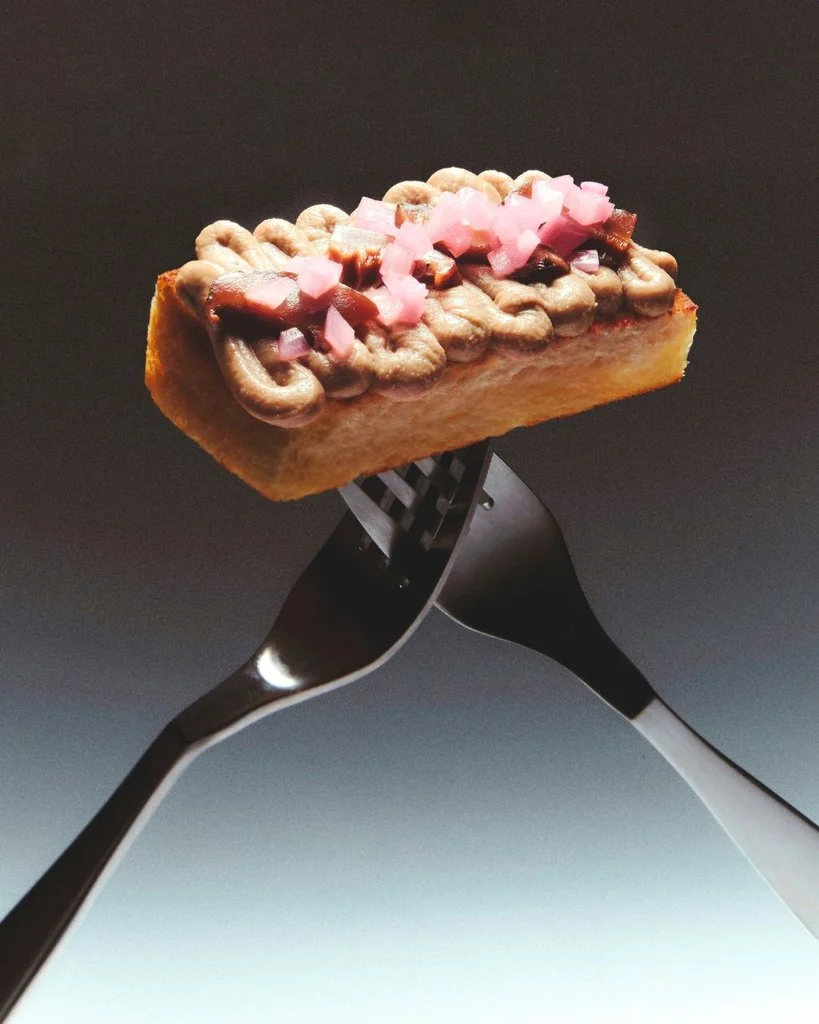
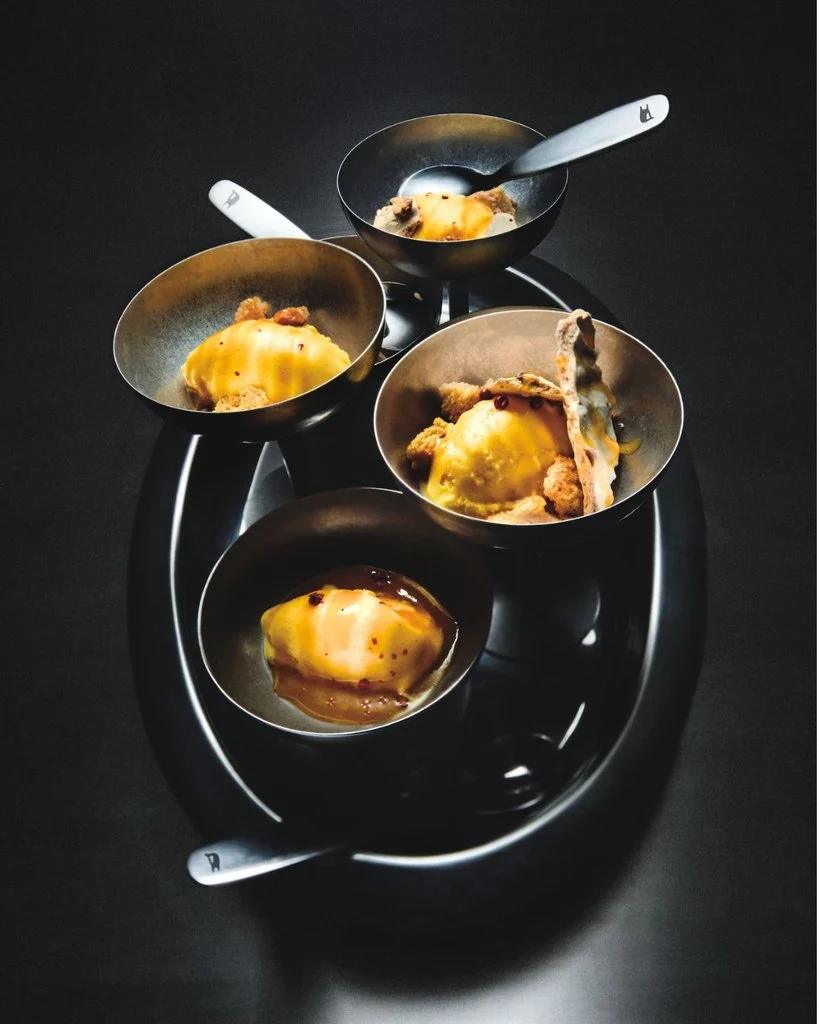
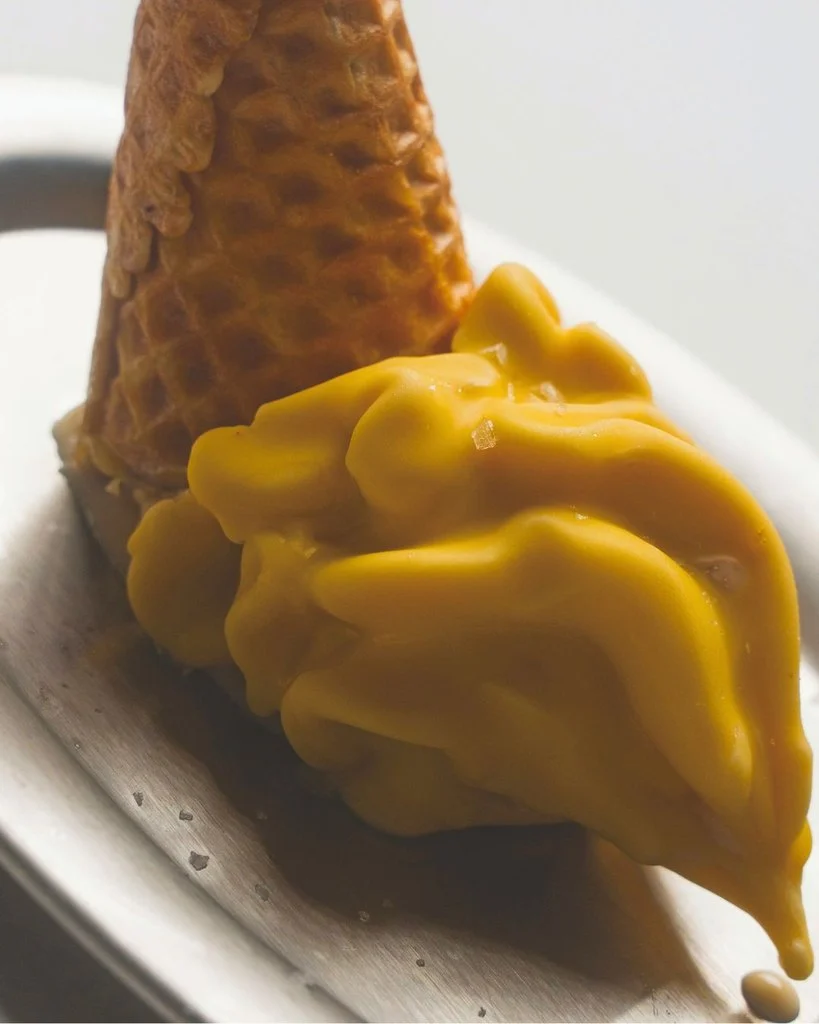
For Chris, finding those boundaries requires eating—a lot. “If we want to develop a new interpretation of bún chả, we should first eat ten, twenty, perhaps even fifty different versions,” he says. Only then can a cook understand “which changes still feel acceptable, and which changes fundamentally alter the identity of the dish.”
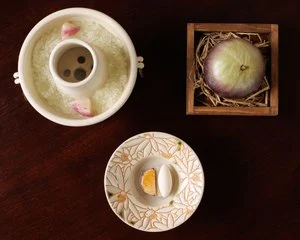
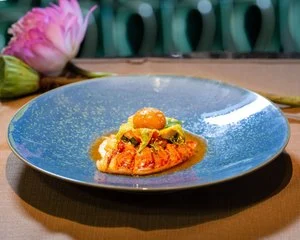
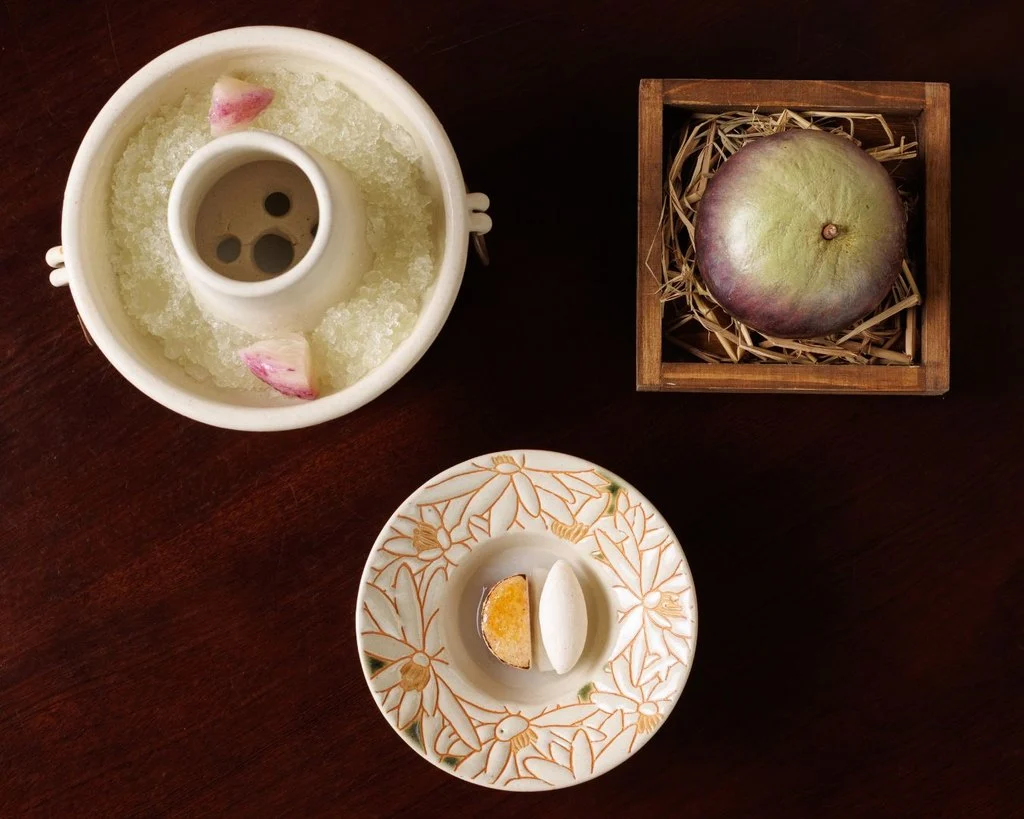
At NÔM, that research becomes a tasting menu moving through Vietnam from North to South, pulling apart familiar dishes such as bánh canh cá, bánh mì bò kho, and bún riêu. The restaurant’s cơm hến is particularly telling: the humble Huế dish is recast with sushi rice and Australian jade abalone, yet anchored by the fermented intensity of mắm ruốc.
The deeper Chris looks, the less static Vietnamese food appears. “When I study food traditions, I don’t only study recipes or techniques,” he says. “I also study the movement of people, the movement of words, and the movement of ingredients.”
Then, Break the Rules
Knowing the rules makes them more interesting to break. At Bar Rơm, Anaïs has even made peace with a word she once detested. “For a long time, I was against the idea of fusion, the name itself gave me goosebumps,” she says. “But I’ve realized that, in our modern times, food has more room to grow and evolve, and fusion is part of that.”
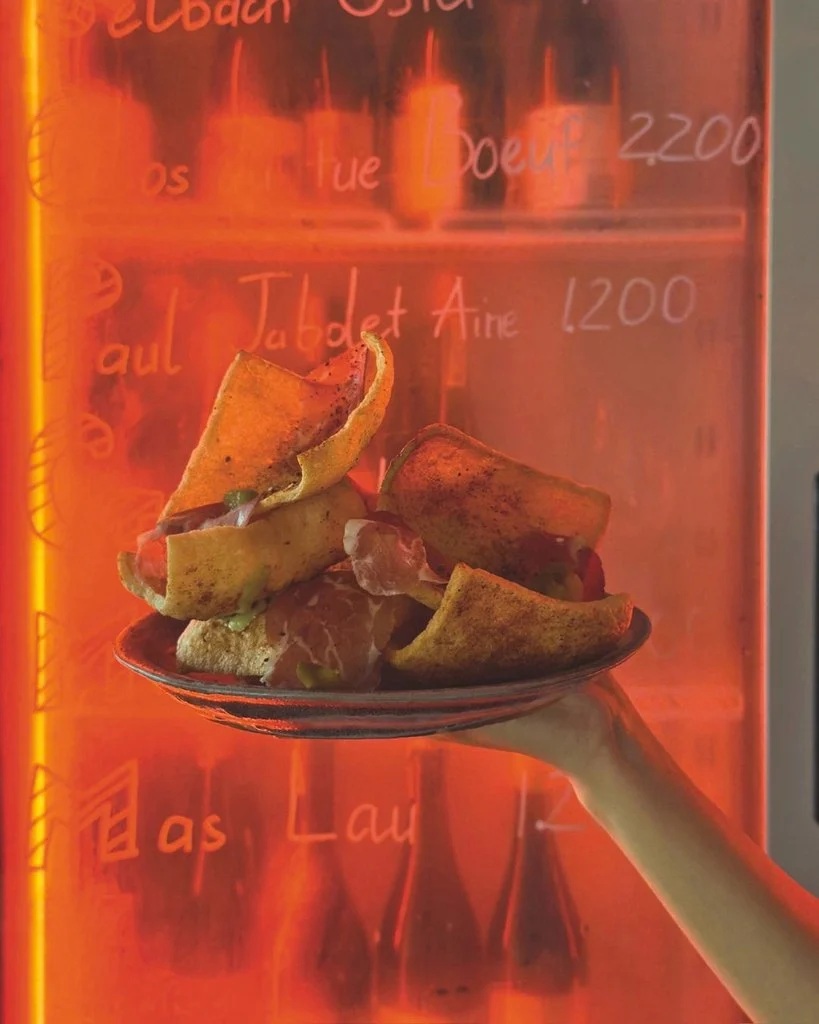
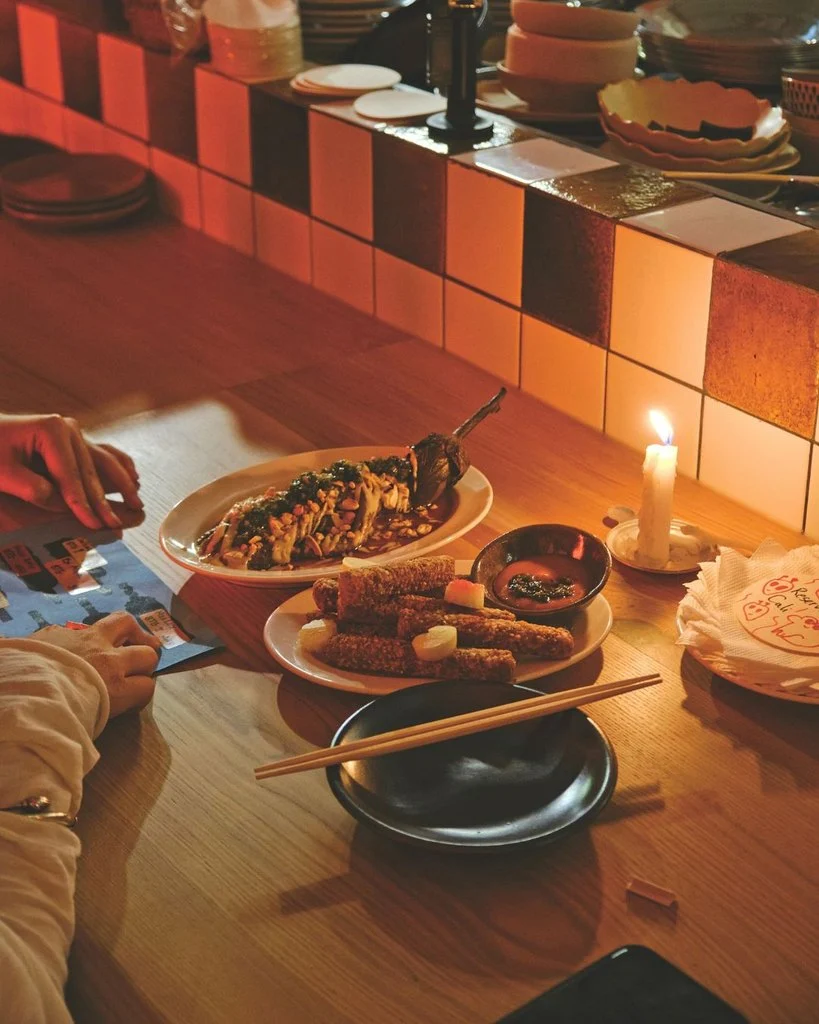
The menu showcases those collisions lightly. Airy prawn crackers with silky coppa riff on the Valencian tapa xanxullo—chips topped with jamón or anchovies—while stuffed lamb brings together thịt dê hấp tía tô with funky, fermented chao and grilled stuffed peppers from Greece. Both meet over charcoal, a technique Anaïs sees as deeply Vietnamese. “Cooking with fire and charcoal is quite elemental in Vietnam,” she says. “Open fire and smoking really give a depth that you don’t get from gas.”
At Fluid, the tension of tradition and innovation likewise plays out within a single plate. Thạch’s crispy pork knuckle begins with porchetta, then moves back toward Vietnam through a rich thịt kho-inspired sauce, cut with tangy apple caramel and fresh apple and dill. “The Vietnamese palate has a very strong sense of balance, but also a lot of depth from ingredients like fish sauce, fermentation and dehydrated seafood,” he says. “That gives me a foundation to build from, so I can be quite playful with flavours while still keeping a dish grounded.”
Peter, however, is equally careful not to confuse experimentation with improvement. His bánh xèo taco folds the Vietnamese savory crepe into the handheld form of a Mexican taco, but he describes it as an alternative rather than an upgrade. “I am not sure if any dish that I do is better than any of the street food or traditional Vietnamese dishes,” he says. “I would be the last one to claim that my dish is better than the traditional bánh xèo that is made by those amazing ladies on the street of Vietnam.”
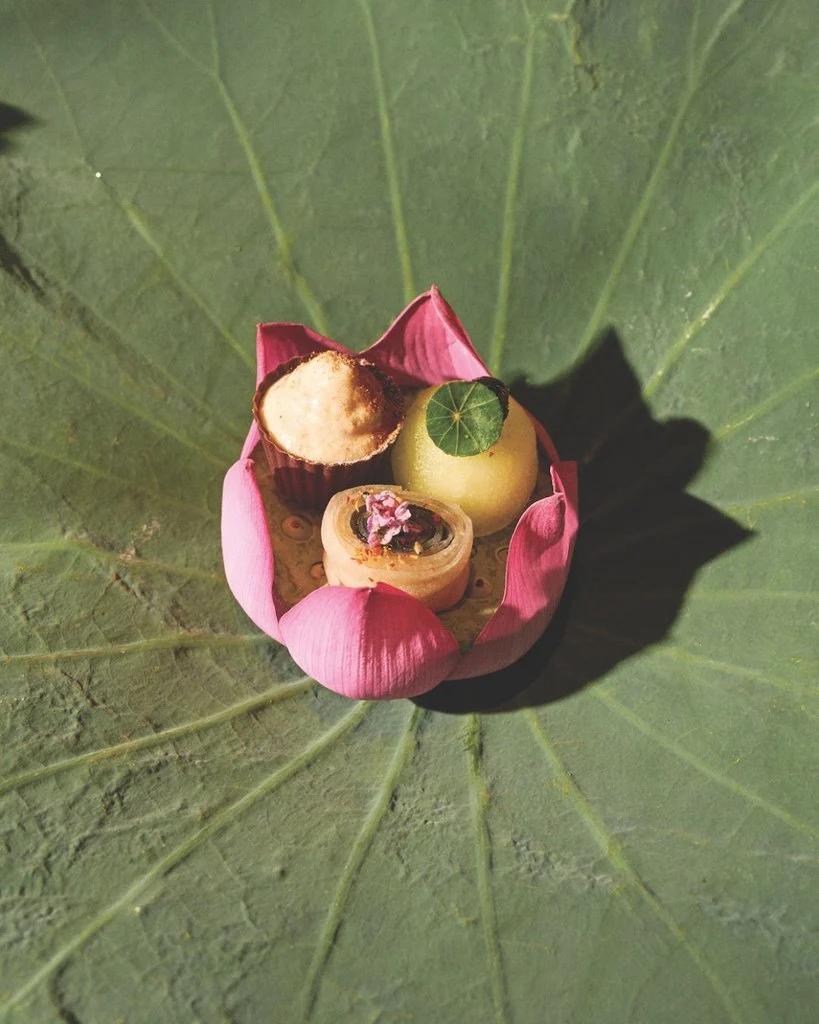
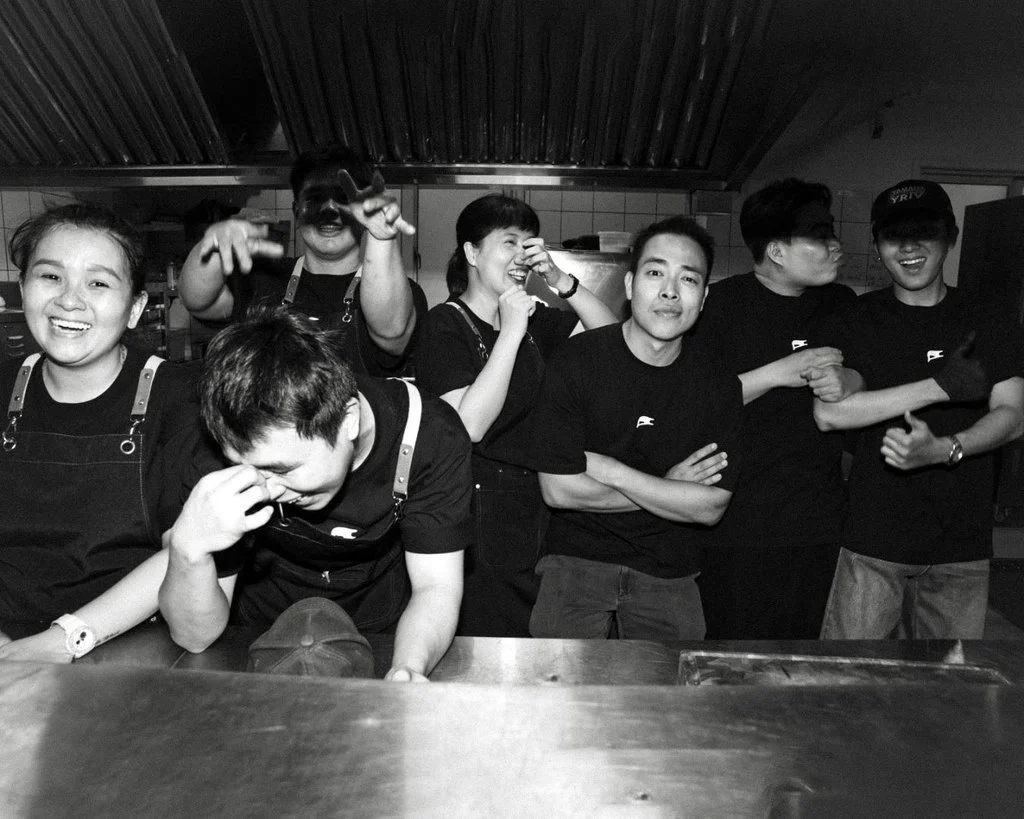
Experimentation also raises the question of who gets to decide when a dish has gone too far. For Chris, a Singaporean chef interpreting Vietnamese cuisine, that decision cannot be his alone. He calls his approach “collective cooking,” bringing his Vietnamese team together to taste and challenge each dish.
“Does this still feel Vietnamese? Have we pushed it too far? Or can we push it even further?” he says. “When you are working with a culture, especially one that is not originally your own, I believe the people from that culture should have a voice in how it is represented.
Think Beyond the Plate
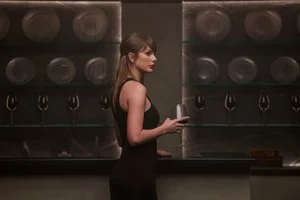
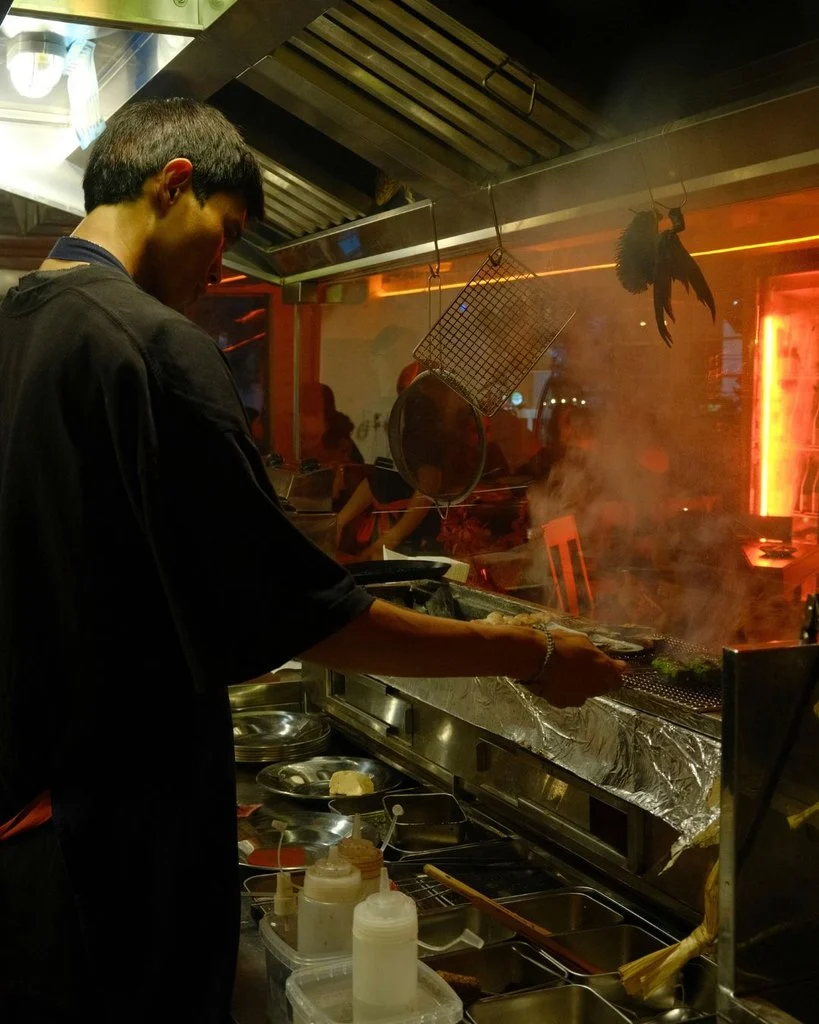
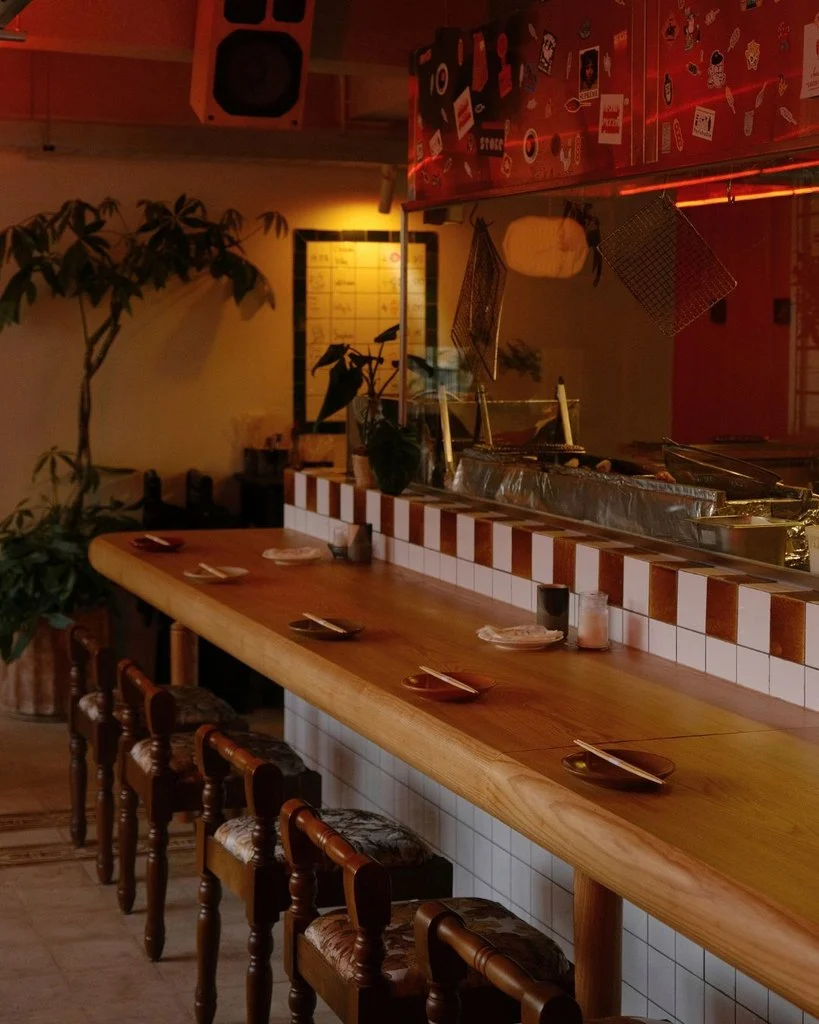
The evolution of Saigon dining is not confined to the plate. At Bar Rơm, Anaïs considers atmosphere “50% of the job,” imagining the restaurant less as a formal dining room than someone’s dinner party. Her husband, electronic musician Peter Van Hoesen, curates separate playlists for before and after 9 p.m.; as guests get “a little buzzier,” wine gives way to cocktails, shots and Vietnamese liquors. “We want people to feel like they’re at someone’s apartment, where they catch glimpses of a life being lived,” Anaïs says.
Her grandmother’s round table sits in one corner; portraits of the six partners’ pets hang on the walls. Food, music and personal objects blur together, allowing Vietnamese memories to coexist with the international influences that shape Anaïs’s cooking. It is another kind of fusion, only this time the ingredients are a room, a playlist and a night out.
Fluid pushes the restaurant further into visual culture. While Thạch shapes the food, his partner and creative director Ben Phạm draws on fashion and contemporary art, collaborating with young artists and designers on the space. For Fluid’s opening campaign, rather than simply photographing the menu, Ben made the humble egg the guest of honor at a surreal “birthday party,” surrounded by 16 figures from fashion, music, film and other creative worlds. Simple, familiar and capable of endless transformation, the egg became an apt symbol for a restaurant built around fluidity.
A decade ago, “modern Vietnamese” could feel like a proposition that needed defending. Today, there is no single direction in which the cuisine—or its restaurants—must move. It can reach outward toward Greece or Italy, inward toward mắm ruốc and fermented rice, sideways into fashion and nightlife, or circle back to a steaming bowl of phở. Saigon’s new restaurants are not leaving tradition behind so much as discovering just how much room there has always been inside it.
Courtesy of Alex Yem, NÔM Dining, Bar Rơm, Fluid Saigon, Pot au Phở