“The voice is smoke-like, fleeting, and yet it carries an entire history and identity inside it.”
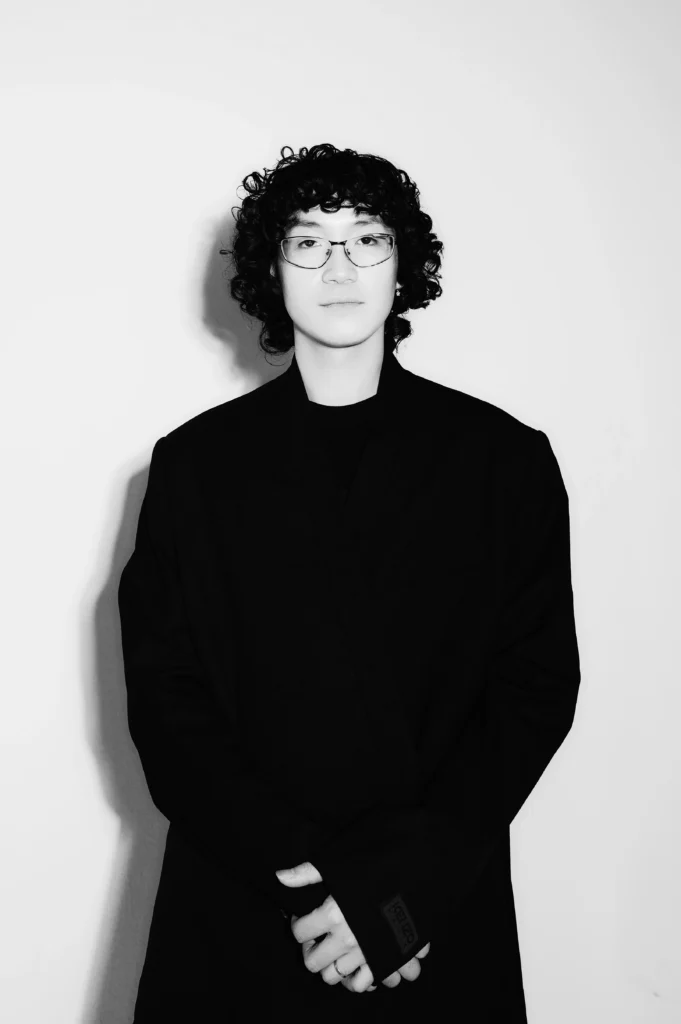
For Trung Bao, the human voice is not simply an instrument, but a fragile carrier of memory. Creativity, in his view, does not originate in tools or systems, but in presence and practice—something embodied before it ever becomes technological.
Born and raised in Hanoi, Trung Bao first emerged from Vietnam’s hip-hop and beatboxing scene, a culture he believes is frequently misunderstood. “Not many people realize how experimental beatboxing really is,” he says. “The essence of this culture is to push the limits of the human voice. It is a space where technique, invention, and physical boundaries are tested in real time, and where originality becomes a discipline you train for every day.” That discipline took him from street culture to international stages, including his win in the solo category at World Beatbox Camp in 2017.
What followed was not a clean break into another field, but a gradual widening of scope. Performance expanded into installations, sculpture, spatial design, and new media—without ever abandoning the body as the core site of meaning. Over time, that evolving definition sharpened around a recurring question: what happens to the voice once it leaves the body?
Voice carries memory and identity, but because it’s only sound, people rarely pay attention to it
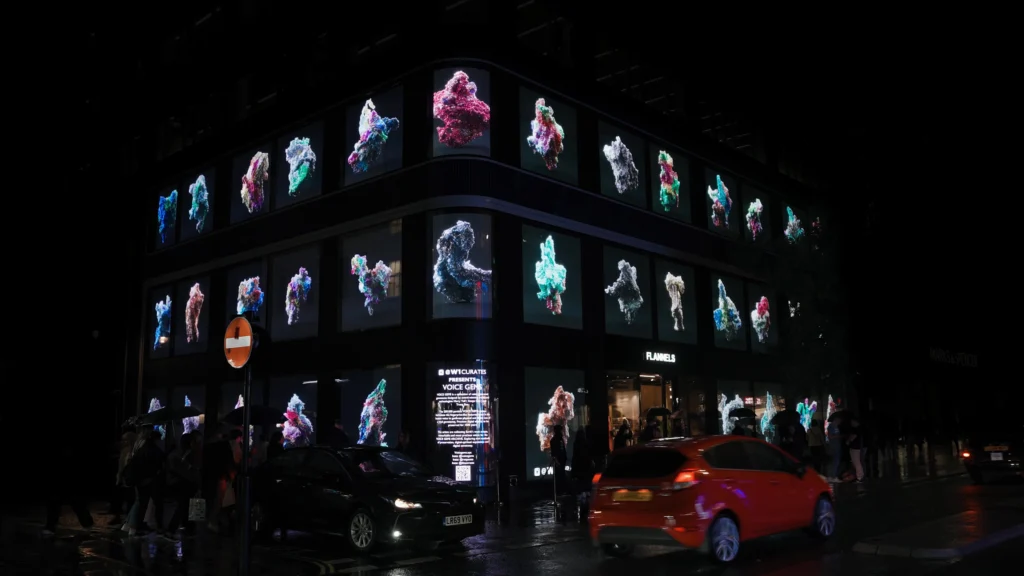
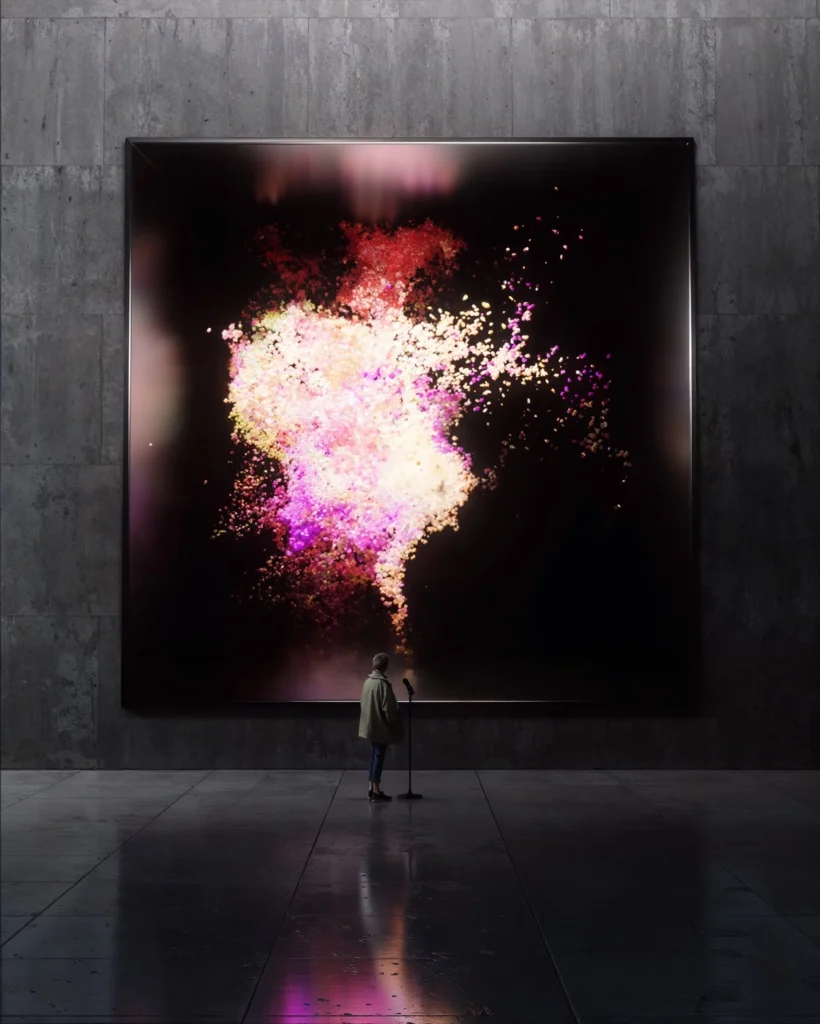
That question sits at the center of Voice Gems, a long-running collaborative project that translates human voices into digital and physical forms, and was recently awarded the Grand Prize at the inaugural EU–Vietnam Sustainable Design Awards for its human-centered, non-extractive approach to preserving identity and cultural memory through sound. “There are more than eight billion voices in the world, and every voice is unique,” Trung Bao explains. “Voice carries memory and identity, but because it’s only sound, people rarely pay attention to it.”
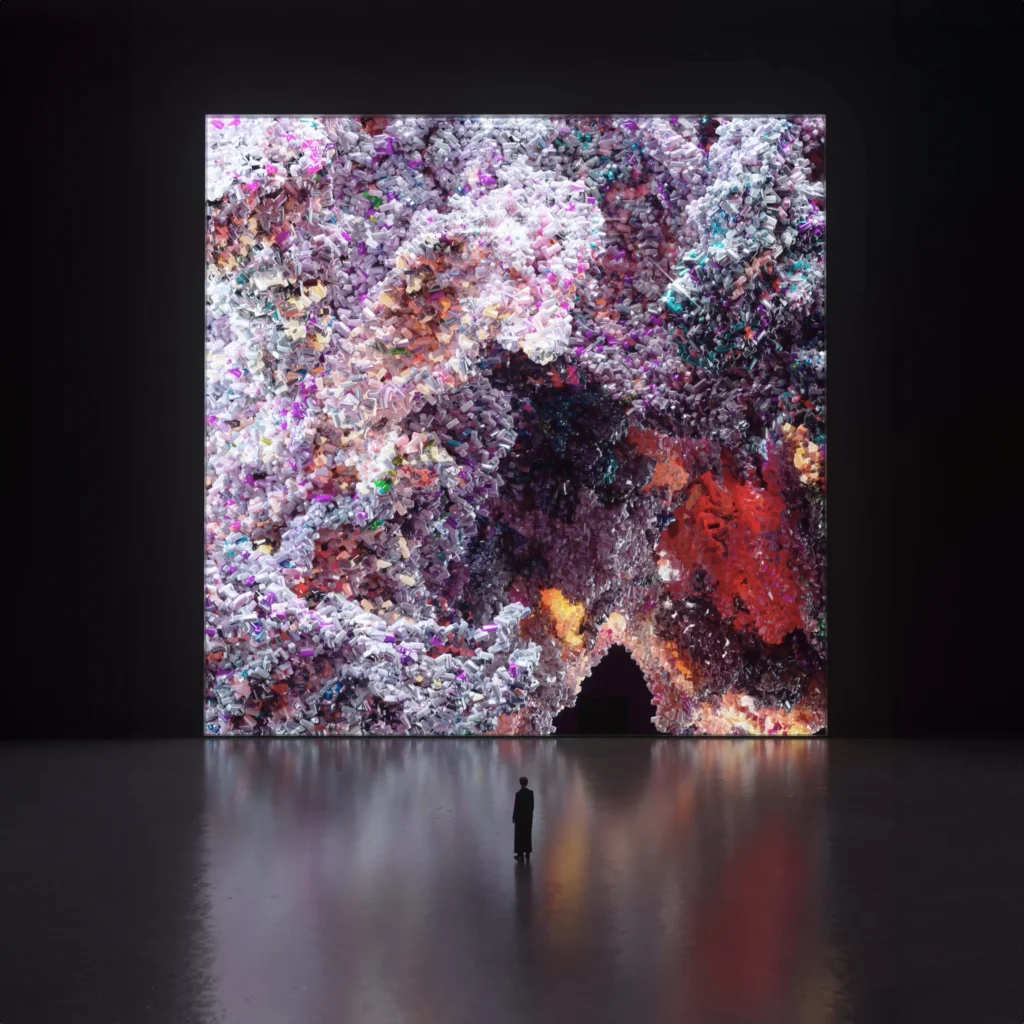
Using a generative system, Voice Gems turns the micro-details of a voice into one-of-one digital gemstones and physical sculptures. “The idea was to turn the voice into something you can see and touch,” he says, “so people can reconnect with their own voice as a presence, not just a sound.” As the project has evolved, it has expanded beyond human voices to include birds, robots, institutions, and even cities—probing how something ephemeral might be held without being flattened into data. “It is not about replacing nature with computation,” Trung Bao says. “It is about using computation with care, to keep something deeply human from disappearing.”
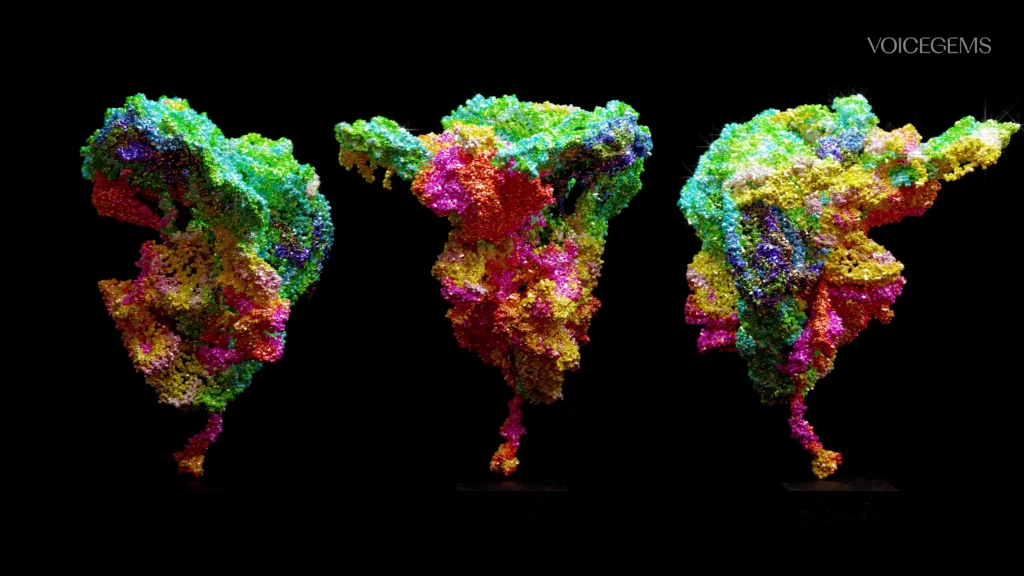
It is not about replacing nature with computation—it is about using computation with care, to keep something deeply human from disappearing
This grounding shapes how Trung Bao thinks about technology itself. He avoids both extremes—neither romanticizing the pre-digital nor embracing acceleration uncritically. “For me, ‘New Natural’ is not about escaping technology,” he explains. “It is about learning how to live with it responsibly, in a way that still protects sensitivity.”
That responsibility extends to culture and transmission. “Sound is especially fragile because it lives in bodies and moments,” he says. “If a voice technique, a dialect, a ceremonial song, or even a way of listening is not passed on, it can vanish within one lifetime.” Sustainability, then, is defined not as extraction, but as exchange.
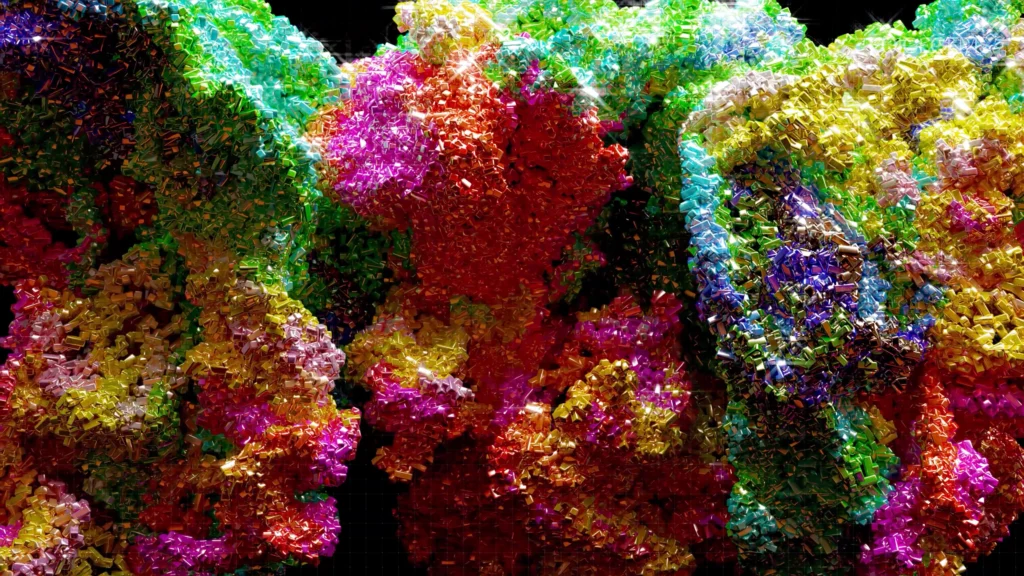
This philosophy also underpins his work as co-founder and creative director of Fustic.Studio, where immersive environments and public artworks are designed to rebuild shared perception rather than isolate attention.
Trung Bao often questions how artists came to be elevated above their communities. “I don’t know when artists became ‘superstars,’” he explains. “For most of human history, art and music existed to connect communities—rituals, gatherings, people coming together.” His aim is to close that distance, creating spaces where people can co-experience and co-create.
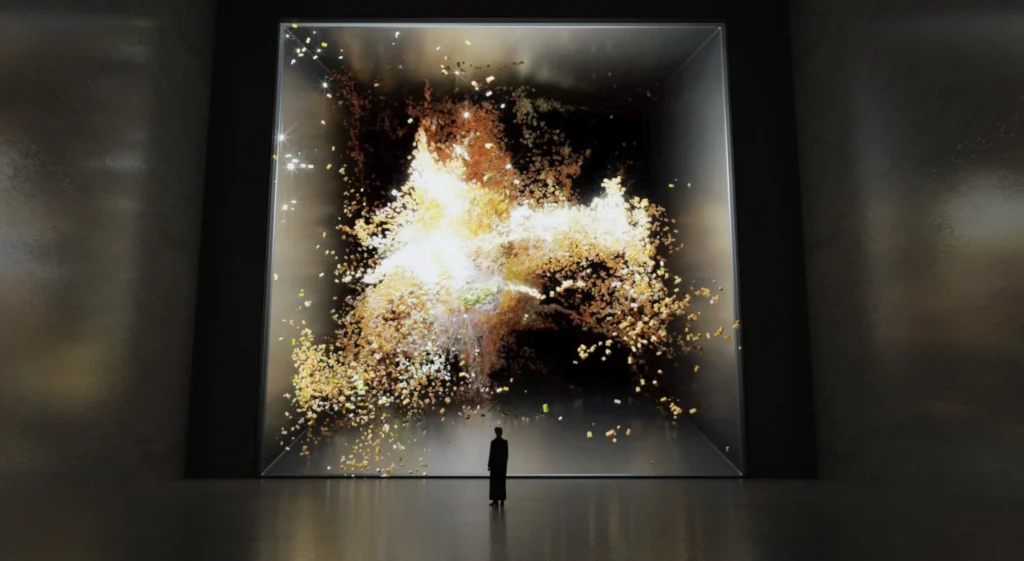
In a time when creativity is increasingly framed as content and attention as currency, Trung Bao’s work offers a slower alternative. Progress, he acknowledges, will continue to accelerate. But sensitivity does not automatically keep pace.
What remains essential is listening: to voices, to bodies, and to the fragile social spaces where creativity begins long before it ever becomes technology. As he puts it, “When you preserve a voice, you preserve a way of being human in a particular place and time.”