
Chloe Uyen Tran grew up along the coast of Đà Nẵng before making her way to New York, where she spent years in luxury fashion—until she couldn’t unsee what she was seeing. Every beautiful leather handbag, she knew, came at a cost measured in chemical runoff, toxic tanning agents, and an industry addicted to materials it had never truly interrogated. So she went back to the beginning. Today, as co-founder and CEO of TômTex, Tran is building a materials platform that transforms biological waste into high-performance textiles—starting with a leather alternative that contains no plastic, no petrochemicals, and no compromises.
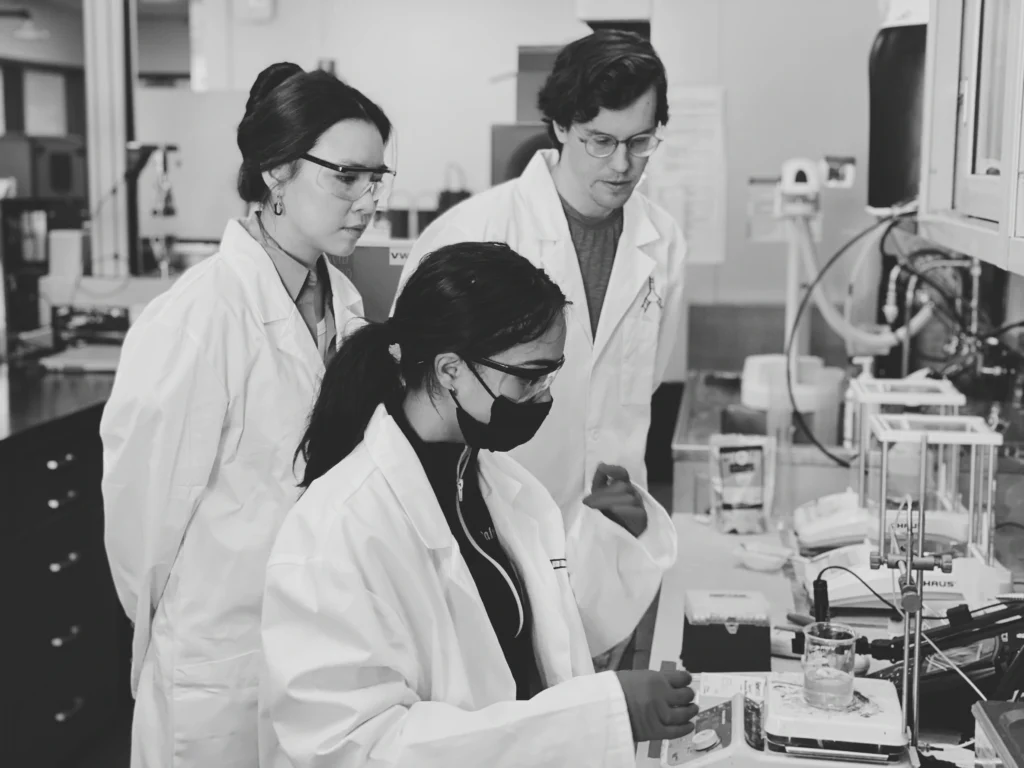
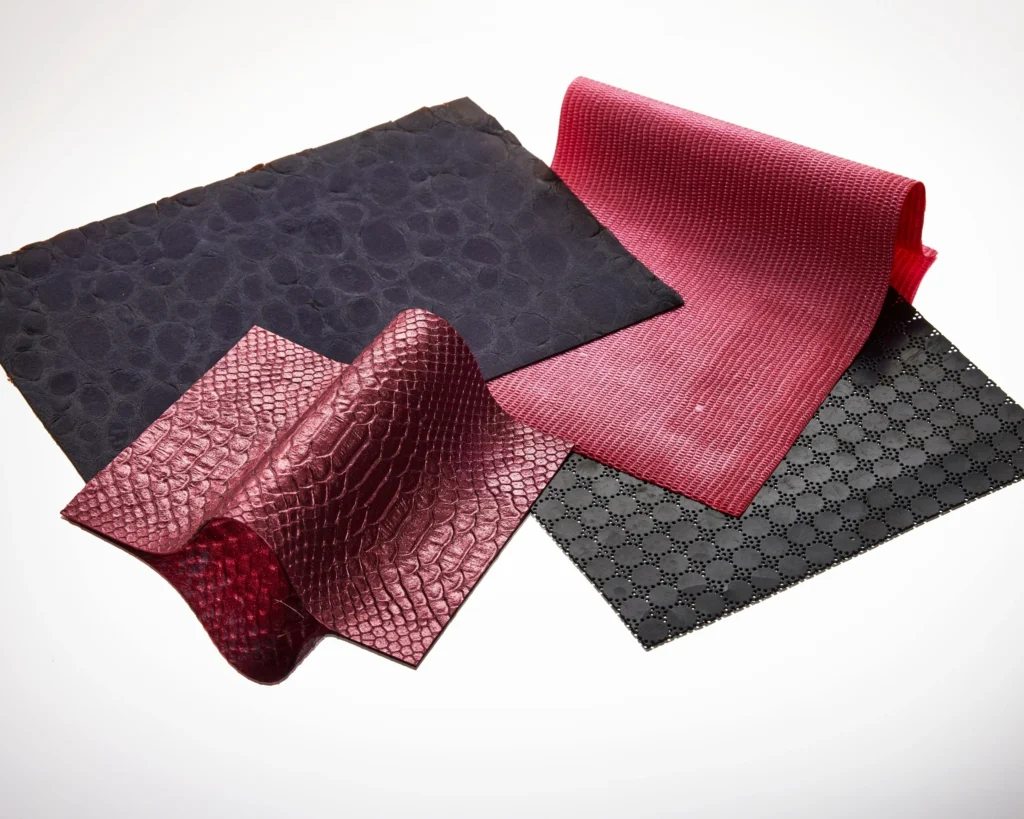
The market already has its share of “vegan leather,” and that’s precisely the problem. As Tran bluntly puts it, 95% of what gets marketed as “sustainable” is actually just plastic by another name—polyurethane and PVC which shed long-lasting microplastics into waterways. TômTex was built on a refusal to accept that trade-off. Using green chemistry to bond plant-based biopolymers, the material is 100% biobased: no synthetic binders, no toxic coatings—just natural, renewable inputs that breathe like natural skin and can safely return to the earth at the end of their life.

Born and raised in Danang, Vietnam, Tran has seen firsthand the impact of the environmental crisis. But her Vietnamese heritage also gives her what she describes as a cultural DNA of resourcefulness: a tradition of seeing waste not as something to discard, but as raw material waiting for a second life. Combined with New York’s design sensibility and the global fashion industry’s urgent need for real answers, that mindset became TômTex’s defining edge.
In honor of Earth Day, Esquire Vietnam sat down with Tran to talk about how she’s building the material of the future—and why she believes bio-materials shouldn’t be the alternative. They should simply be the standard.

Esquire Vietnam: TômTex is described as 100% biobased—what does that actually mean in terms of what goes into it?
UYEN TRAN: It means we don’t cheat by adding synthetic binders or plastic coatings. TômTex is made entirely from natural, renewable resources—plant-derived inputs and agricultural minerals. Because it’s fully biological, the material can safely return to the earth as a nutrient at the end of its life instead of sitting in a landfill for centuries.
There are already many “vegan leather” alternatives on the market—what is fundamentally different about your approach?
We took a completely different path by using green chemistry to bond plant-based biopolymers into a high-performance material without any toxic petrochemicals. We’re not just making a plastic substitute; we’re creating a whole new category of material that’s as healthy for the person wearing it as it is for the planet.

Can you walk us through how the material is actually made—from raw input to finished textile?
We start by taking raw plant-based waste and refining it into a liquid bio-solution. We then mix in natural pigments and cast it onto release paper to get the specific texture or “grain” we want. It’s a “bottom-up” process that skips the heavy chemical tanning of traditional leather, using significantly less energy and water to get to a finished, luxury-grade textile.
You emphasize the complete absence of polyurethane and petrochemicals. Why is that distinction so important?
Plastics are “forever chemicals,” and once they’re in the supply chain, they’re almost impossible to get out. By keeping our process 100% plastic-free, we ensure that factory workers aren’t breathing in toxic fumes and consumers aren’t wearing petroleum. Beyond the health factor, skipping synthetics gives our material a much more natural, high-end feel that doesn’t peel or crack the way cheap plastic “leather” does.

How do you balance sustainability with the real-world expectations of fashion brands—durability, texture, scalability?
We don’t think sustainability should be a sacrifice, so we’ve designed TômTex to be “plug-and-play” with existing manufacturing machinery. This means we can achieve the same durability and texture that brands expect, but at a commercial scale. We treat performance as a core requirement—if it doesn’t last or look beautiful, it doesn’t matter how “green” it is.
We treat performance as a core requirement—if it doesn’t last or look beautiful, it doesn’t matter how “green” it is
Where are you seeing the most interest right now—from designers, manufacturers, or consumers?
It’s really a mix of three groups: designers who are under pressure to ditch plastic, manufacturers who want to clean up their operations, and consumers who are tired of being “greenwashed.” We’re seeing a lot of movement from the high-end fashion and automotive sectors because they’re looking for materials that actually tell a story of innovation rather than just being a “less bad” version of something else.
What has been the biggest challenge in bringing a new material like this to market?
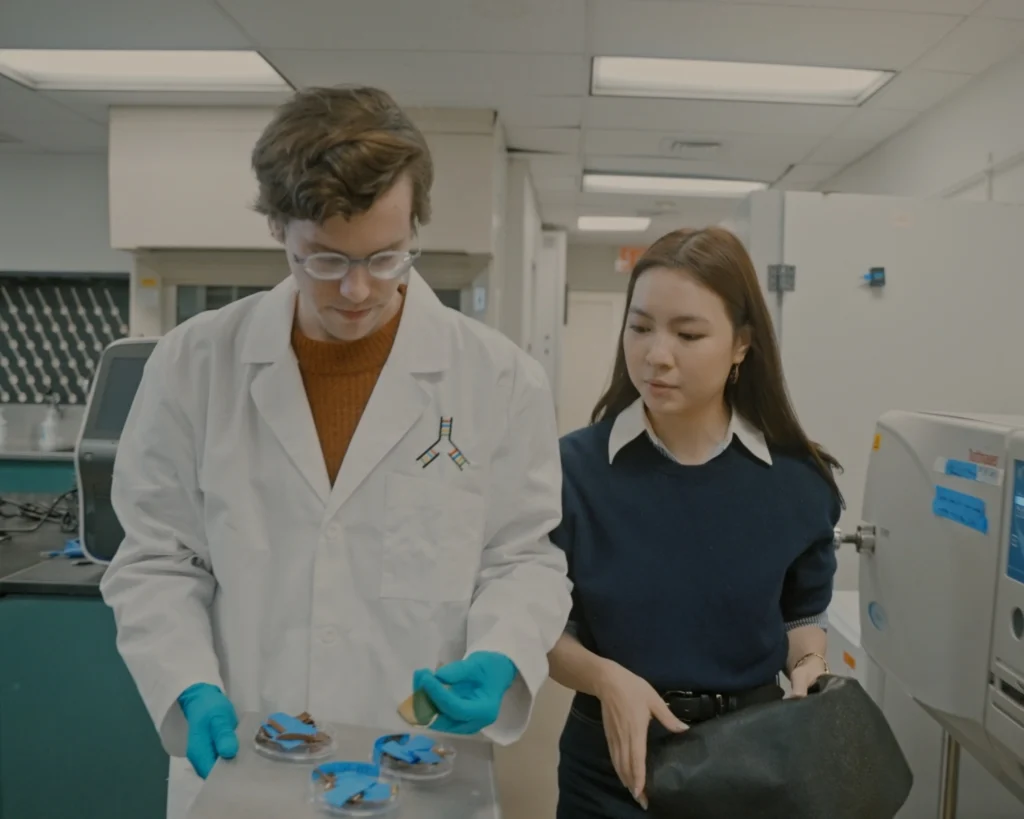
The toughest part is what people call the “valley of death”—taking a brilliant idea from a small lab and scaling it up to produce thousands of yards consistently. We’re competing against a plastic industry that has had a 100-year head start in making things cheap and fast. Shifting that deeply ingrained infrastructure takes a lot of time, grit, and the right manufacturing partners who are willing to innovate with us.
Looking ahead, what would “success” look like for TômTex in the next five years?
In five years, I want TômTex to be a standard material you see everywhere—from your favorite pair of shoes to the interior of your car. I want to prove that we can run a global, profitable business that actually leaves the planet better than we found it. Ultimately, success means bio-materials are no longer the “alternative” but are simply the new standard for how things are made.