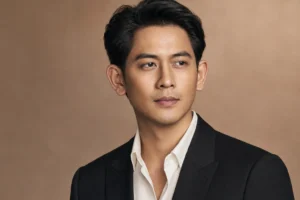
The first time I met Taylor Buser, I was shocked not only by his Vietnamese but by his definitively Southern Vietnamese accent. Few foreigners learn enough Vietnamese to order a meal or navigate daily life. Far fewer speak with the ease, humor, and natural rhythm of someone who learned the language sitting on the street versus in a classroom.
In many ways, that’s exactly what happened: the American-born Taylor Buser first arrived in Vietnam in 2012 after a period of backpacking through India, intending to stay only for a brief stint. Instead, Buser spent the next five years traveling throughout the countryside, learning the language through immersive trial-and-error, riding thousands of kilometers by motorbike, and gradually developing a much deeper relationship with Vietnam than he had imagined.
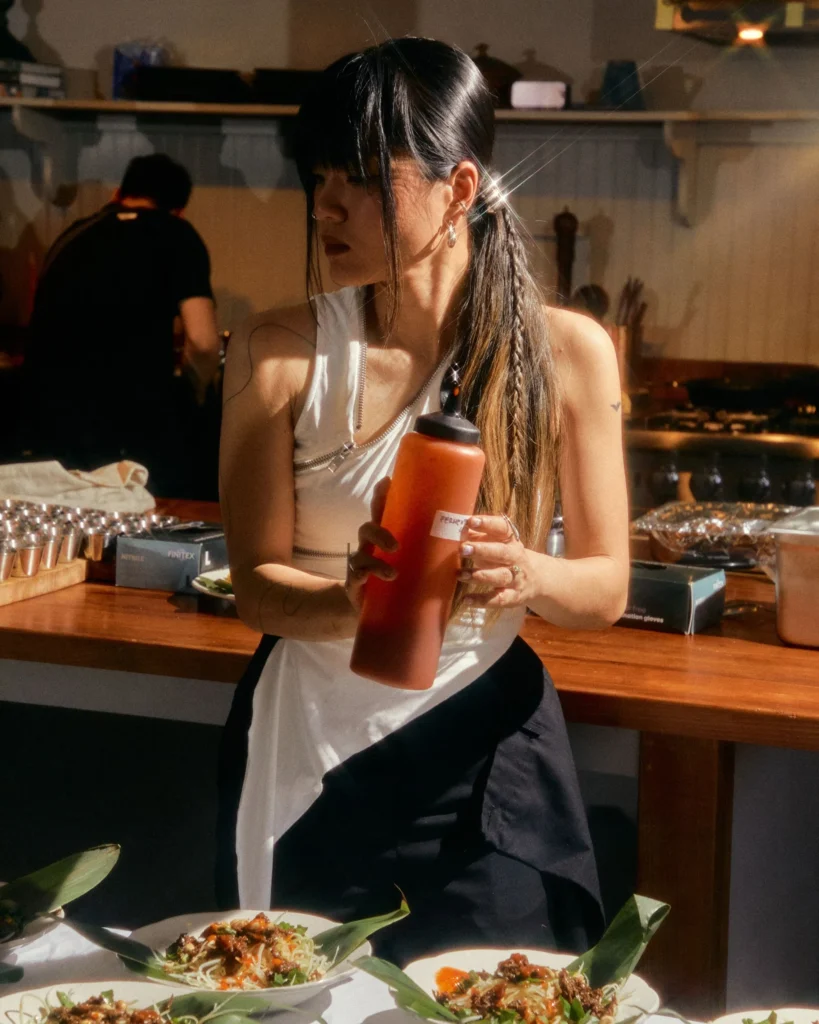
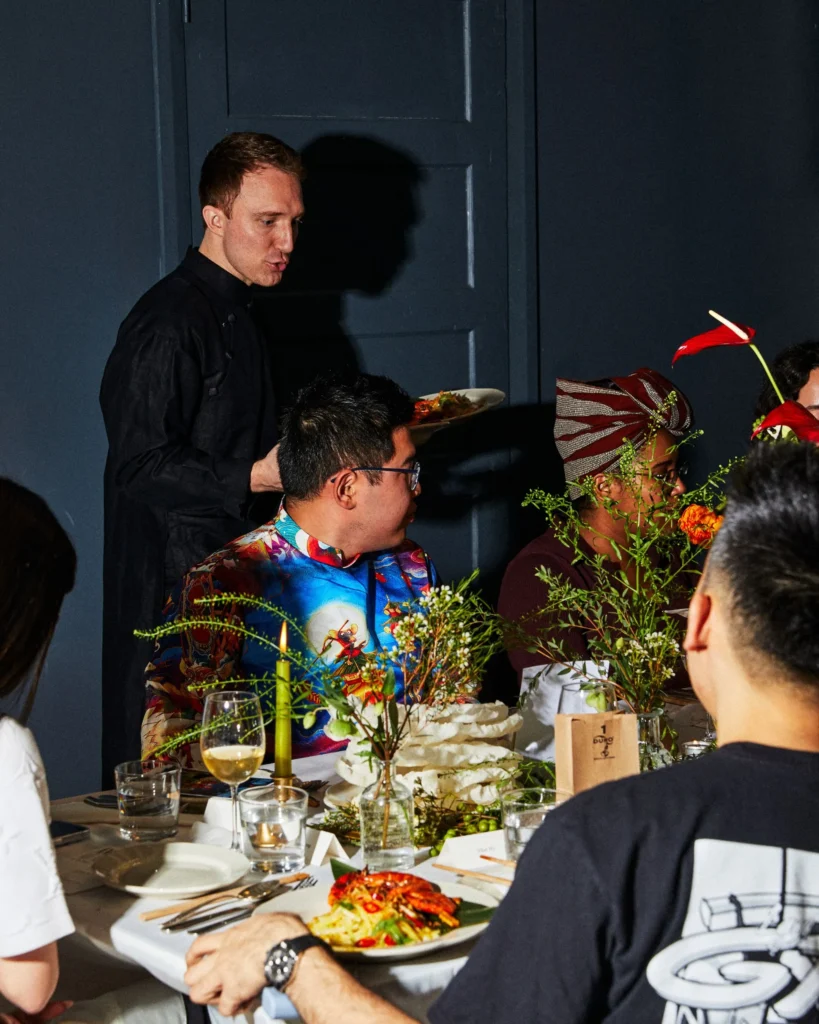
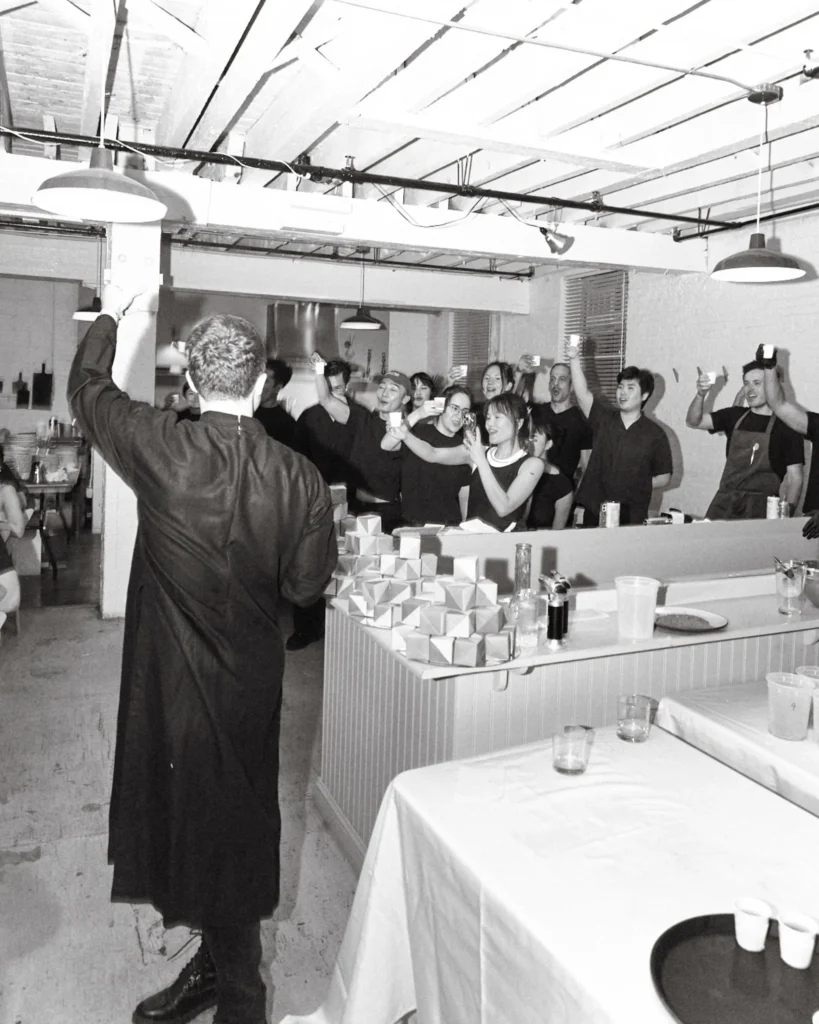
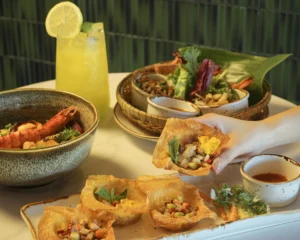
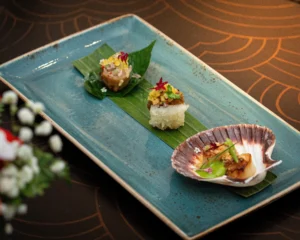
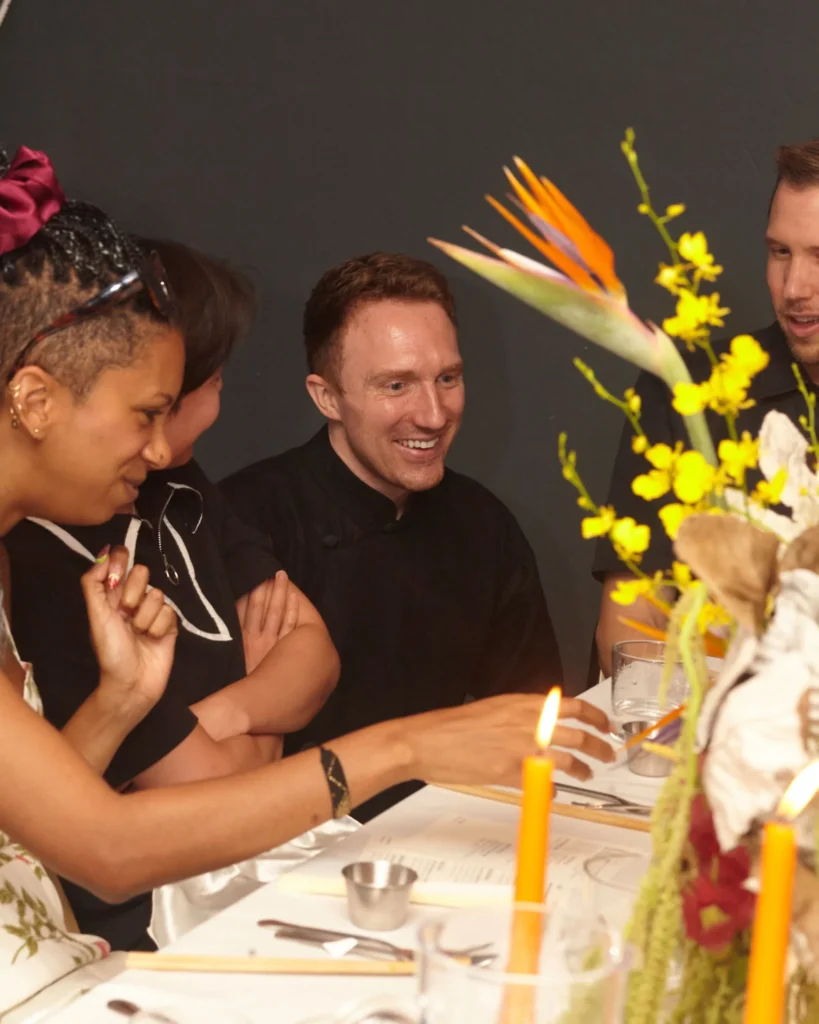
Indeed, Vietnam ultimately gave Buser much more than a second home. It was where he met his future wife, Thư Phạm Buser—then a television producer and now one of New York’s most respected food stylists. Together, the couple have built Ăn Cỗ, the ambitious banquet series that introduces diners to the breadth and regional diversity of Vietnamese cuisine through communal dining experiences inspired by the quintessentially Vietnamese traditions of gathering, celebration, and hospitality.
While Thư serves as the culinary visionary behind the project, Taylor takes on the work of operator, host, translator, storyteller, and logistical engine that allows the entire experience to function. That journey has proved fruitful: when we catch up with Taylor, he’s just put in his notice at his full-time consulting gig to chase a new career helping audiences understand the culture that changed his life.
Esquire Vietnam: Let’s start at the beginning. What first brought you to Vietnam?
TAYLOR BUSER: I was traveling through India after college and trying to experience something completely different from the environment I grew up in. I’d worked for a while, saved up some money, and decided I wanted to spend six months wandering around India without much of a plan. The entire point was exploration. I wasn’t trying to build a career or move somewhere permanently. I was simply trying to see more of the world.
When my visa started running out, I posted online asking if anybody in Asia wanted to hang out. A friend I’d met while studying abroad replied and said, “I’m living in Vietnam right now. It’s incredible. You should come.” A few days later, I bought a one-way ticket. I remember stepping off the plane and immediately feeling like I had arrived somewhere completely different. Even the drive from the airport was overwhelming in the best possible way. There was food everywhere. You could drive a kilometer and pass hundreds of places to eat.
For my first meal, my friend took me for mì gà, and I remember thinking, “This is considered an ordinary breakfast?” That sense of discovery stayed with me throughout the first few weeks as I traveled around southern, central, and northern Vietnam.
What made you stay?
The original plan was to stay for a year. Then that year became two years, and eventually I stopped thinking about Vietnam as a temporary stop and started thinking about it as home. The more time I spent there, the more I realized how much there was still left to learn. Every region felt different. The food was different. The dialects were different. Even daily life felt different depending on where you were.
One of the experiences that really changed my relationship with the country was a six-month motorcycle trip through Vietnam with a couple of friends. We covered roughly 5,000 kilometers, mostly through smaller towns and rural areas. Spending that much time outside the major cities gave me a much deeper appreciation for the diversity of the country. By the time I finished that trip, I wasn’t really asking whether I liked Vietnam anymore. I was asking whether I could imagine building a future there. Around that same period, I met Thư, which ended up answering the question for me.
How did the two of you meet?
I always say we met in a bar, which is technically true, although it sounds a lot more romantic than it actually was. At the time, Thư was producing a documentary series that focused on building bridges in rural communities throughout the Mekong Delta. They were looking for a host who could speak Vietnamese, and several mutual friends suggested my name.
She arranged a meeting, and I remember walking into the bar and seeing her across the room. My immediate thought was, “Please let that be her.” Then we sat down, and what followed felt much more like an interview than anything resembling a date. She was asking detailed questions about my background, my experience in Vietnam, and especially my Vietnamese. Eventually she looked at me and said, “Okay, if you really speak Vietnamese, let’s hear it.” I started speaking, and her reaction was basically disbelief. She genuinely didn’t expect me to be able to hold a conversation.
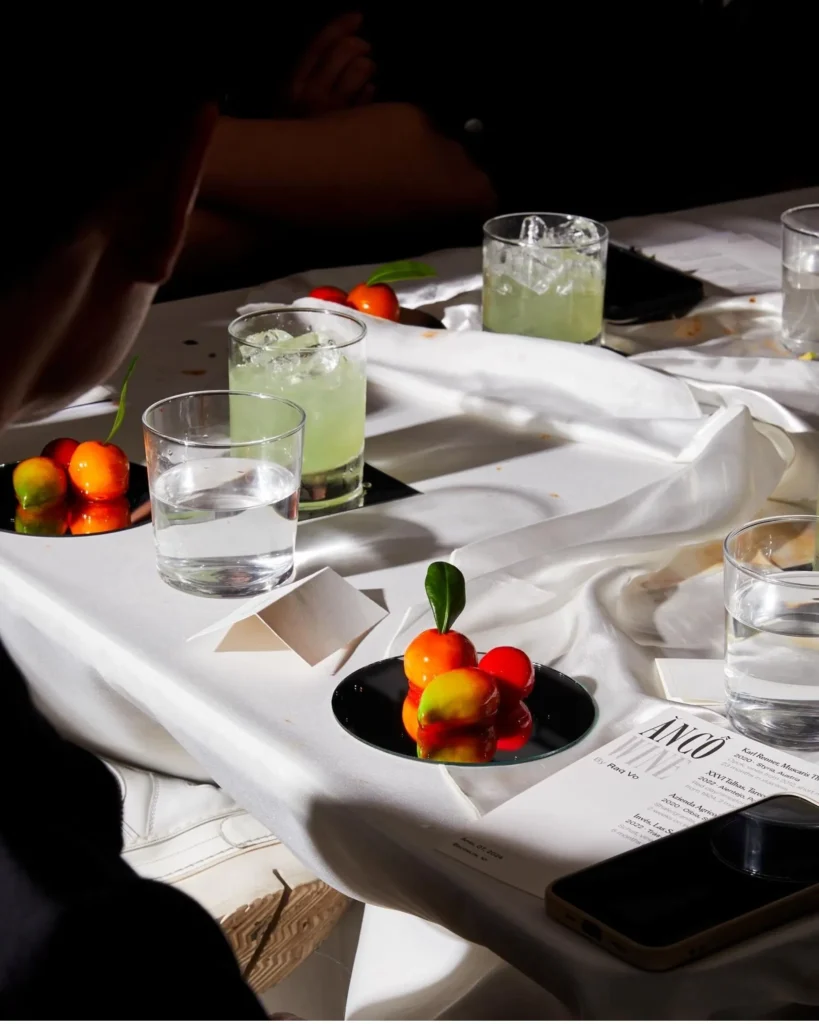
Did you get the job?
No, which remains one of my favorite parts of the story. Thư decided I probably wouldn’t be able to handle the countryside. The irony, of course, was that I had literally just spent months riding around rural Vietnam on a motorbike and sleeping on bamboo mats. Looking back, it’s even funnier because she was very much a city girl at the time while I was wandering around remote villages.
Fortunately, not getting the job worked out pretty well. About a week later, I asked her out. We got engaged within a year, traveled extensively throughout Asia together, got married in Vietnam and then again in the United States, and eventually moved to Spain. What started as a failed casting meeting ended up becoming the most important relationship in my life.
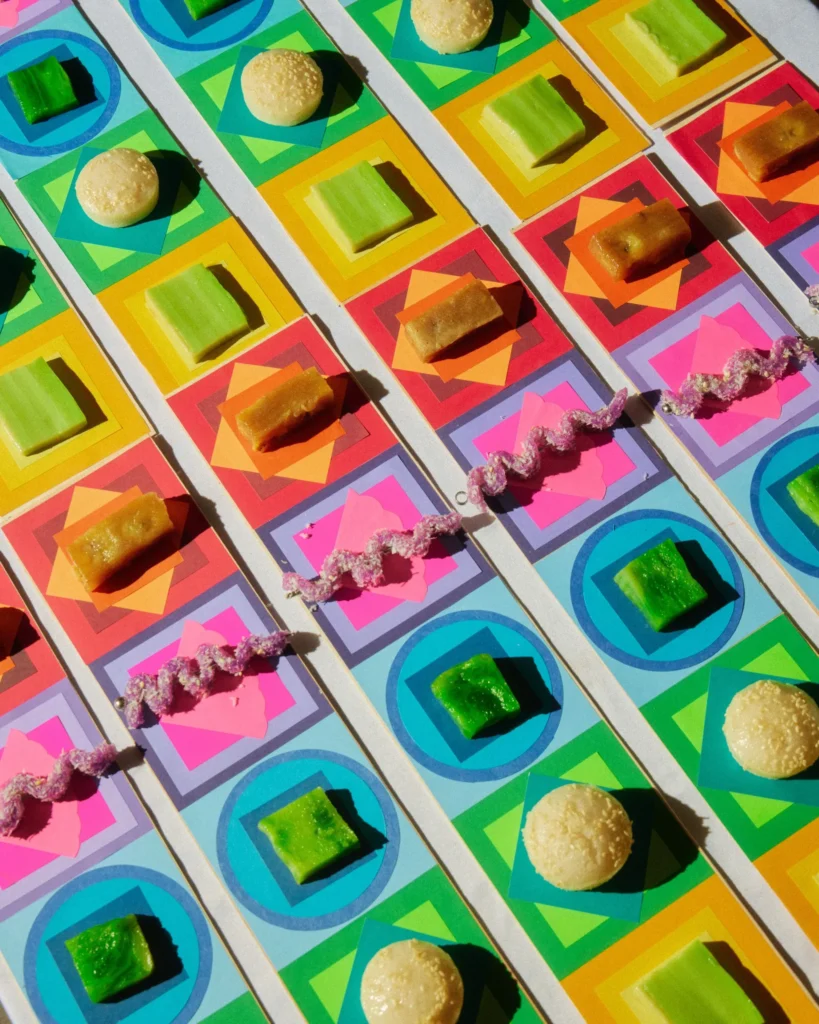
Your Vietnamese is unusually good (and it’s southern Vietnamese with the twang!). How did you learn it?
A lot of it came down to accepting that I was going to be embarrassed. Very early on, I made a conscious decision that I was going to sound ridiculous for at least a year and simply accept it. People were going to laugh at me. They were going to correct me. I was going to make mistakes constantly. Instead of avoiding those moments, I decided to embrace them.
I carried a notebook everywhere and asked questions nonstop. Whenever I encountered a word I didn’t know, I wrote it down. If I was eating somewhere, I asked about ingredients. If I was shopping, I asked about objects around me. The advantage of learning that way was that every word had an immediate purpose. I wasn’t memorizing vocabulary from a textbook. I was learning language that I was actively using in my own life. Over time, those conversations accumulated into fluency.
What has speaking Vietnamese allowed you to understand about Vietnam?
I think it changed everything. Someone once told me to imagine a person trying to explain American culture without speaking English, reading American books, watching American television, or talking to Americans in English. The reality is that their understanding would always be limited because language isn’t simply a tool for communication. It’s also a tool for understanding how people think.
The same thing is true in Vietnam. Humor exists inside language. Relationships exist inside language. Philosophy exists inside language. Even food exists inside language. If you don’t speak the language, you’re always observing from the outside. Learning Vietnamese gave me access to friendships, experiences, jokes, emotions, and ideas that I never would have encountered otherwise. It remains one of the best decisions I’ve ever made.
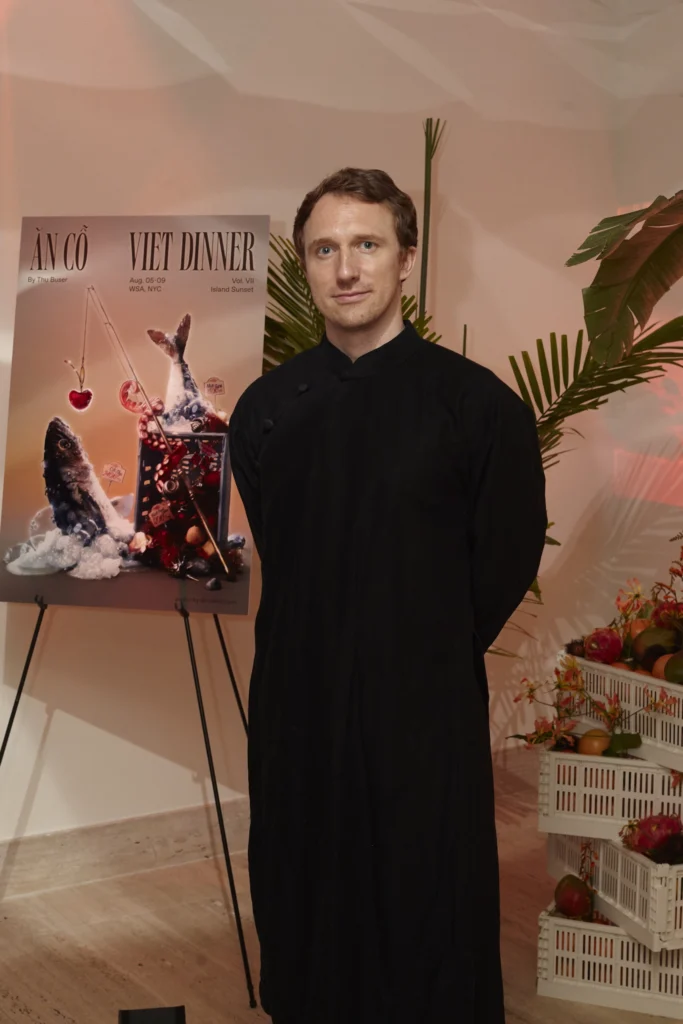
How did Ăn Cỗ begin?
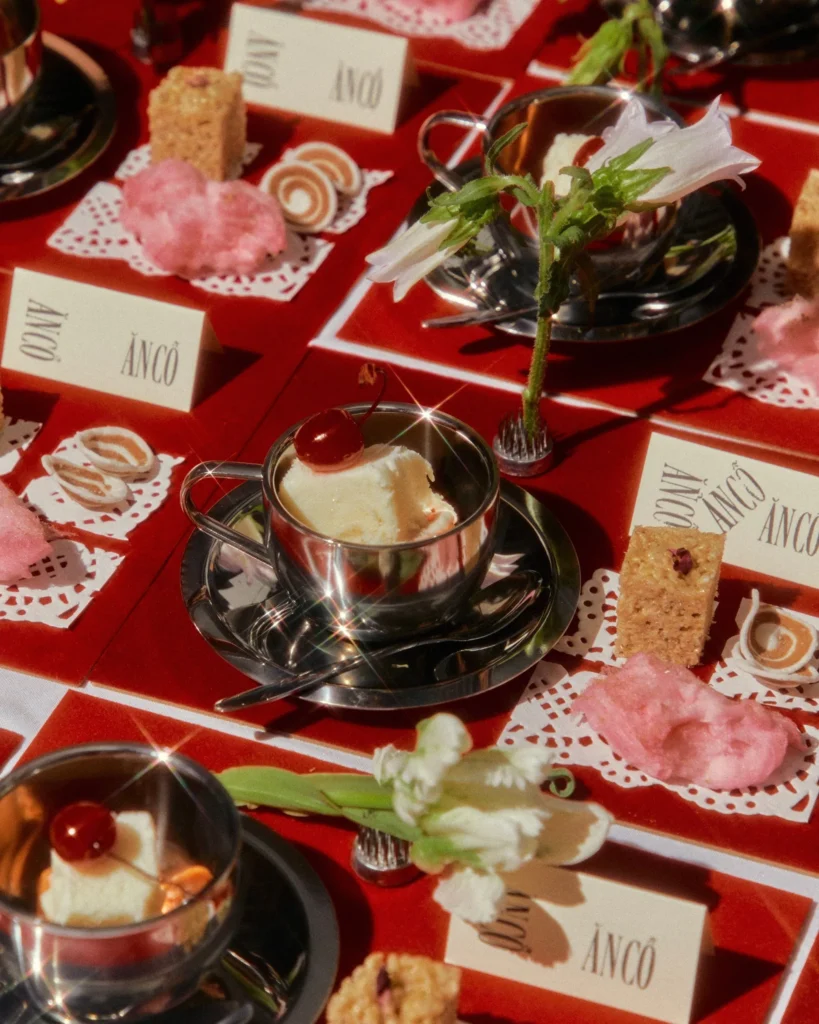
The earliest version of Ăn Cỗ was really just dinner with friends. We had built a community of Vietnamese people and people who loved Vietnamese culture in New York, and Thư would cook these incredibly elaborate meals whenever people came over. Five courses. Six courses. Sometimes even more. At the time, we weren’t thinking about creating a business. We were simply hosting.
Looking back, though, we were already experimenting with many of the ideas that would later become Ăn Cỗ. We were thinking about hospitality, storytelling, music, atmosphere, and the emotional experience of sharing food. The more we hosted, the more we realized that people weren’t only coming for dinner. They were coming for a feeling. Eventually, Thư reached a point where she realized she wanted to make food for people again, not just for the camera, and that became the foundation for everything that followed.
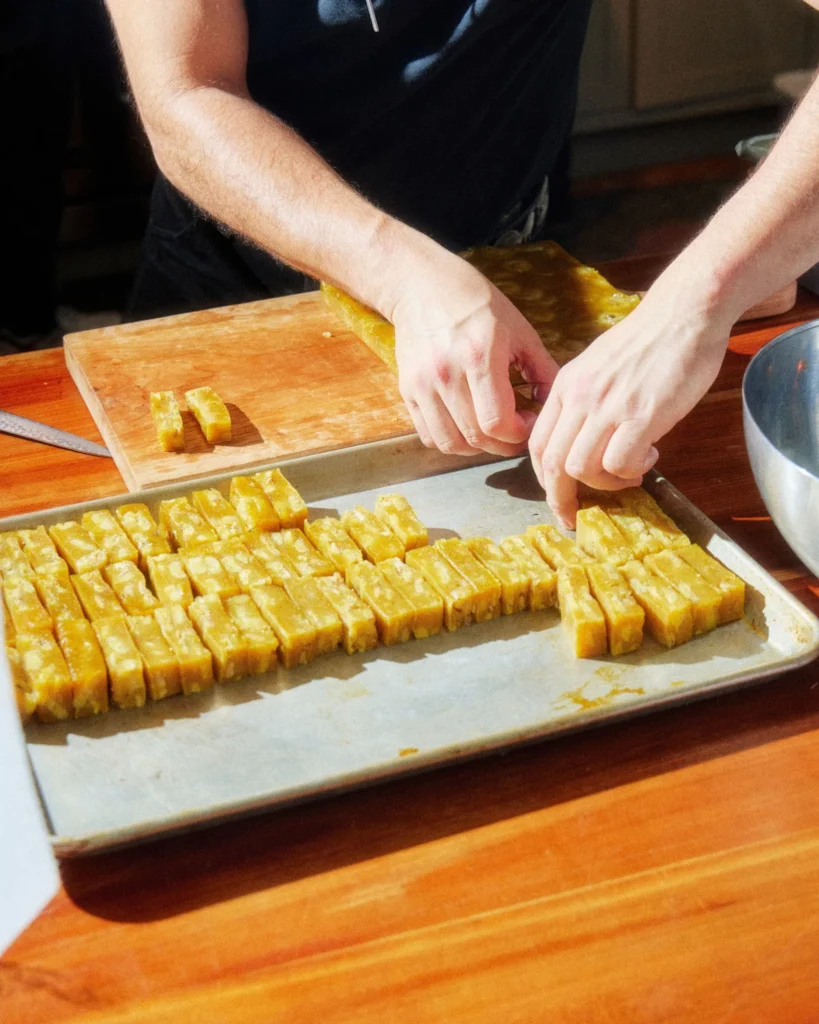
What role do you play within Ăn Cỗ today?
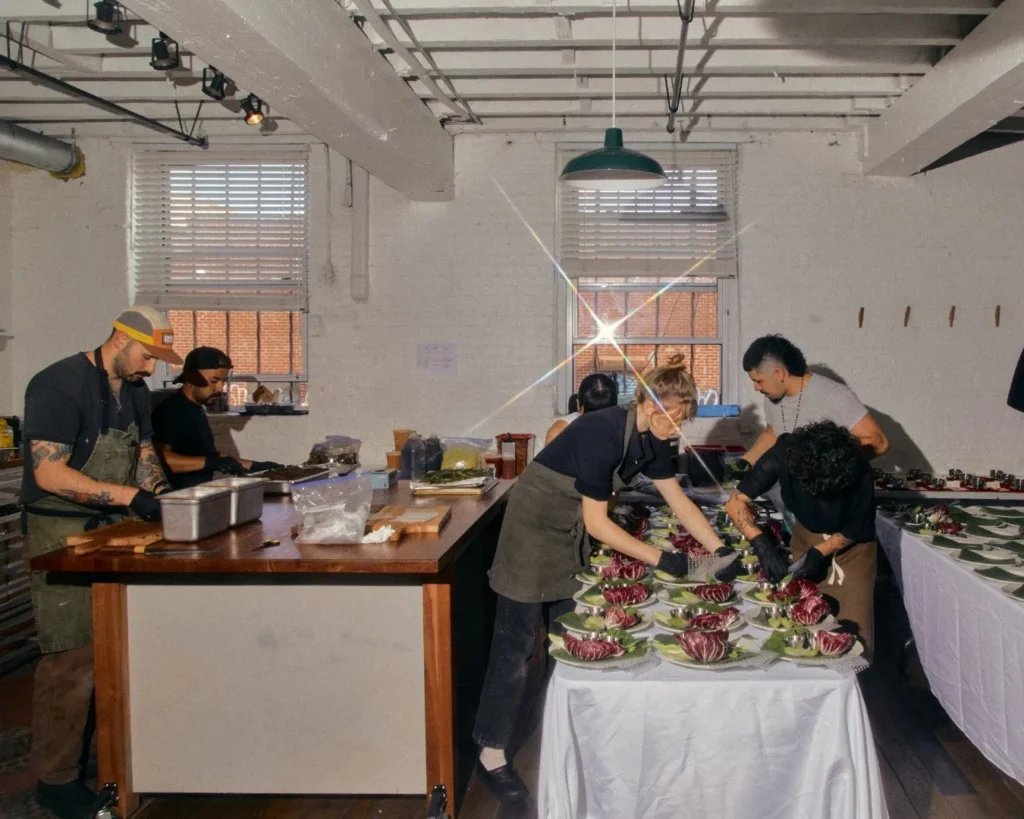
The easiest way to explain it is that Thư owns the food and the vision. My role is making sure she can focus on those things. Every hour she spends worrying about staffing, logistics, equipment, sponsorships, or operations is an hour she isn’t spending on the food itself. So I try to absorb as much of that responsibility as possible.
That means handling staffing, training, venue coordination, procurement, logistics, and guest experience. It also means hosting the dinners in both Vietnamese and English. Part of that role is practical, but part of it is cultural. I want guests to understand not only what they’re eating but why they’re eating it. The stories behind the dishes are often just as important as the dishes themselves, and helping tell those stories has become one of the most rewarding parts of the experience for me.
What do you hope people take away from Ăn Cỗ?
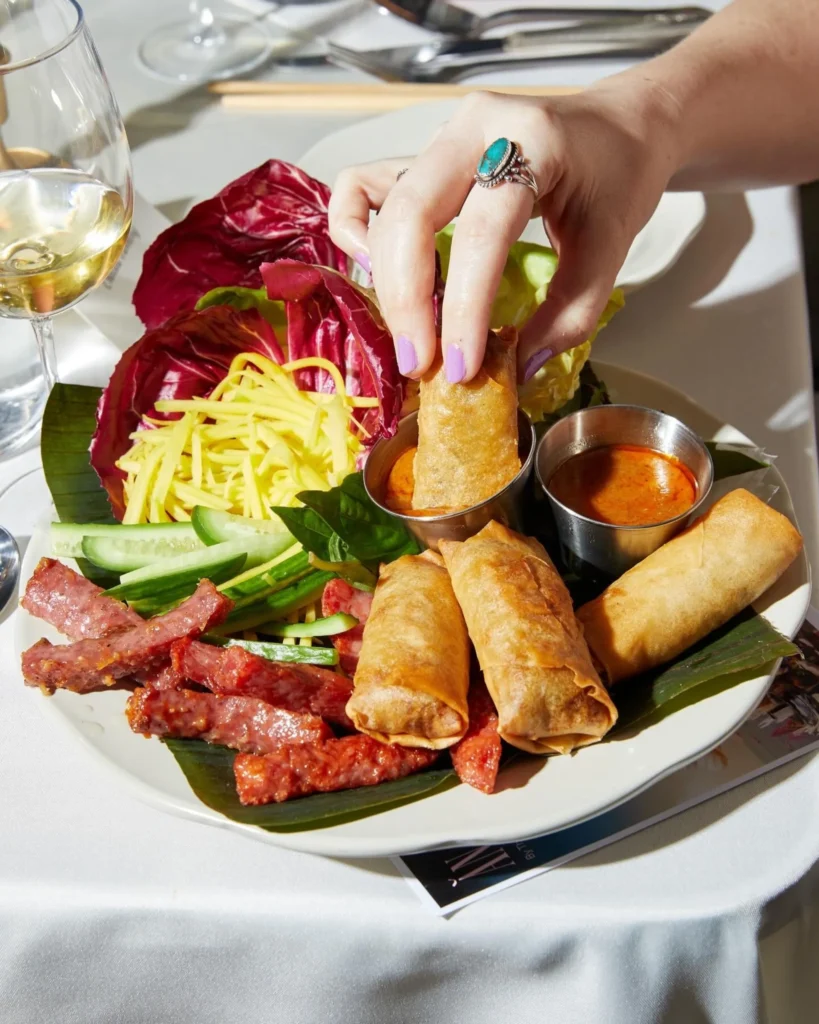
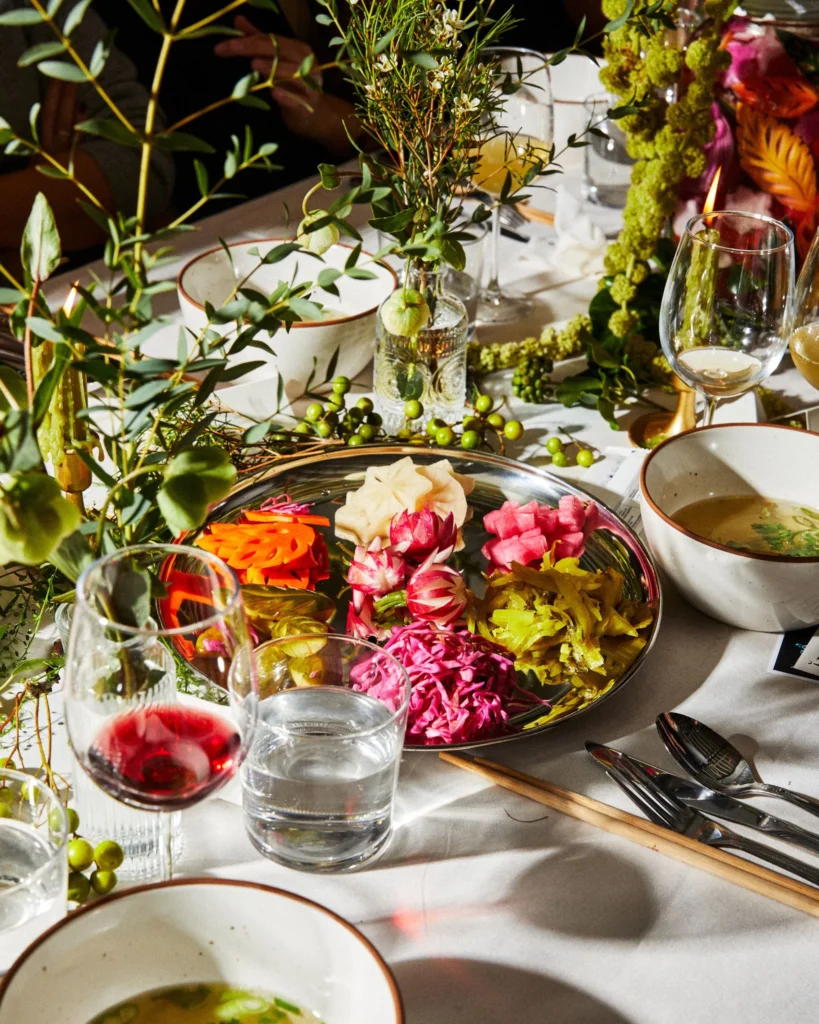
I hope they leave with a broader understanding of Vietnam. Many guests arrive with a relatively limited understanding of Vietnamese food. They know phở. They know bánh mì. Maybe they know a few other dishes. What they often don’t realize is how diverse the country is and how dramatically the food changes from region to region.
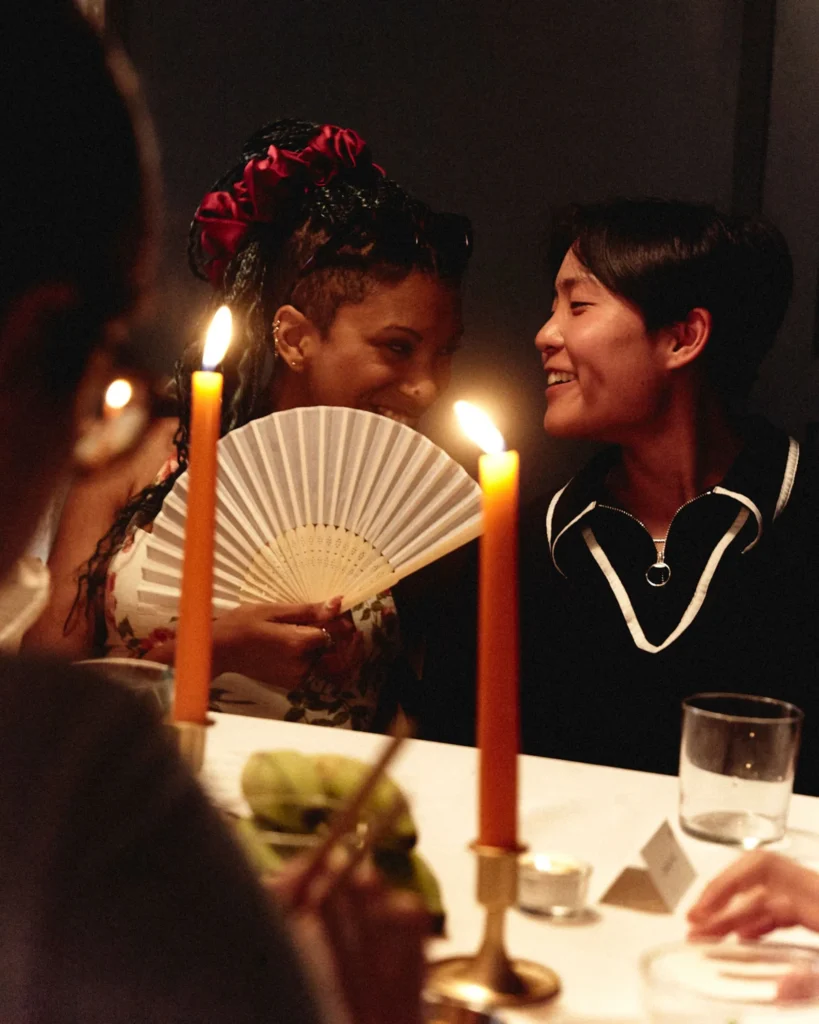
I also hope they experience a form of hospitality that feels distinctly Vietnamese. One of the things I fell in love with when I first arrived was the feeling that people genuinely wanted to take care of you. They wanted to make sure you had enough food, enough drink, and enough company. There was an incredible generosity built into everyday life. If people leave Ăn Cỗ feeling cared for and curious to learn more about Vietnam, then we’ve accomplished what we set out to do.
What’s next for you and Thư?
We’re going all in. I recently put in my notice at my consulting job because we’ve reached a point where we want to devote ourselves fully to building this together. For years, we’ve balanced multiple careers while growing Ăn Cỗ on the side. Now we’re excited to see what happens when it becomes our primary focus.
What’s funny is that despite all the growth, the core dynamic hasn’t changed very much. Thư still creates the vision. I still help make it possible. That’s the partnership we’ve built our life around, and it’s the thing I’m most proud of. At the end of the day, Ăn Cỗ may be about food, but for us it’s also about building something together.