There is something painfully revealing about modern society when people see a striking piece of filmmaking and decide that the one thing it really needs…is their face.
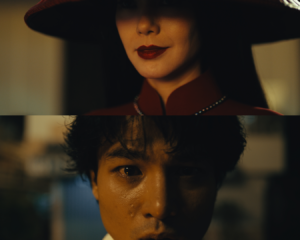
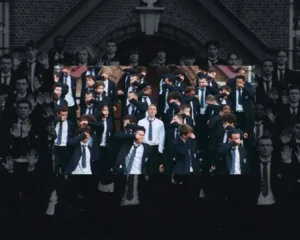
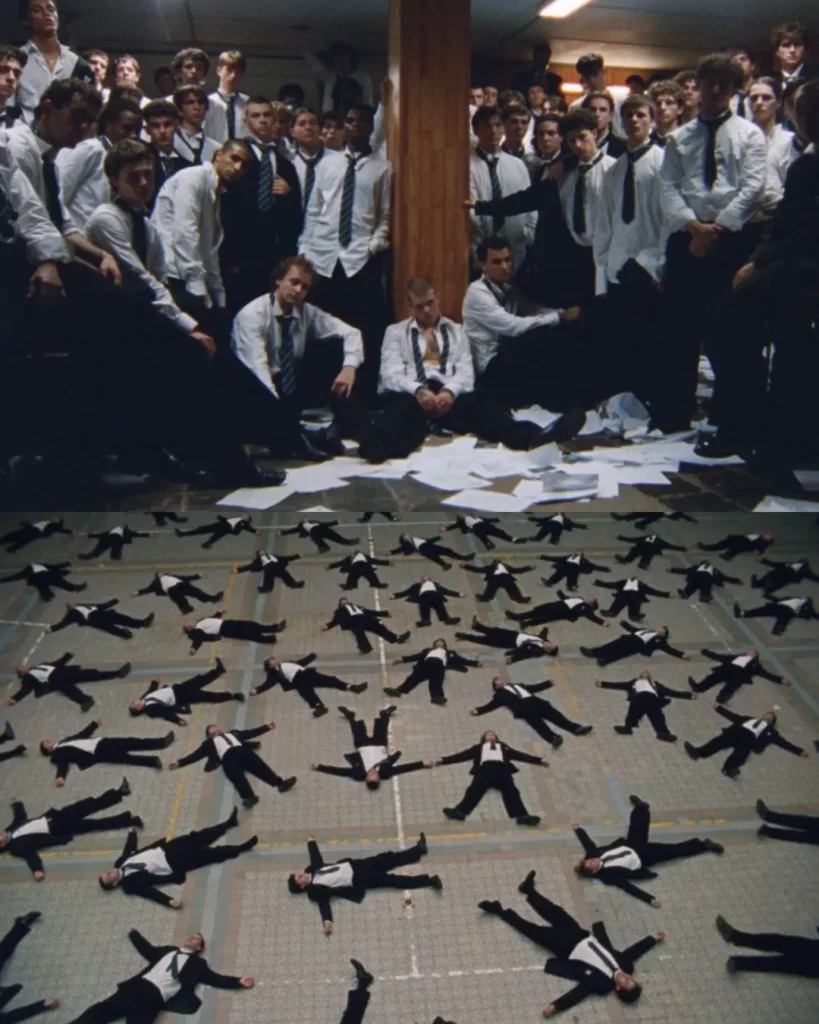
That is the appeal of the AI recreations of GENER8ION’s “STORM,” starring Yung Lean. Directed by Romain Gavras and choreographed by Damien Jalet, the video is set in a dystopian boarding school, channelling adolescent aggression and the desire to belong through intimidation and collective frenzy. Its extraordinarily synchronized group choreography makes conformity look both seductive and terrifying. There is plenty to consider beyond how we might look in it.
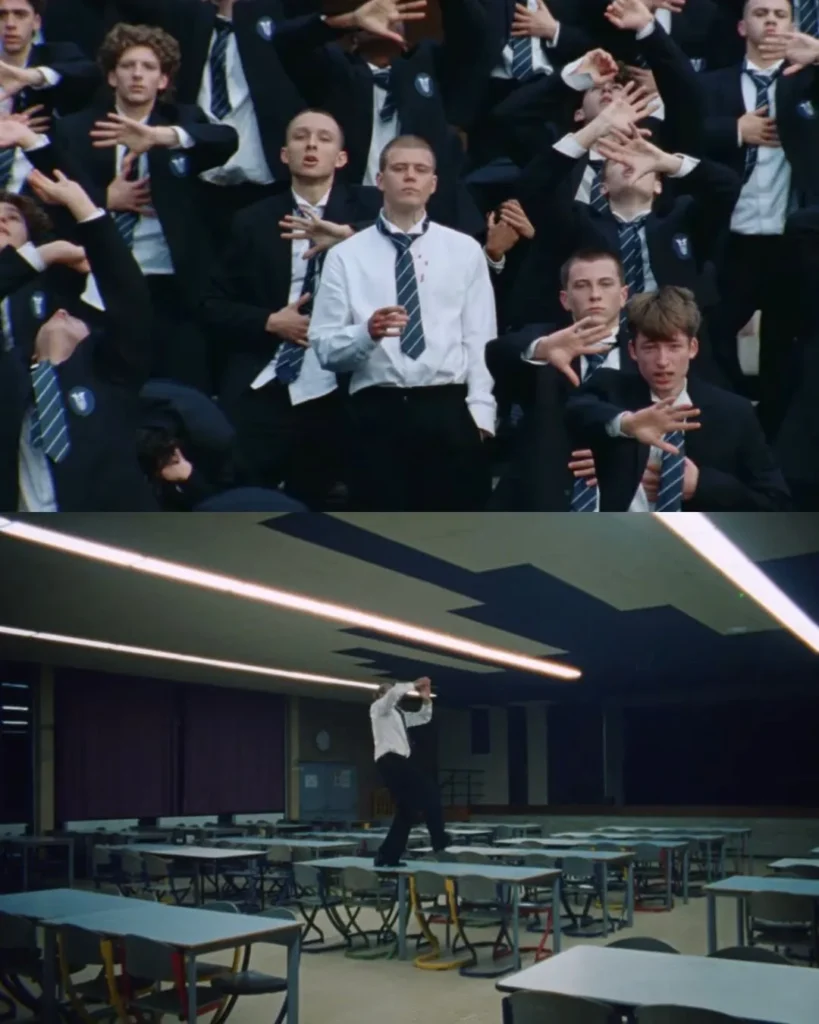
In the last month, however, a viral trend has turned this mesmerizing sequence into a backdrop for automated self-insertion—with apps like Higgsfield enabling character replacements and Pauk AI offering a ready-made template. Upload a photograph and occupy the centre of the scene. Contemporary vanity has acquired a remarkably efficient production process.
In Vietnamese, sống ảo feels particularly apt: cultivating an impressive online self, now with even less obligation to do anything worth showing.
We’re not saying AI can’t be used creatively. Indeed. AI is already being used to make original art. The criticism here concerns using it to reproduce a specific creative work, insert yourself and borrow its creators’ credibility. Beyond Gavras and Jalet, an extensive team shaped the film’s performances, photography, production design, styling and editing. Their decisions give the recreations their appeal. Personalising the surface turns someone else’s artistic achievement into an accessory for your personal brand.
The trend captures a dispiriting shift in what counts as participation. Doing a viral dance requires practice; recreating a scene demands timing and a willingness to look ridiculous. The selfie template lets you skip directly to the public evidence of involvement. Being seen to participate becomes more important than the experience of participating itself.
It also reflects a habit of treating culture as raw material for personal branding. A film becomes valuable for what association with it says about you. Admiration turns into a transaction: the artwork supplies credibility, your account collects attention. There is barely time to engage with something before deciding how to use it. They say imitation is the greatest flattery, but this is so much cheaper than that.
The same logic makes taste increasingly cautious. Choosing an image already widely admired offers the reassurance of prior approval. Why risk an unfamiliar reference or an awkward experiment when a template guarantees recognition? A feed can fill with declarations of individuality while narrowing the range of things anyone is willing to try.
“STORM” gives the trend its most ironic punchline. A video that makes conformity look terrifying has become a template for people trying to stand out. Everyone follows the same instructions, reproduces the same image and waits to be recognised as distinctive. They could hardly have illustrated its point more obediently.
For technology sold on limitless possibility, that is a remarkably timid ambition. The AI machine can accommodate your imagination. So why not try to imagine something of your own?