The world hardly lacks an image of Vietnam. Its food, landscapes and history have travelled widely, yet step into even a well-stocked bookstore in London or New York and its literature can be surprisingly difficult to find.
“There is a romantic perception of meritocracy in the arts: the best writing will flow to the surface and find the greatest number of readers,” says Pascal Nguyen. “But a culture can produce extraordinary literature and still remain invisible if the infrastructure connecting its writers to translators, agents, prizes, booksellers and readers does not exist.”
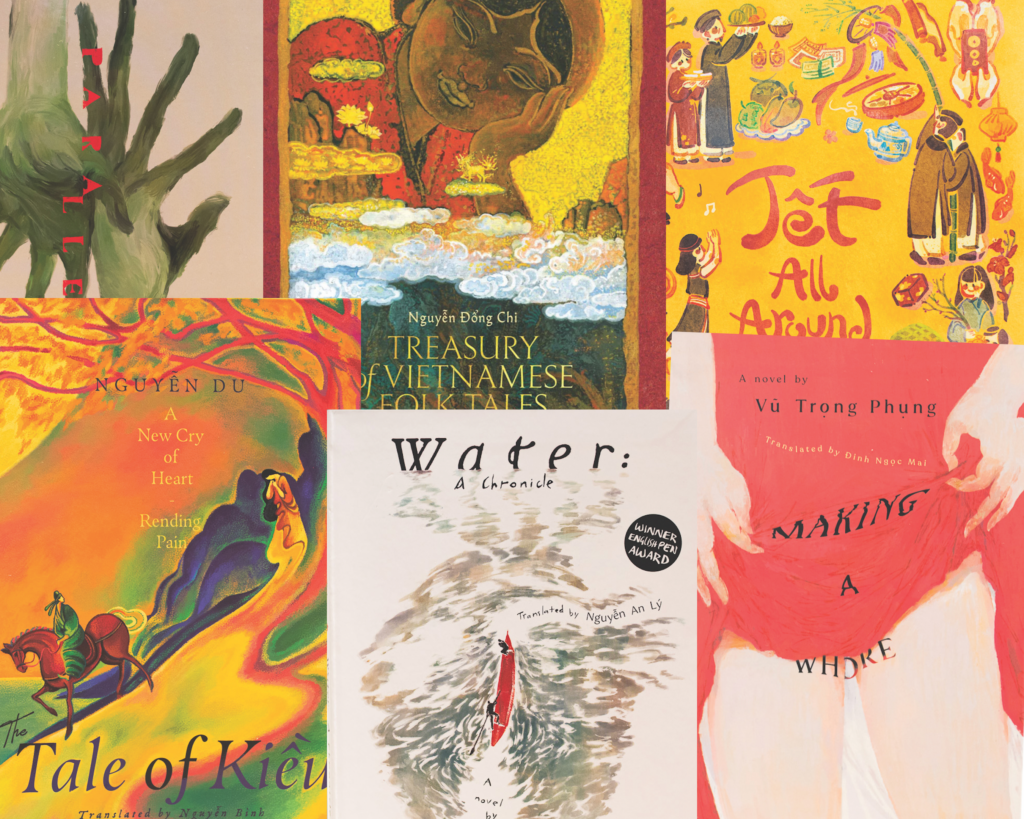
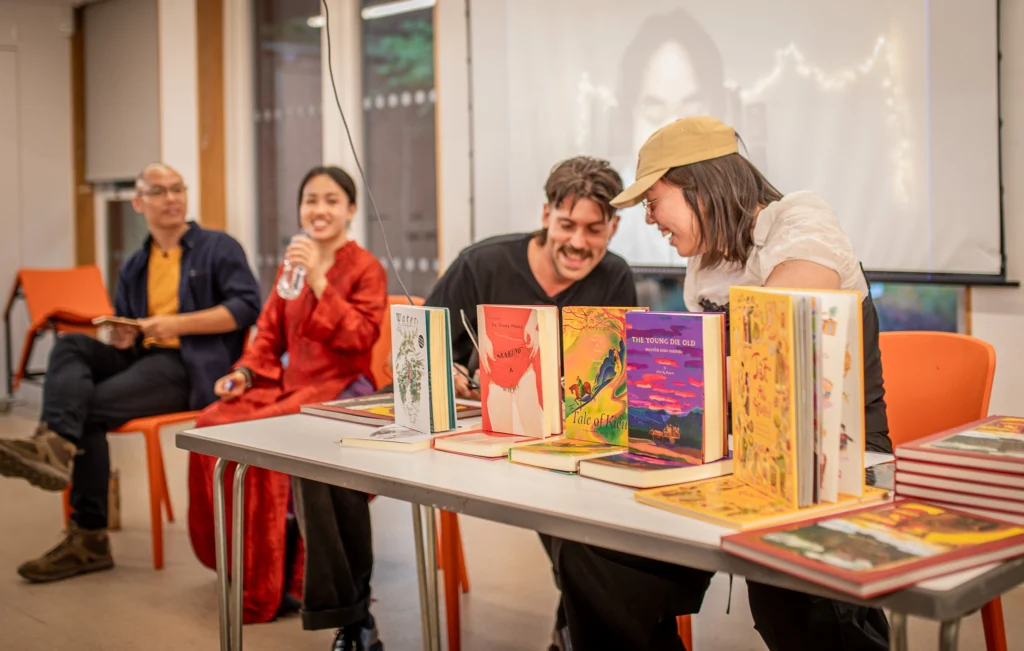
That absence inspired co-founders Pascal and Kim Trần to establish Major Books in London in 2022. In four years, the independent publisher has built a seven-title catalogue stretching from Nguyễn Du’s foundational The Tale of Kiều and Vũ Trọng Phụng’s early-20th-century satire to contemporary fiction and Vietnamese folk tales. Rather than asking any one title to explain Vietnam to outsiders, Kim describes the catalogue as a mosaic.
“We are deeply suspicious of the burden of representation placed on translated literature,” she says. “A single novel is suddenly expected to explain a country of a hundred million people and centuries of its history.” Major Books instead wants Vietnamese writers to be encountered on literary terms. “They should be compared to Beckett or García Márquez, argued with aesthetically, and occasionally misunderstood—like writers from any established tradition.”
A single novel is suddenly expected to explain a country of a hundred million people and centuries of its history
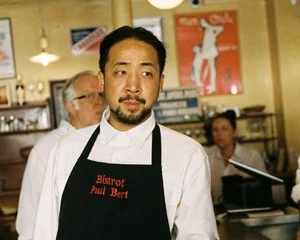
Kim Trần
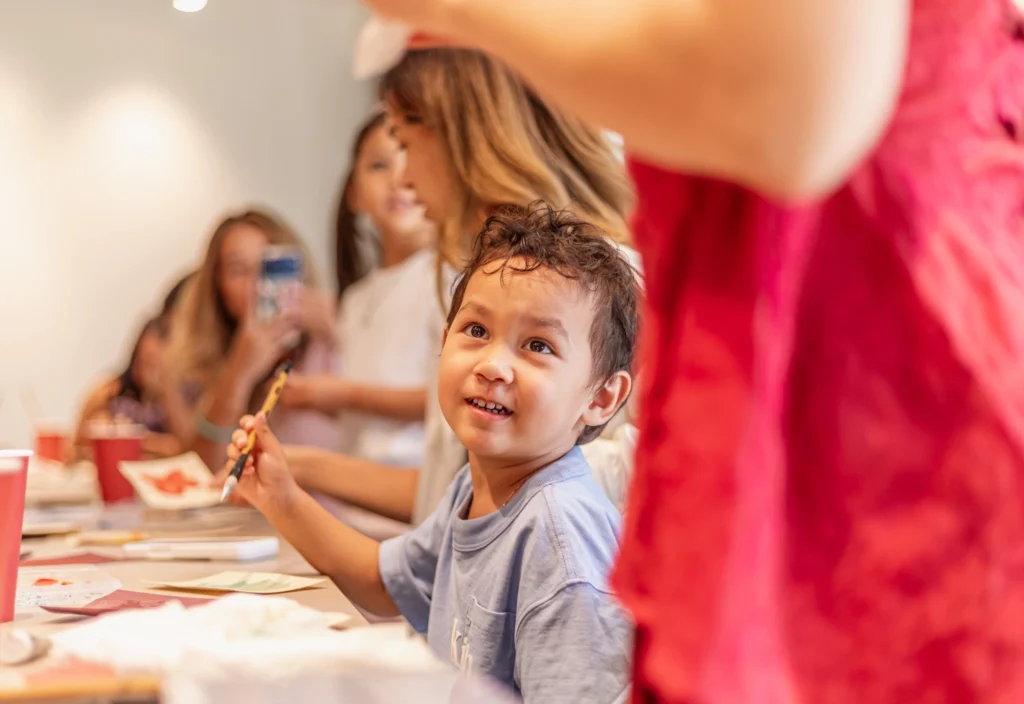
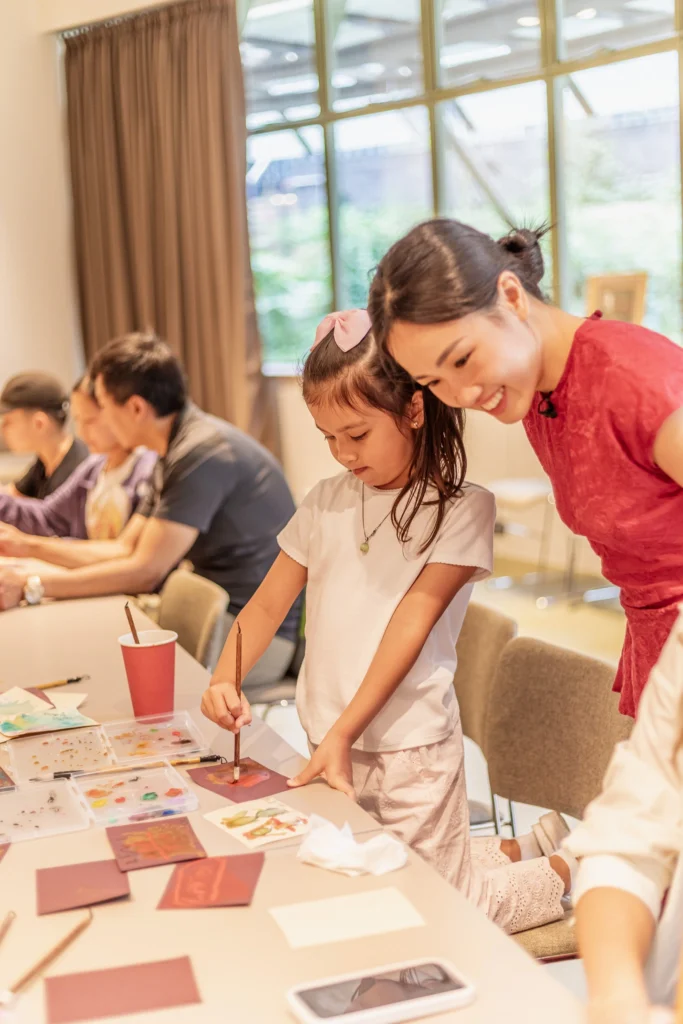
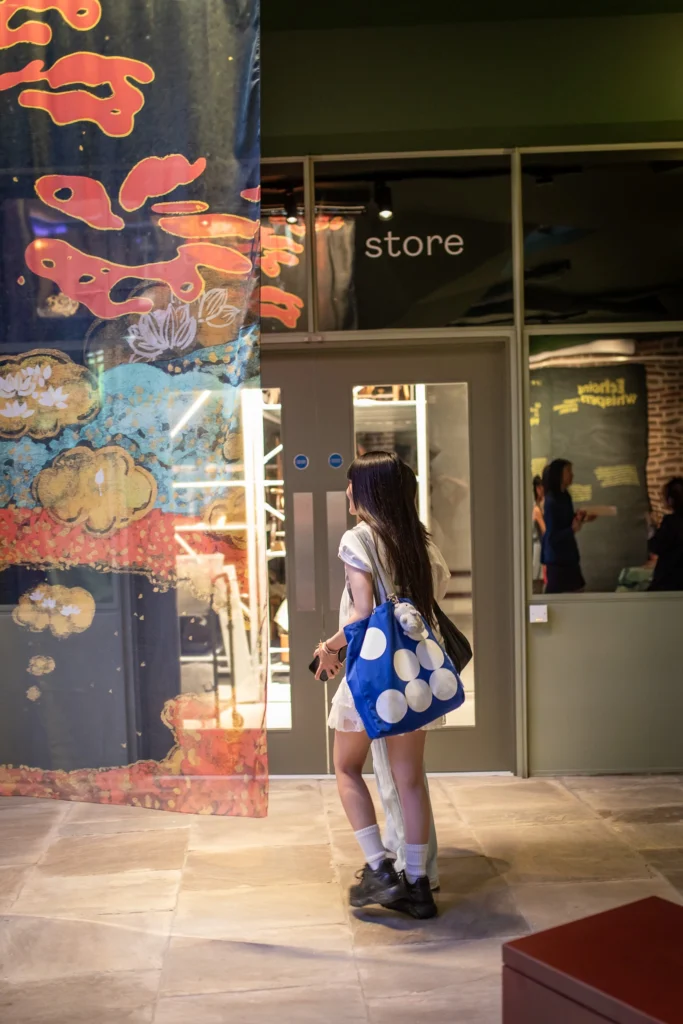
This summer, that mission moved beyond the bookshelf. For their latest exhibition, Echoing Whispers, Major Books selected eleven stories from folklorist Nguyễn Đổng Chi’s landmark collection and paired them with more than 50 original paintings by artist Jeet Zdũng. The resulting exhibition at London’s Museum of the Home became the publisher’s most ambitious project yet, expanding into workshops, storytelling and conversations around Vietnamese folklore.
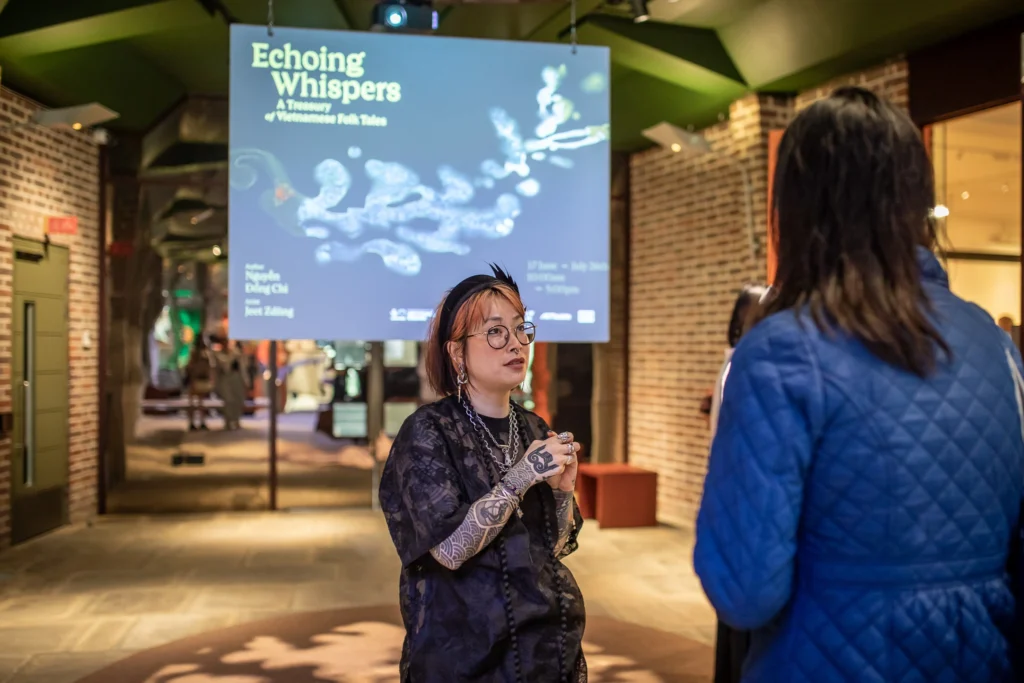
“Once we saw the paintings, it became obvious that this project wanted to escape the book,” Kim explains. “Folk tales were never designed to sit silently between two covers.”
Major Books initially assumed British visitors would need considerable context to enter these stories. Instead, Pascal watched audiences find their own points of recognition: echoes of Cinderella in Tấm Cám, familiar mythological structures in encounters between mortals and gods, and the universal appeal of monsters, animals and transformation. What remained distinctly Vietnamese were the answers the tales offered, shaped by ideas of reincarnation, filial obligation, ancestors and justice across multiple lifetimes.
“That gap—between a familiar question and an unfamiliar answer—is the space where curiosity sparked,” Pascal says. “You send a story out into the world, and it comes back carrying something new.”
You send a story out into the world, and it comes back carrying something new.
Pascal Nguyễn
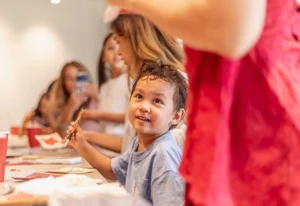
In October, it will. Echoing Whispers travels to Hanoi’s Temple of Literature with not only Zdũng’s paintings but traces of its life abroad, including work created by British-Vietnamese children reimagining the tales. For Trần, the point is not to return with proof that foreigners appreciated Vietnamese culture. “That would be flattering, but not very interesting,” she says. Instead, the exhibition asks: what happens to cultural inheritance as it crosses languages, borders and generations?
The same question sits at the center of Major Books itself. Pascal sees its task as making every successful translation, exhibition and international release clear a little more space for whatever comes next. Four years in, Kim has been surprised to discover that the appetite is already there.
“There is an assumption that Vietnamese literature in translation must be impossibly niche,” Kim says. “Our experience has been almost the opposite.”