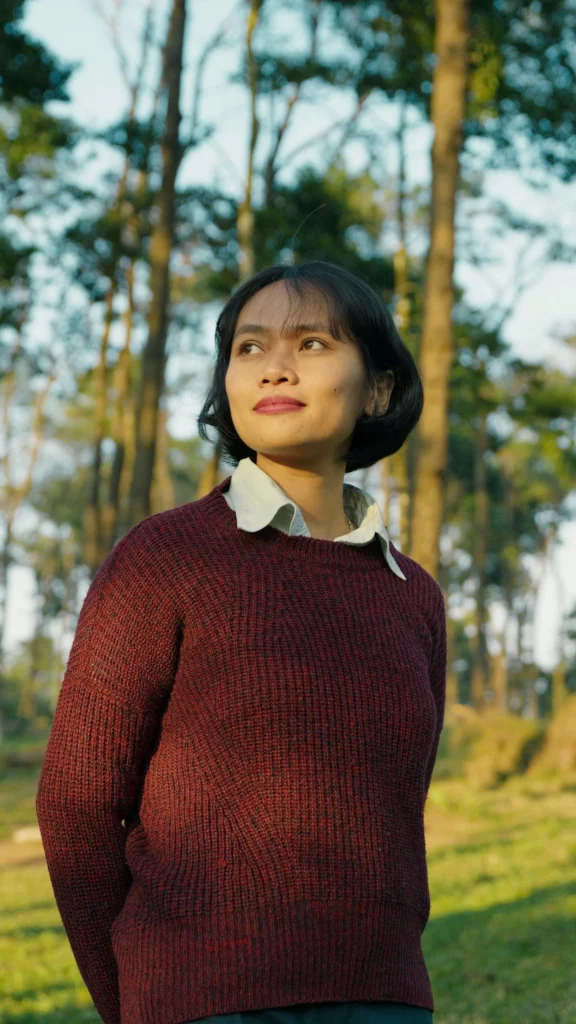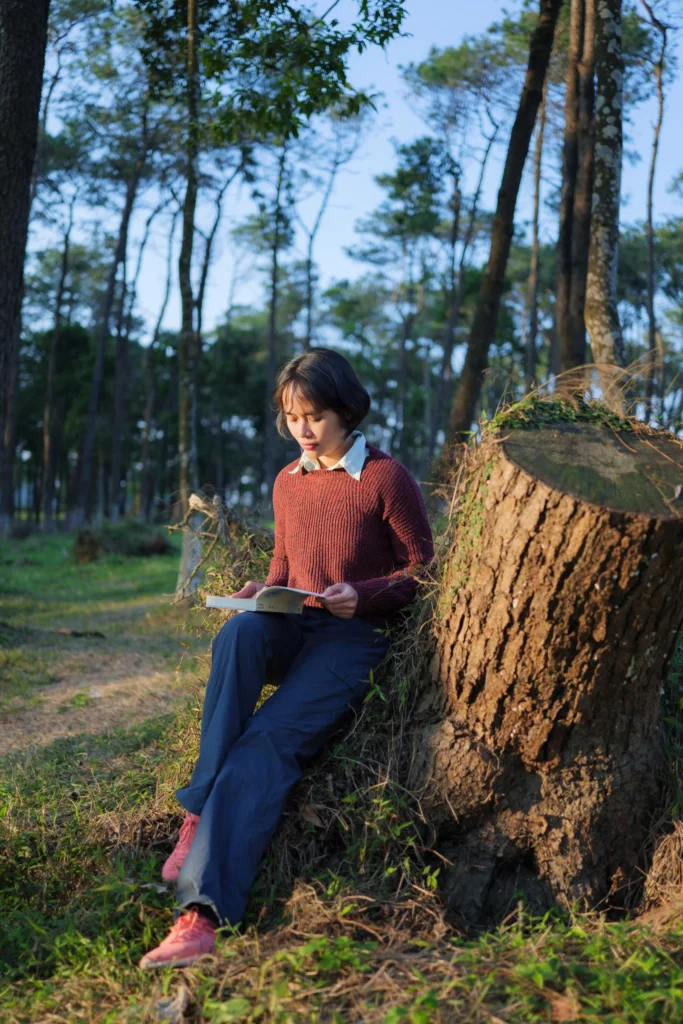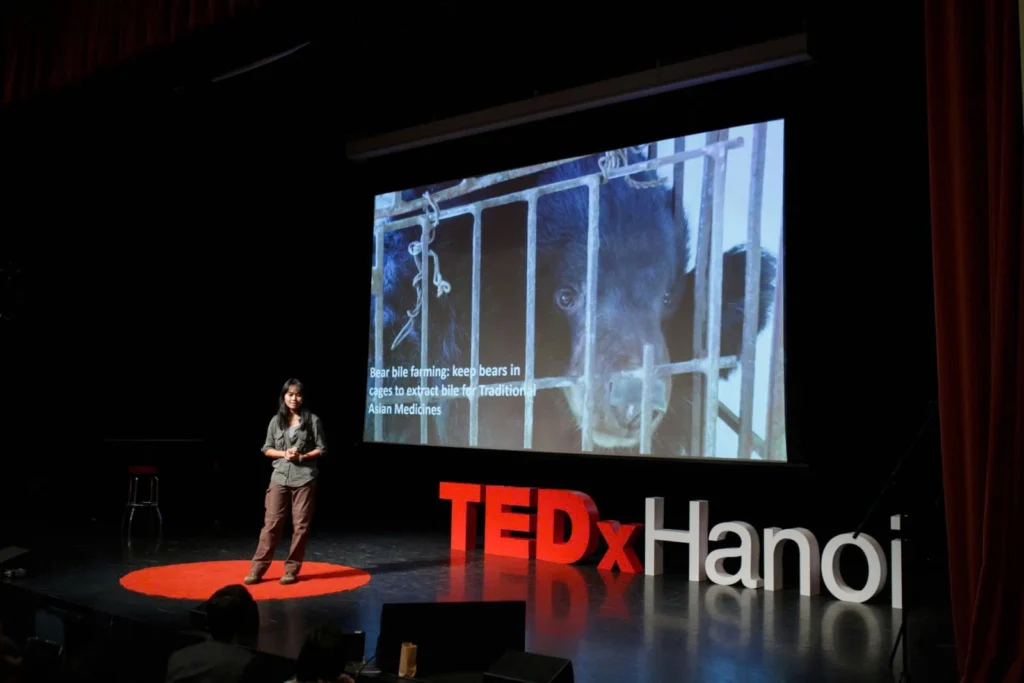
When Trang Nguyen was eight years old, she peered through a neighbor’s fence and saw something she has never been able to unsee. Inside a large enclosed courtyard, a black bear lay on its back, limbs tightly restrained, while bile was being extracted from its body. Most children would have looked away. Trang made a promise instead—a quiet, private commitment that she would do everything she could to stop animals from being treated that way.
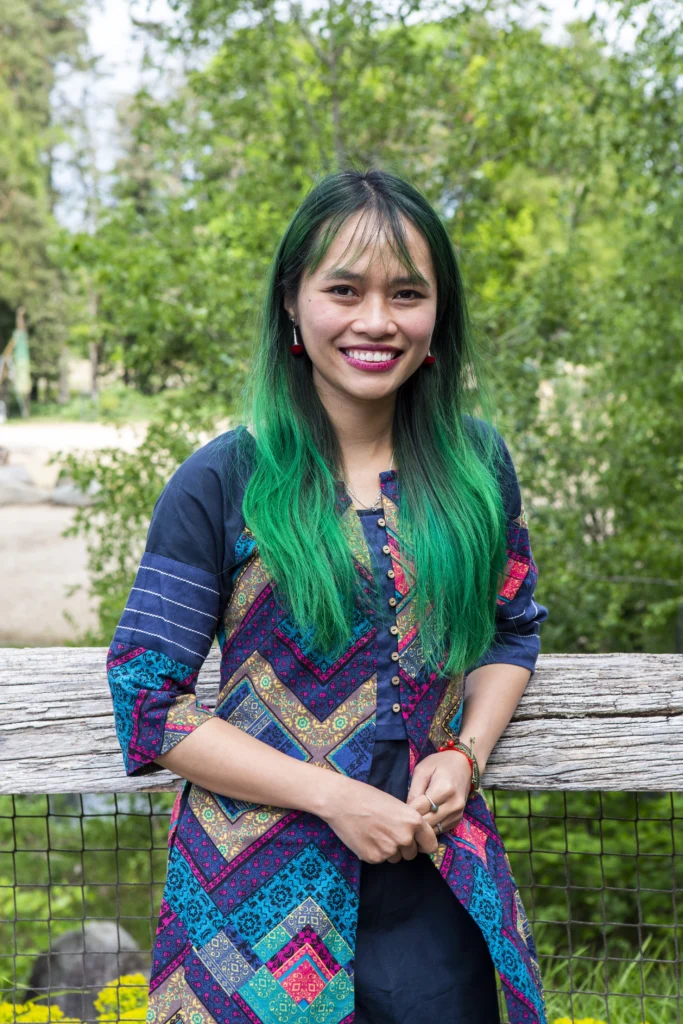
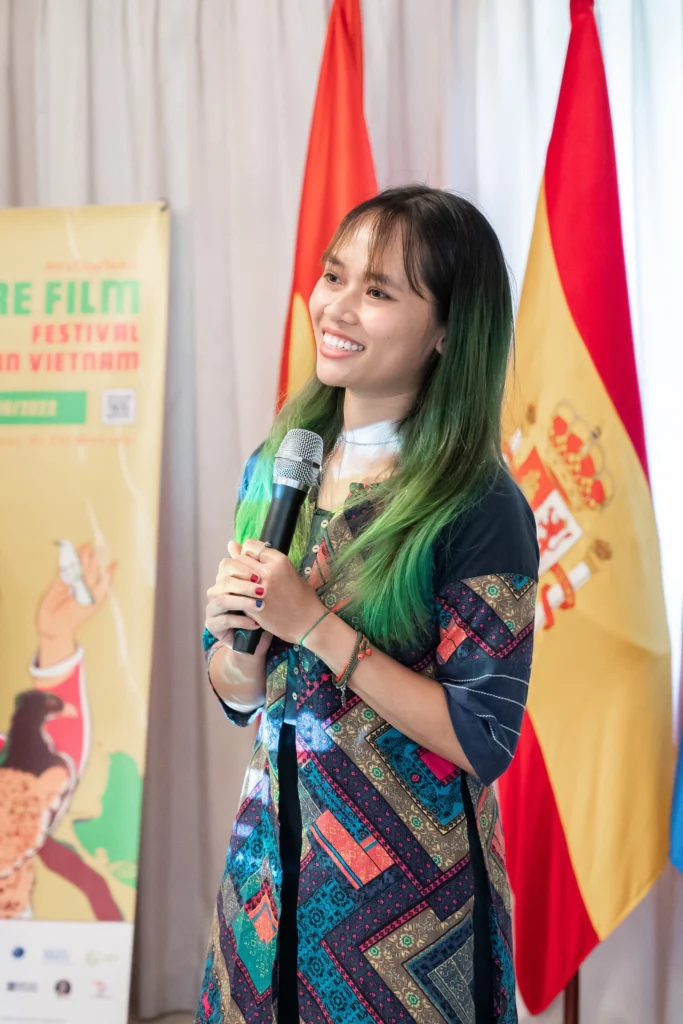
More than three decades later, that promise has taken her from the jungles of Africa to the lecture halls of Cambridge, and back home to Vietnam, where she now leads WildAct, the nonprofit she founded to make wildlife conservation more accessible and inclusive for everyone.
The path was neither straight nor easy. Trang’s dream was dismissed by many around her as a childish fantasy—something a young Vietnamese girl would grow out of. She didn’t. She won a fully-funded scholarship to study wildlife conservation in the United Kingdom, completed two master’s degrees including one at Cambridge, and earned her PhD in Biodiversity Management from the University of Kent in 2018.
Along the way, she gained field experience across Africa and Asia and participated in undercover operations to dismantle illegal wildlife trafficking networks—work that would later be documented on the BBC series Planet Earth III. But it was a cancer diagnosis in 2013, while she was still at Cambridge, that forced the most defining question of her life: if not now, then when? WildAct was born from that moment.
What sets WildAct apart is its conviction that conservation cannot succeed without putting people first. Rather than treating local communities as obstacles, Trang sees them as the most essential partners—the ones who know the forest best, and who have the greatest power to protect or destroy it.
In honor of Earth Day, Esquire Vietnam sat down with Trang Nguyen to talk about the work, the setbacks, and the philosophy driving one of Vietnam’s most compelling conservation voices.
Esquire Vietnam: People often imagine conservationists are always deep in the jungle. What does a typical workday actually look like?
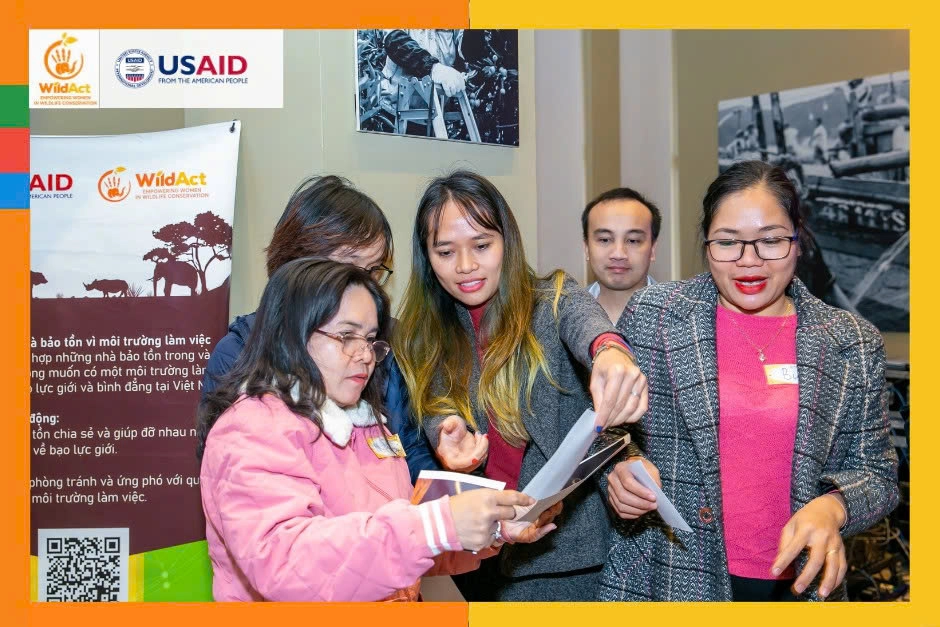
Trang Nguyen: It’s a fair assumption, but the reality is quite different. On an average day, I focus on designing and managing projects, conducting research, coordinating with partners, and working closely with various stakeholders. A significant part of my role also involves capacity building. I’ve come to see that these strategic and administrative aspects are just as critical as fieldwork—they help ensure that conservation initiatives are not only impactful in the short term but also sustainable and scalable over time.
Walk us through how WildAct’s work actually operates on the ground—the three groups you focus on, and how ordinary people can get involved ?
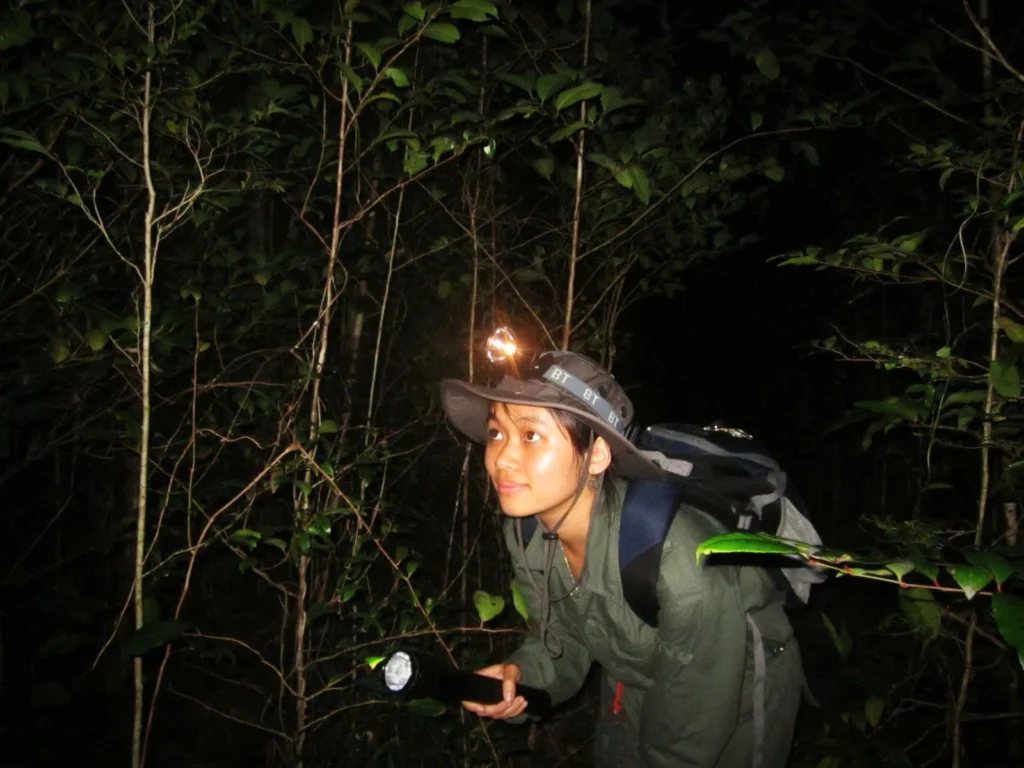
Through our Friends of the Forest project, we support frontline forces through capacity building—particularly in applying technology—so they can more effectively protect wildlife on the ground. For communities living in and around protected areas, we focus on improving livelihoods, supporting education, and creating real opportunities so that local people can become active guardians of the forest rather than being pushed toward activities like hunting.
And for the broader public, we focus on raising awareness and inspiring more people to care. One of the things I feel most strongly about: I don’t really see anyone as “ordinary” when it comes to conservation. It can begin with learning more about wildlife, making conscious choices not to consume wildlife products, or simply sharing knowledge with others. Conservation belongs to all of us.
I don’t really see anyone as “ordinary” when it comes to conservation. It can begin with learning more about wildlife, making conscious choices not to consume wildlife products, or simply sharing knowledge with others. Conservation belongs to all of us
What has been the biggest challenge of your career?
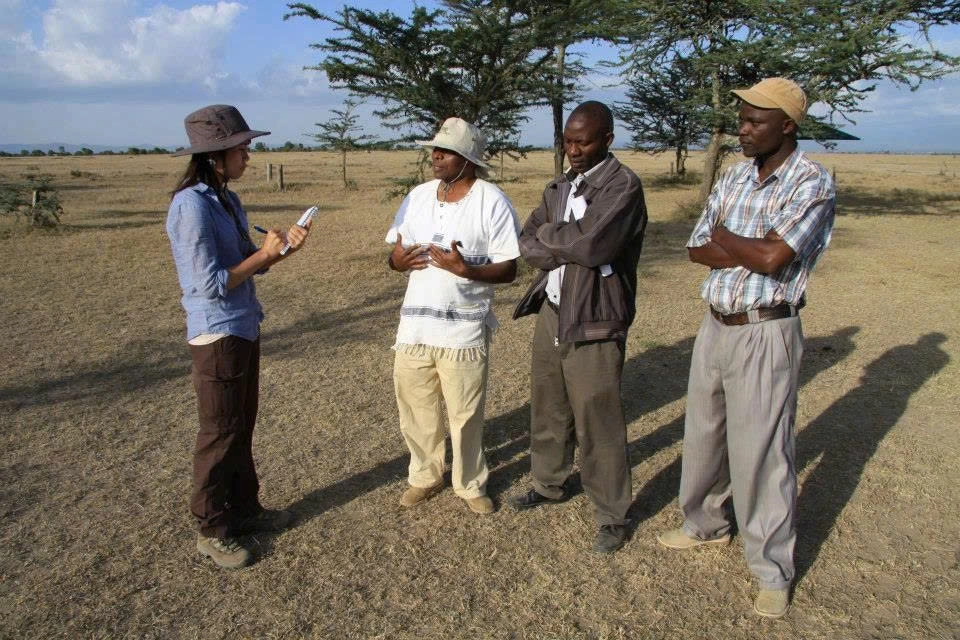
One of the biggest challenges, not only in Vietnam but in many parts of the world, is navigating gender stereotypes within what remains a male-dominated field. Early in my journey, I was told directly that I couldn’t take part in a research project “simply because I was a girl.” I also lost my first PhD scholarship opportunity for the same reason.
Experiences like that are difficult, but they also made me more determined to continue. Beyond the explicit bias, there are subtler challenges—I remember attending an event where students were advised that, to be a successful female leader, they should present themselves in a certain “gentle” and traditionally feminine way. Moments like that highlight how deeply expectations around gender can still shape how women are perceived in leadership, even today.
What has been your proudest moment so far?
Because conservation is a lifelong journey, I don’t often think in terms of a single proudest moment. What brings me the greatest sense of fulfilment is seeing a real shift in how people think about and engage with it. One of the most meaningful examples has been our work in Chu Yang Sin, where we support former hunters in transitioning into the Conservation Community Team.
Rather than seeing them as part of the problem, we chose to understand the root causes—often limited livelihood options—and work with them to create alternative paths. What has been especially encouraging is that even years after joining the program, none of the participants have returned to hunting. It shows that when people are given genuine opportunities and trust, they don’t just change what they do. They change how they see their relationship with the forest.
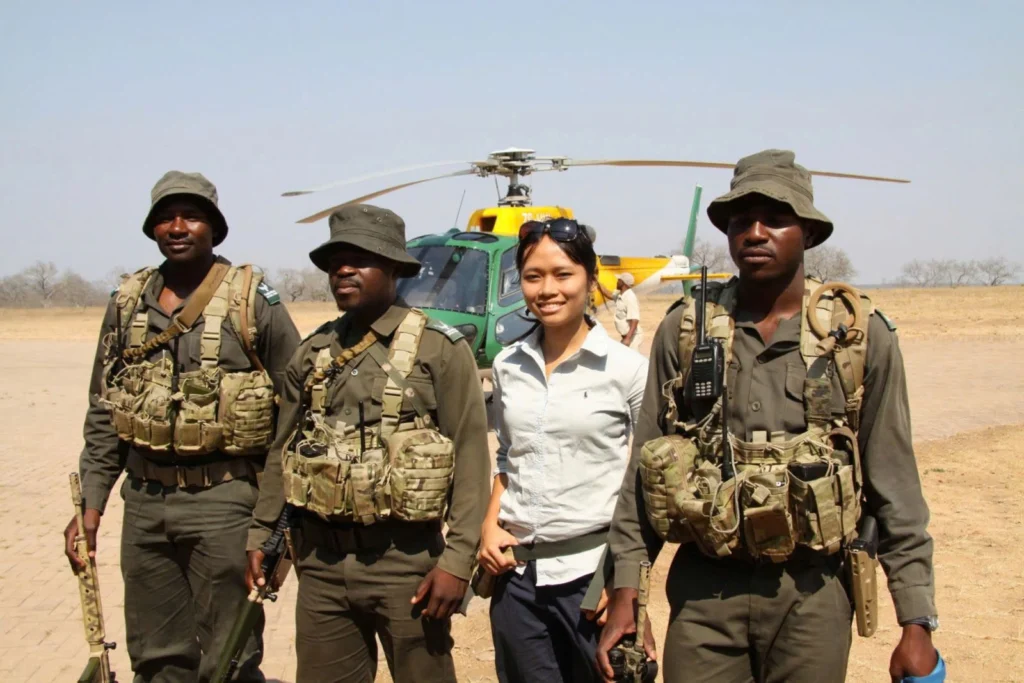
You’ve done undercover work that was documented on television. What was that experience really like?
Everything you see on screen is real—and in many ways, even more intense than what television can fully convey. Since I was young, Sir David Attenborough has been a huge inspiration. I never imagined I would one day be featured in that world, or have the chance to meet someone I had admired for so long. The program retraces my work in Africa, where I went undercover to investigate and help dismantle illegal wildlife trafficking networks. To do this, I had to take on the role of a trafficker.
I am quite a cheerful and open person, but in those situations, I had to become someone entirely different—more guarded, controlled, and convincing enough to gain the trust of people involved in illegal activities. Nothing was staged. The people you see are real traffickers, the wildlife products being traded are real, and the situations are unpredictable. If my cover had been compromised, it would not only have meant the mission failing—it could have put my life at serious risk. That is something you carry with you throughout the entire experience.
Nothing was staged. The people you see are real traffickers, the wildlife products being traded are real, and the situations are unpredictable
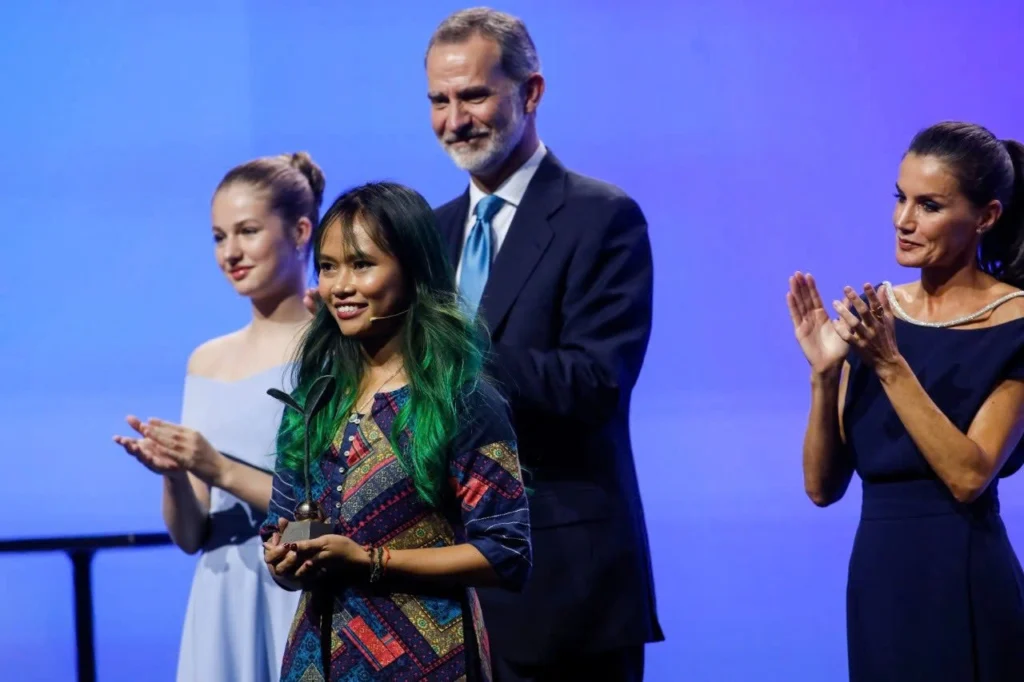
Vietnam is developing fast. What do we risk losing if we’re not careful?
The faster a nation develops, the more important it becomes to balance economic growth with the protection of nature—because ultimately, nature is not separate from us. It is the foundation that supports human life. Unsustainable exploitation of natural resources can lead to ecosystem collapse, biodiversity loss, and environmental degradation.
Pollution, deforestation, and the loss of wildlife don’t just affect nature; they directly impact human health, livelihoods, and long-term economic stability. Our government clearly recognises these challenges and has taken thoughtful, forward-looking steps to promote a more sustainable model of growth. Those are genuinely encouraging signs—but the pace of change has to match the urgency.
What needs to change in Vietnam’s approach to conservation?
What needs to change is the level of collective engagement. Real and lasting impact can only happen when all stakeholders are involved: local communities, businesses, government agencies, and non-governmental organisations. At WildAct, we try to contribute to this by designing projects that bring different groups together—supporting communities to transition to more sustainable livelihood models like agroforestry, or empowering individuals to play an active role in protecting forests.
These efforts aren’t only about conservation outcomes; they’re about building shared responsibility. The direction is clear. Conservation needs to be collaborative, inclusive, and rooted in long-term thinking if we want to create meaningful, lasting change.
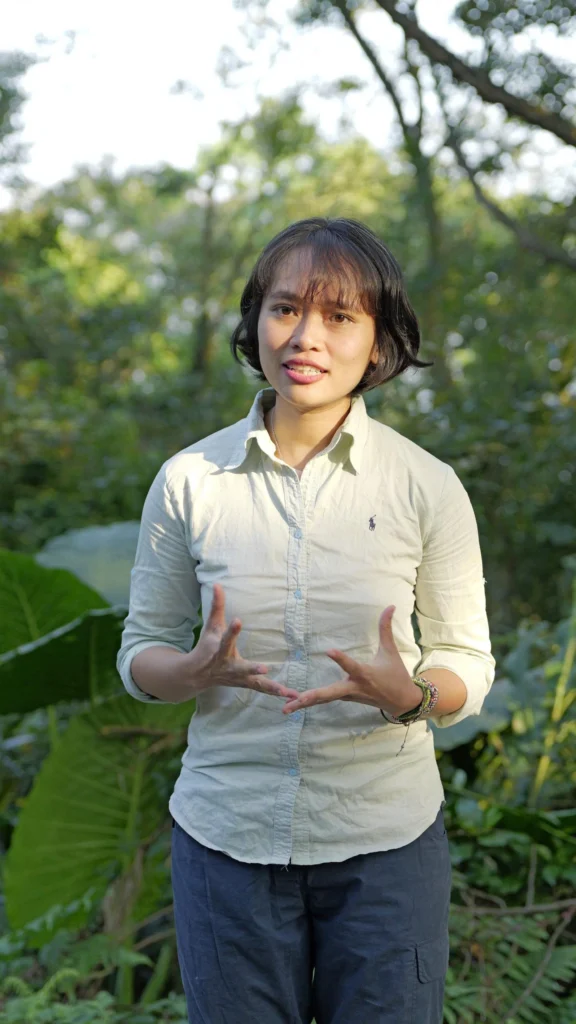
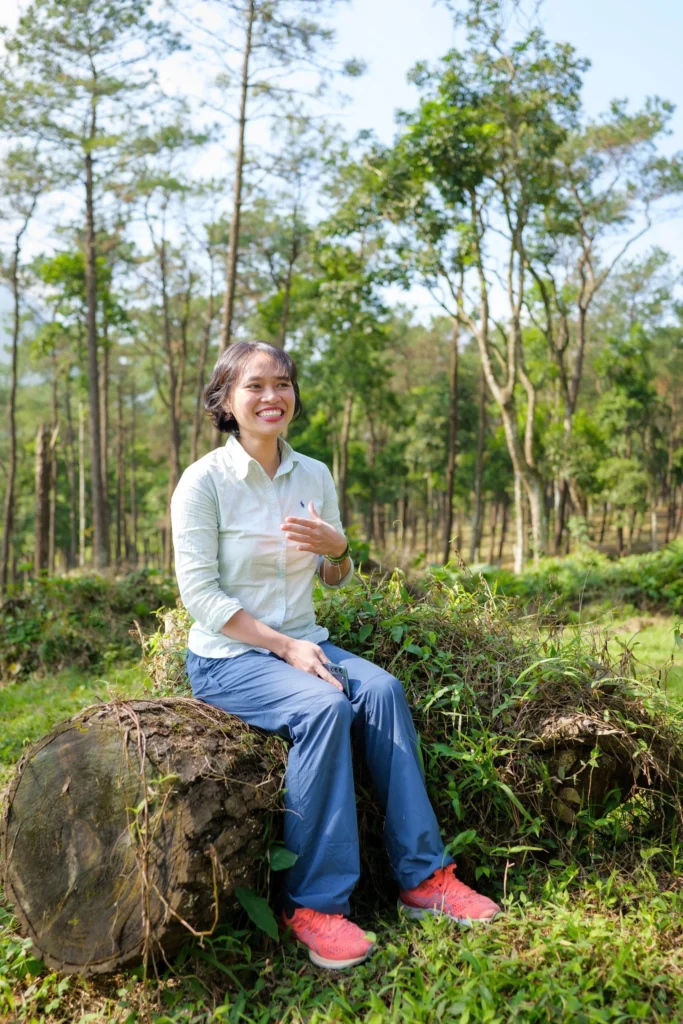
Conservation needs to be collaborative, inclusive, and rooted in long-term thinking if we want to create meaningful, lasting change
What are you most excited about in 2026?
There are three key projects I’m particularly hopeful about this year. The first is our agroforestry initiative, where we provide cacao seedlings and support local communities in the buffer zones of Chu Yang Sin National Park in Đắk Lắk to intercrop cacao with native trees—improving forest cover while creating stable income, and reducing reliance on forest exploitation. In parallel, WildAct will expand the Conservation Community Team at Chu Yang Sin to help ease the burden on forest rangers.
We’re also aiming to collaborate with businesses to develop training programs on preventing gender-based violence and harassment, particularly for women working in conservation and other male-dominated fields—and to publish a practical guidebook on protecting oneself from gender-based violence. That work feels especially personal to me.