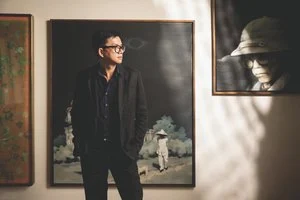
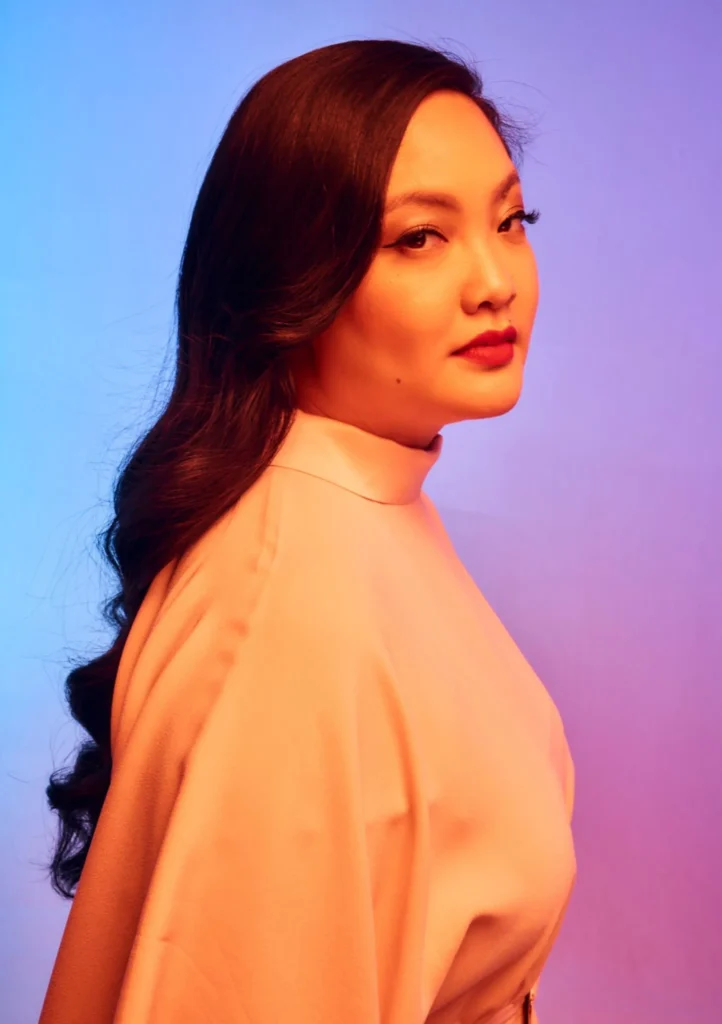
At 30, Amanda Nguyen sees her life as overlapping X-rays: the five-year-old girl she once was, the woman she is now, and the 80-year-old she hopes to make proud. In her 2025 memoir, Saving Five: A Memoir of Hope, she writes that these are the only two people one must ultimately answer to. Between them stands a narrator to stitch past and future together, yet still living inside a chapter that refuses to close.
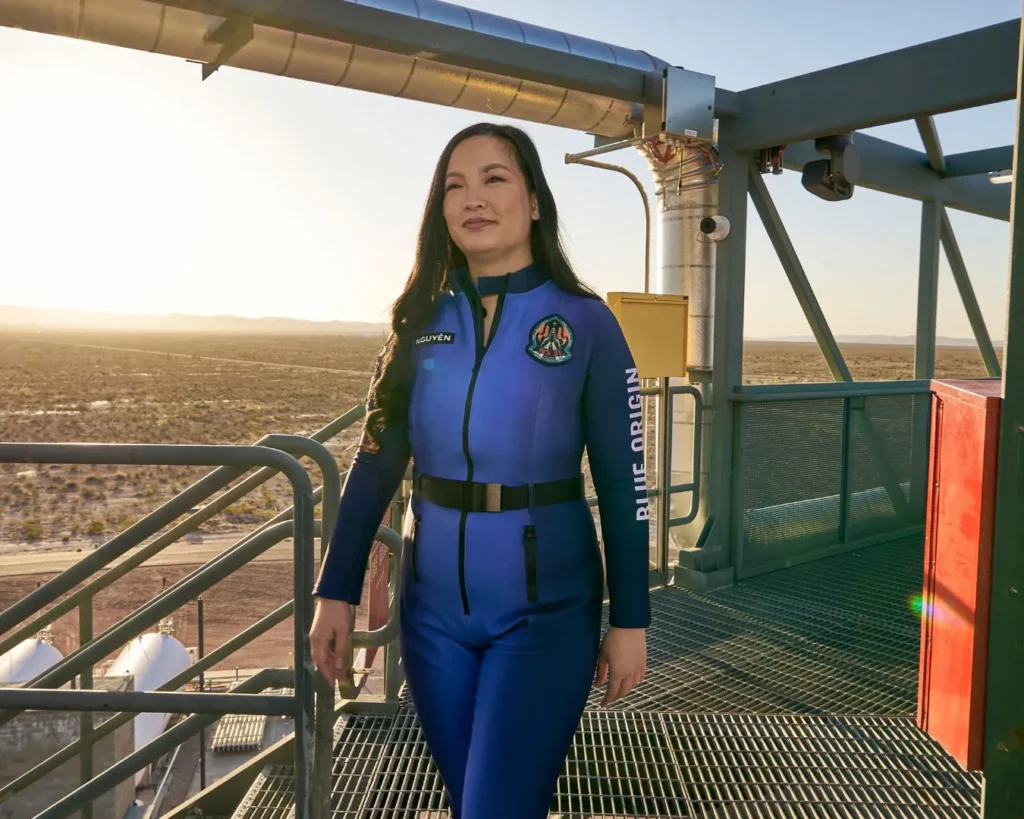
Born in California in 1991, Amanda once followed a trajectory many would envy: Harvard University, a position at NASA, and a dream of becoming an astronaut. At 22, a sexual assault rerouted that orbit. Confronting a legal system unprepared to protect survivors, she founded Rise and drafted the Sexual Assault Survivors’ Bill of Rights, unanimously passed by the U.S. Congress and signed into law by Barack Obama in 2016. Years later, after advancing global justice efforts at the United Nations, she returned to space—becoming the first Vietnamese woman to fly with Blue Origin in April 2025.
Scientist, advocate, “accidental activist”—Amanda resists singular labels. For her, joy is not indulgence but defiance, and purpose need not exclude wonder. In this conversation, she reflects on justice, science, and the radical choice to live fully—on her own terms.
Esquire Việt Nam: In the book, you explore different ages of yourself. Which one do you recognize most clearly?
Amanda Nguyen: 30 is the one I recognize myself most clearly in, since 30 is the main narrator. 5 is the one that’s most distant. I don’t want to spoil the ending, but 5 has a really important role. I still stand by one of my opening quotes: the two people you need to make proud in your life are 80-year-old you and five-year-old you. I live my life trying to make that a reality.
Writing often fixes a person in time. How did it feel to put a period on that chapter of your life while knowing you were still in it?
I knew the story I wanted to tell was how I went from becoming a survivor to rewriting and penning my own civil rights into existence. The reason for that period of my life is that I wanted to share that information with someone who might be looking to do the same, whether they’re a survivor or someone who wants to change the world.
Looking back, what through line do you see now that you couldn’t articulate at the time?
The paperback has a new afterward, and in that afterward, I write about my experience of seeing Earth from space, and that perhaps all of it is cosmically linked. One of the most moving moments for me was finding out that April 14th, the day I launched to space, was the same day 11 years prior that my rape kit was scheduled to be destroyed.
The throughline may be that we’re all connected to our dreams, and that they’re waiting for us to walk toward them.
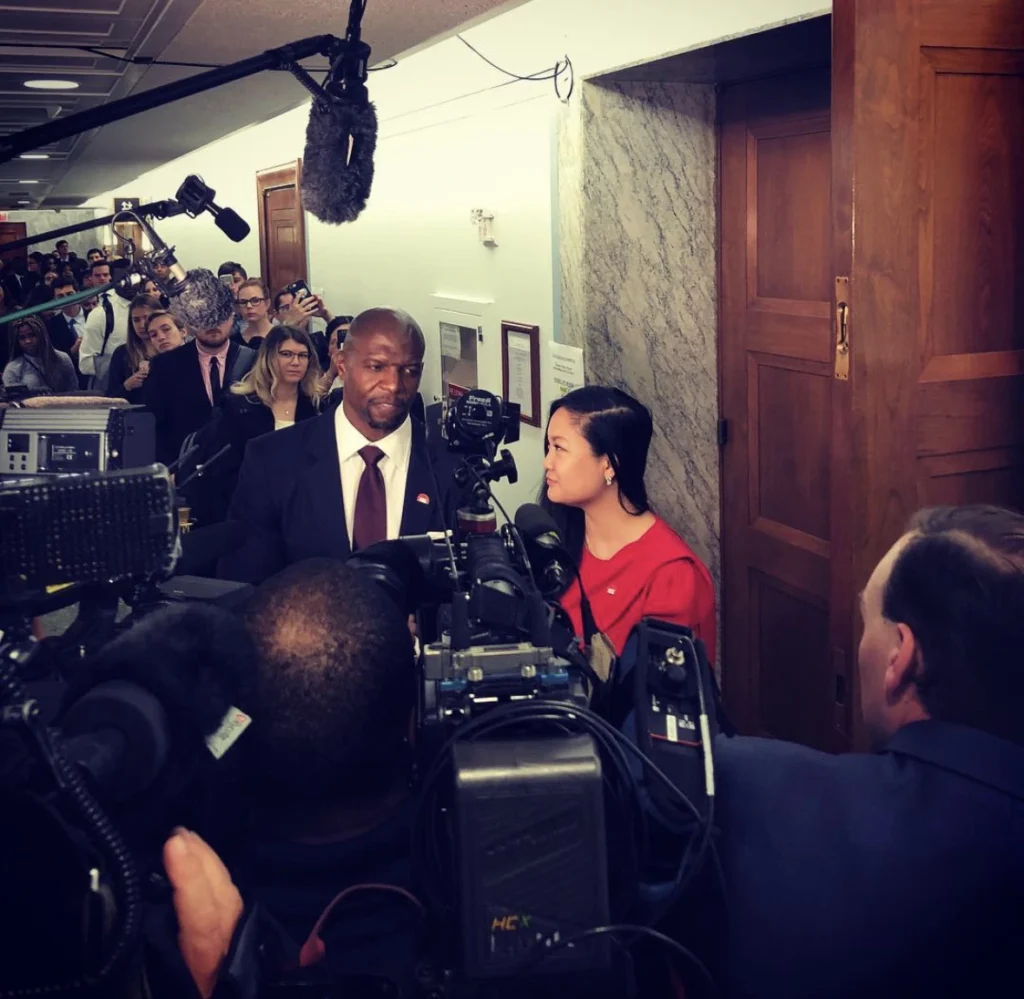
Your work is built on telling your own story in a way others can relate to. When did you realize it was no longer just about you?
There was a very specific moment, and that was when I walked into my local rape crisis center. The waiting room was full. There weren’t enough seats.
I didn’t understand how stacked the cards are against survivors until I became a survivor myself and had to navigate the labyrinth of the legal system in the United States.
When I decided to become public and fight for my rights, I began hearing from survivors around the world. I penned my own civil rights law in the U.S., and when President Obama signed it, over a million people reached out and asked me to continue fighting. That’s when I delayed my dream to fly to space again to work on the United Nations resolution. It took six years, but we passed the first standalone General Assembly resolution on access to justice for survivors of sexual violence.
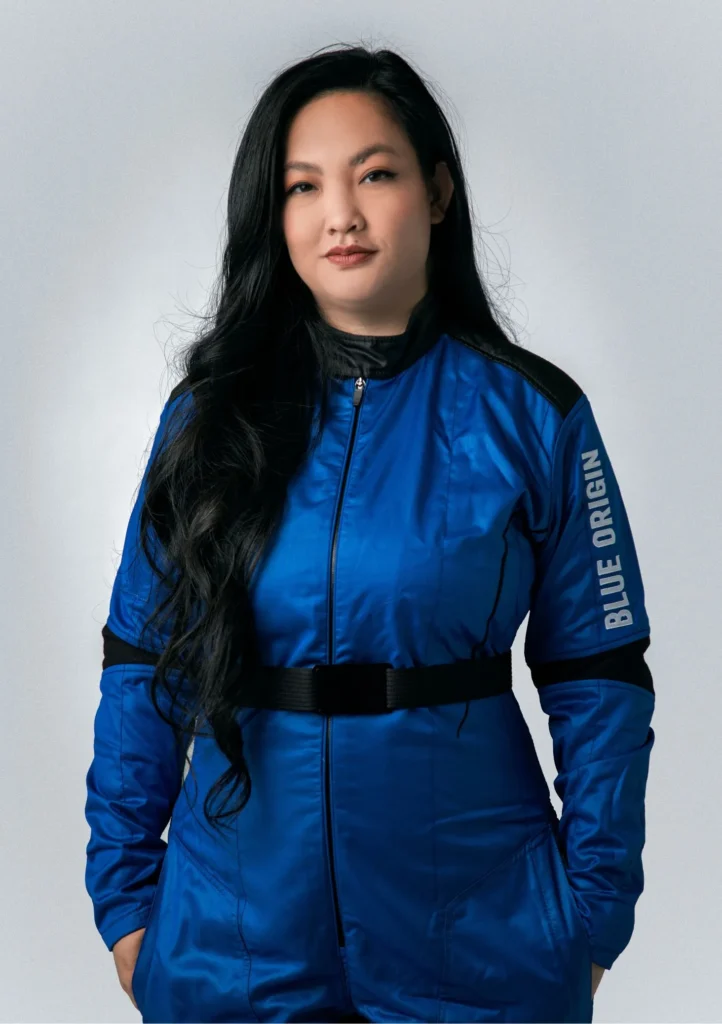
Many people in Vietnam first encountered you through the space mission and later discovered your work on women’s health research. How did that reshape how you understand yourself?
I’m grateful that the spotlight of my spaceflight has been able to uplift my work on women’s health. I’m grateful people are interested in the breast cancer research I’ve done with MIT and my menstruation research.
Topics around women’s health, especially reproductive health and gender-based violence, are still taboo. I’m grateful that the space flight spotlight has created a way to shed light on these issues that are often harder to get attention for.
Your work is often described as historic or symbolic. How do you personally stay grounded when those labels begin to overshadow the person behind them?
I stay grounded by remembering that what I do and this work is much bigger than just me. When things were difficult, especially when I was trying to pass my first law, it was imperative to remember that everything I’m fighting for is bigger than me.
That’s how I’ve been able to sit across from politicians and world leaders who don’t share my values, negotiate with them, bring them to the table, and ultimately win.
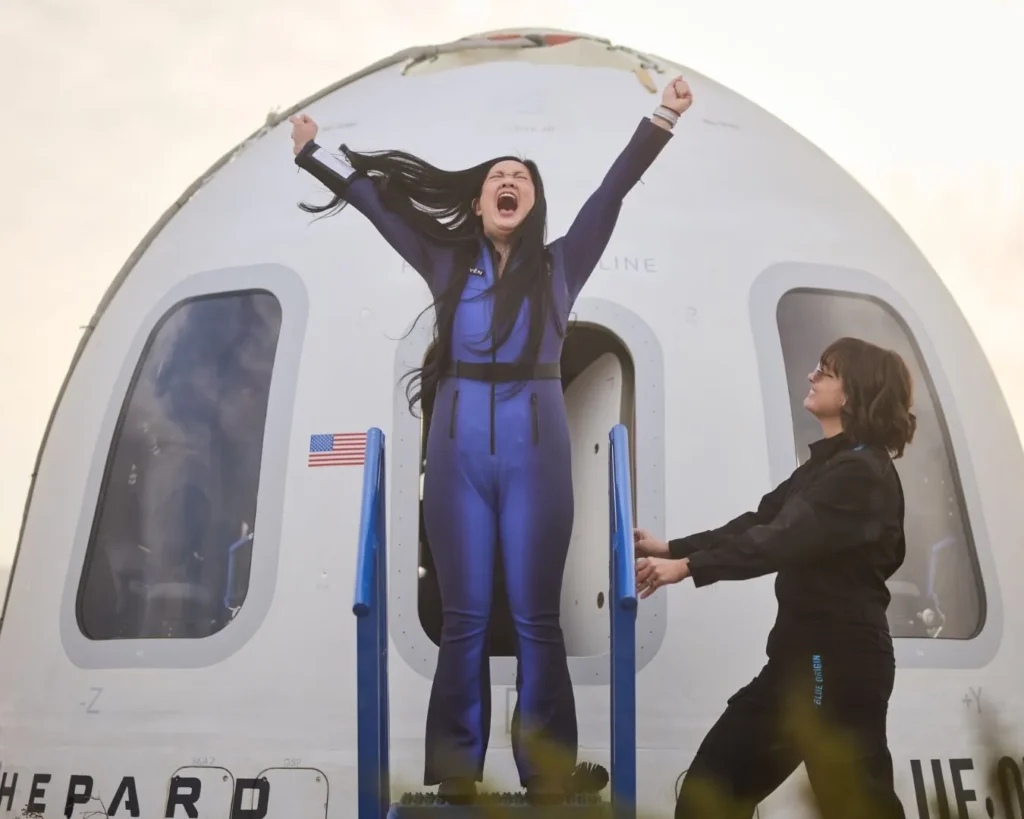
As a Vietnamese American, you’ve long lived between cultures with different ideas of success and sacrifice. How does that duality shape you today?
Being both Vietnamese and American is living between two cultures that were once former enemies. That duality has shaped how I understand peace and reconciliation.
This year marks 50 years since the war, and we see that our two communities can coexist. It meant so much to me to receive a letter from the president of Vietnam upon landing back on earth. I’m going to Vietnam for this Tết season to continue to build bridges between the two parts that make up who I am.
Mental health is increasingly discussed but often framed as an individual problem. How should we be reframing it?
Mental health impacts everyone. It was really hard to get my parents and my family to see mental health not as taboo, but as a necessary part of living a healthy life.
Mental health is something individuals deal with, but it’s always in the context of the community. Humans are social creatures. As a community, we should be understanding, kind, and empathetic, because empathy and kindness are values that enable peace.
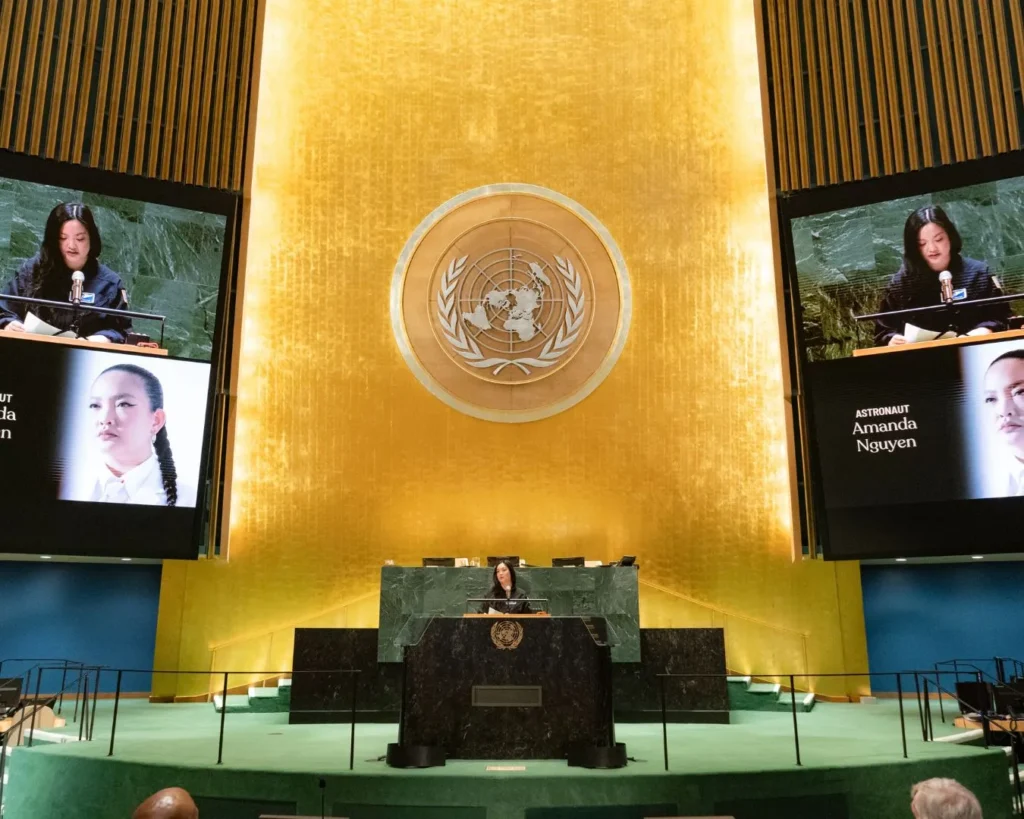
Activism defines much of your public identity. In this chapter of your life, what defines you when the work quiets down?
I feel like an accidental activist. I never wanted to be one. I started in astrophysics, and now I’m in bioastronautics.
The activism I do with the team at Rise is work I’m incredibly proud of. We’ve passed our 116th law protecting survivors of sexual violence and teaching people how to raise their voices and negotiate within existing systems. I’m proud to be an astronaut, grateful for the opportunity, and committed to continuing scientific research on women’s health.
Looking forward, what do you want your next chapter to be about, not in terms of achievement but in how you want to live?
I just want to be me. Joy is the most radical form of rebellion. We still live in a world where female joy is so radical that it attracts attention we don’t want.
I’m grateful to wake up every day feeling agency, feeling that the world is something I can change, and that dreams are possible. My biggest dream is to live a life full of purpose and joy.