For decades, carbonated drinks were all about indulgence: lots of sugar, bold flavors, and instant refreshment. Today, that is beginning to change. People still enjoy the experience of opening a cold can, but they are also paying more attention to what is inside it. Less sugar, better ingredients, and products that fit a healthier lifestyle have become increasingly important.
This shift is happening around the world. PepsiCo recently acquired Poppi for nearly $2 billion, while brands like Kin Euphorics, AG1, and Trip continue to grow. Wellness drinks are no longer a niche category—they are becoming part of everyday life.
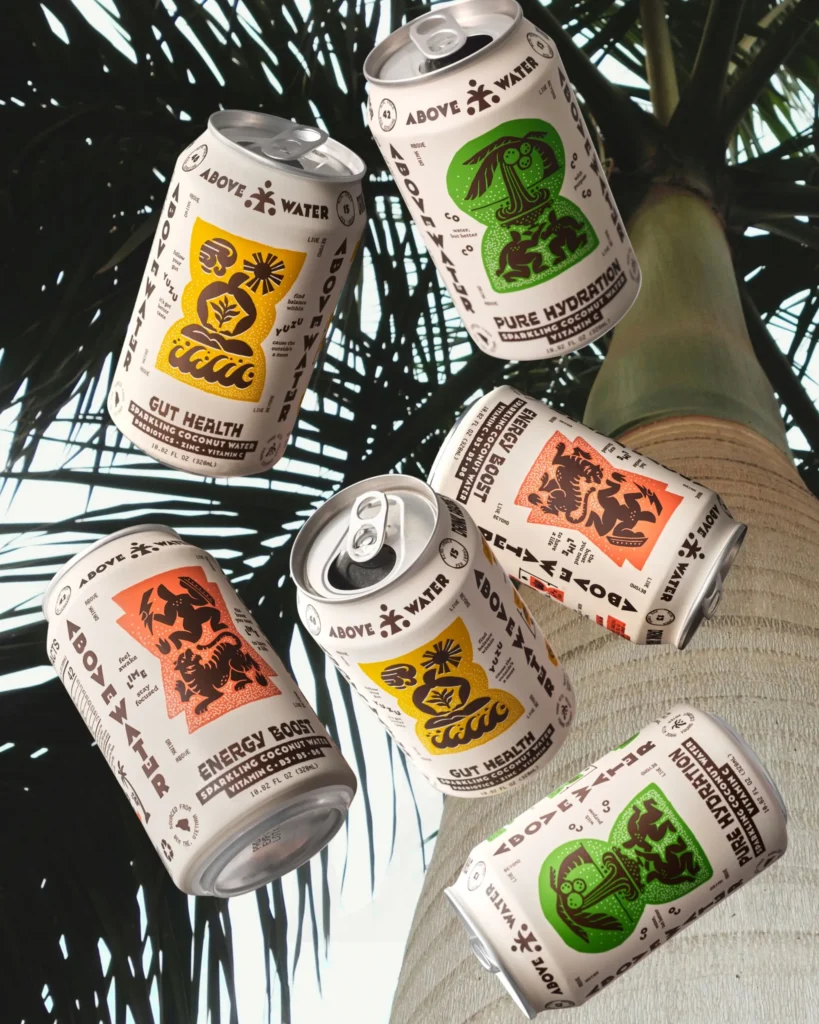
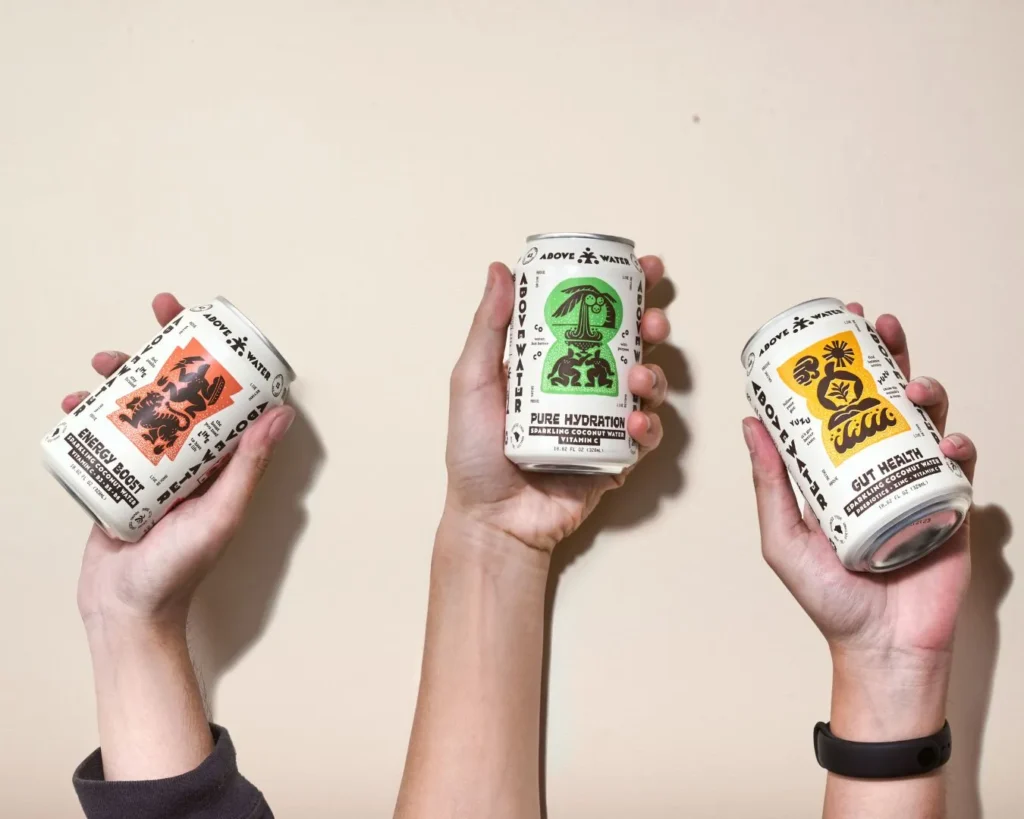
ABOVE WATER is one of the brands hoping to shape this new chapter. Founded by Jun Young Park, the company takes a different approach by using sparkling coconut water instead of purified water, which is commonly found in sodas and many functional beverages.
For Park, the brand represents more than a new product. It reflects the future of wellness in Southeast Asia, where local ingredients, modern science, and changing lifestyles are coming together.
Speaking with Esquire Vietnam, Park shares his experience building a brand between Vietnam and South Korea, why he believes coconut water could become the foundation of the next generation of beverages, and the opportunities he sees in Vietnam’s growing wellness market.
As more people think about sugar intake, gut health, and recovery after a long day, the question is no longer, “Is this drink good for me?” Instead, it has become, “Does this fit the way I live?” And perhaps the answer starts with a can of sparkling coconut water made in Vietnam.
ABOVE WATER is built around carbonated coconut water rather than the purified water used in most functional beverages. What led you to that decision, and what makes coconut water such a compelling foundation for the brand?
Today, there are countless soda brands built on purified water. But taste and design have become increasingly easy to replicate. When you look at them on the shelf, many of these brands appear almost identical — not only visually, but also in terms of their nutritional profiles.
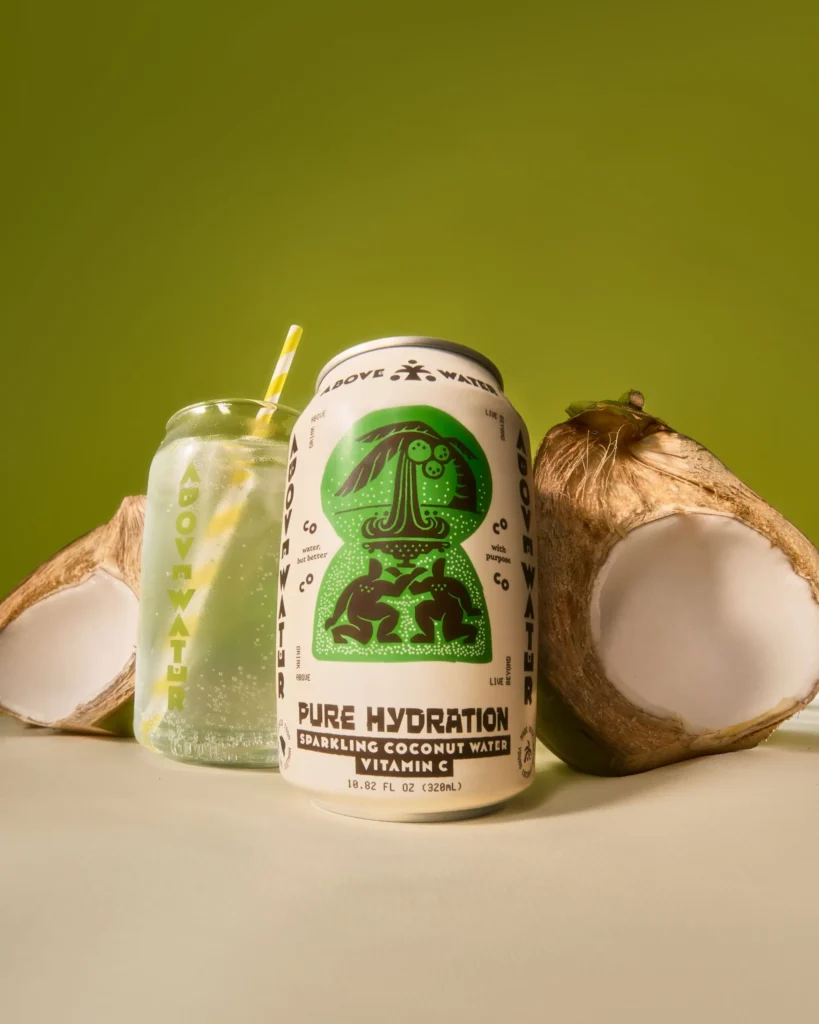
For me, coconut water felt like a much more powerful foundation than mineral water or purified water. Many soda brands built on water have to artificially add minerals, electrolytes, or functional ingredients to create value. Coconut water already has many of those qualities naturally. It contains natural sweetness, minerals, electrolytes, and potassium, which made it an incredibly compelling base for a modern hydration beverage.
You describe ABOVE WATER as a “Modern Wellness Soda.” What does that category mean to you, and how is it different from sparkling water, soda, or sports drinks?
To me, the biggest difference between a functional soda and a wellness soda is the direction of the value they try to prove.
A functional soda usually focuses on what it does — vitamins, caffeine, electrolytes, probiotics, or other specific benefits. A wellness soda, on the other hand, is more about lifestyle. It is not only about function, but also about identity, visual, taste, mood, and the kind of daily ritual people want to build around themselves. That distinction was very important for ABOVE WATER.
With many functional beverages, taste can sometimes become secondary. The formula is built around nutrition first, and taste follows later. But for a wellness soda, taste has to stand on the same level as function. It has to be something people genuinely enjoy drinking, not something they force themselves to drink because it is “good for them.”
I also wanted ABOVE WATER to have a very specific role in people’s lives. If a drink like Pocari Sweat is often associated with hydration during movement, and energy drinks like Monster or Red Bull are usually consumed before activity for stimulation, I wanted ABOVE WATER to live in the moment after — after movement, after heat, after work, after a workout, or after a long day.
For us, ABOVE WATER is a modern recovery soda. It is carbonated, refreshing, and enjoyable like a soda, but built on sparkling coconut water with a wellness mindset. It is not trying to be a sports drink. It is not trying to be an energy drink. It is a drink for the moment when your body comes back to balance.
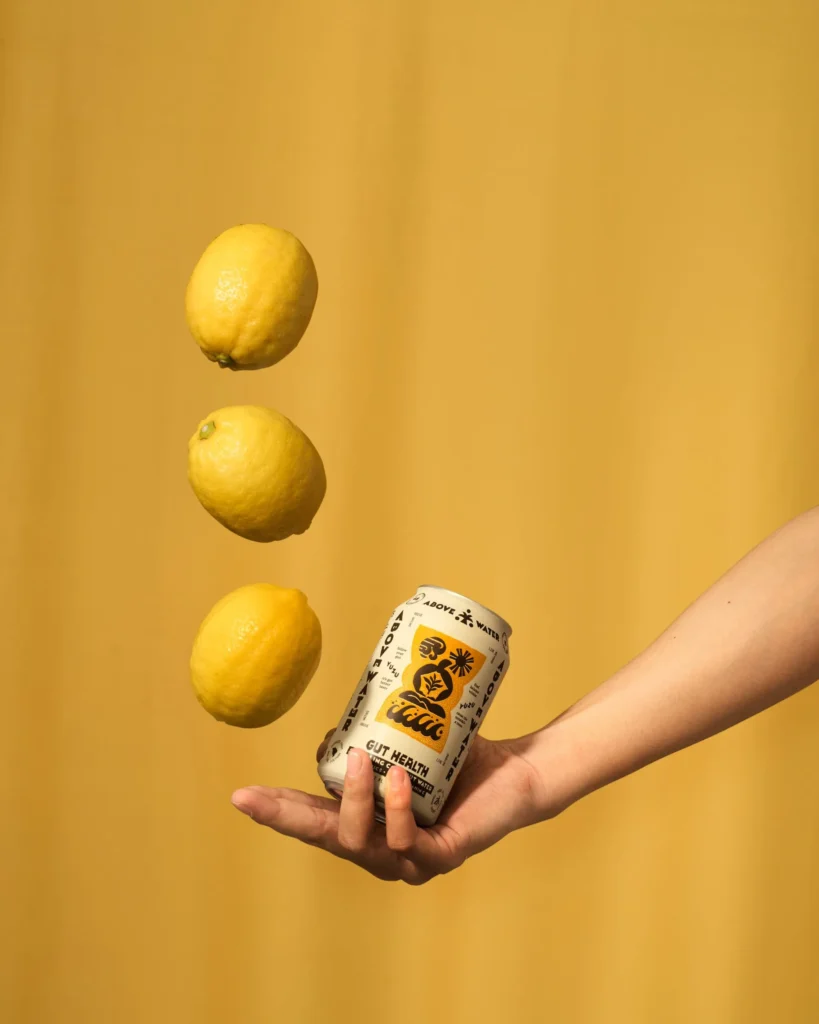
For someone picking up a can for the first time, which flavor would you recommend they start with, and why?
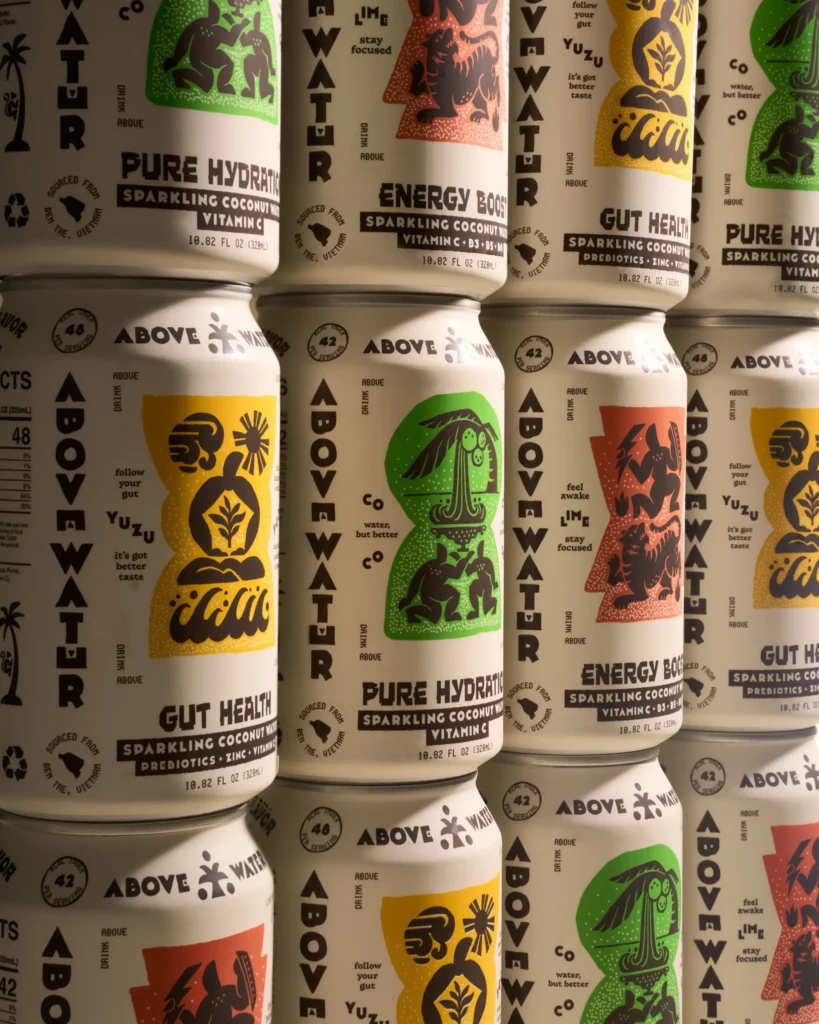
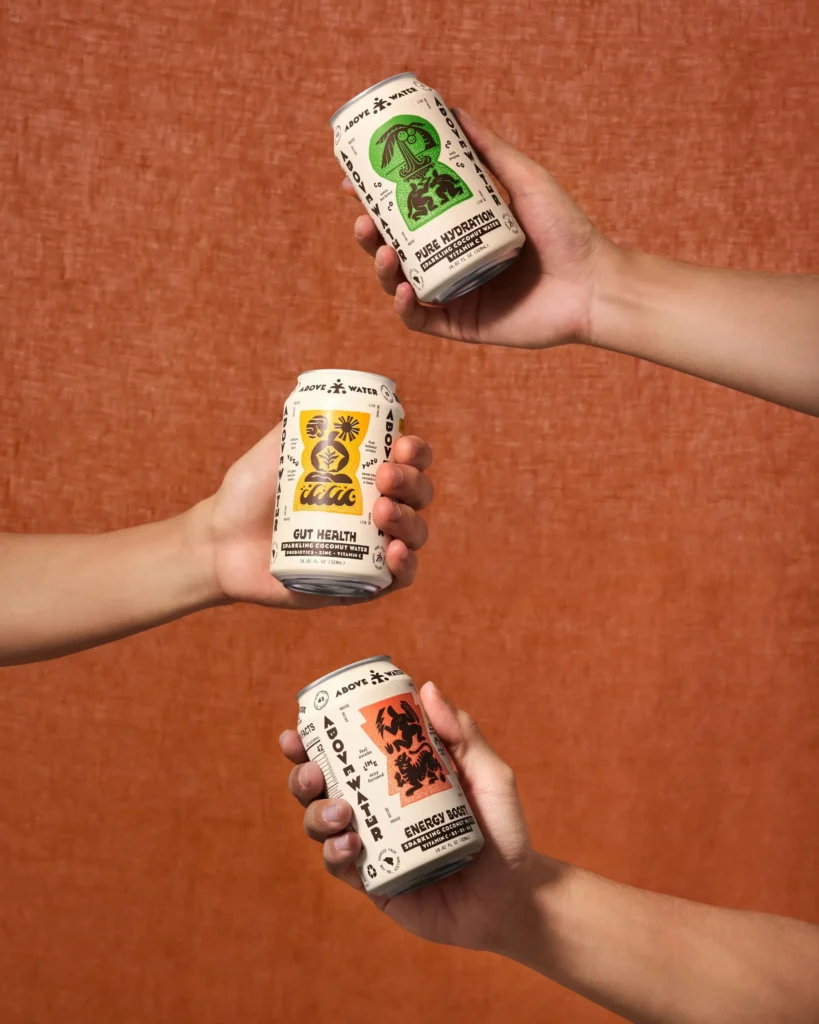
Personally, my favorite is ENERGY BOOST — our lime-flavored SKU with multiple B vitamins. I work out almost every day, so it naturally fits into my post-workout recovery routine.
That said, according to our sales data so far, PURE HYDRATION has been the most popular among customers. Since it expresses the original coconut water taste most clearly, I think it serves as the easiest entry point for people trying carbonated coconut water for the first time.
GUT HEALTH has also been especially well received by many female customers. It has a slightly sweeter yuzu profile, which makes it feel softer, more refreshing, and very approachable. With prebiotics, zinc, and vitamin C, it also feels very aligned with the kind of daily wellness routine many consumers are looking for today.
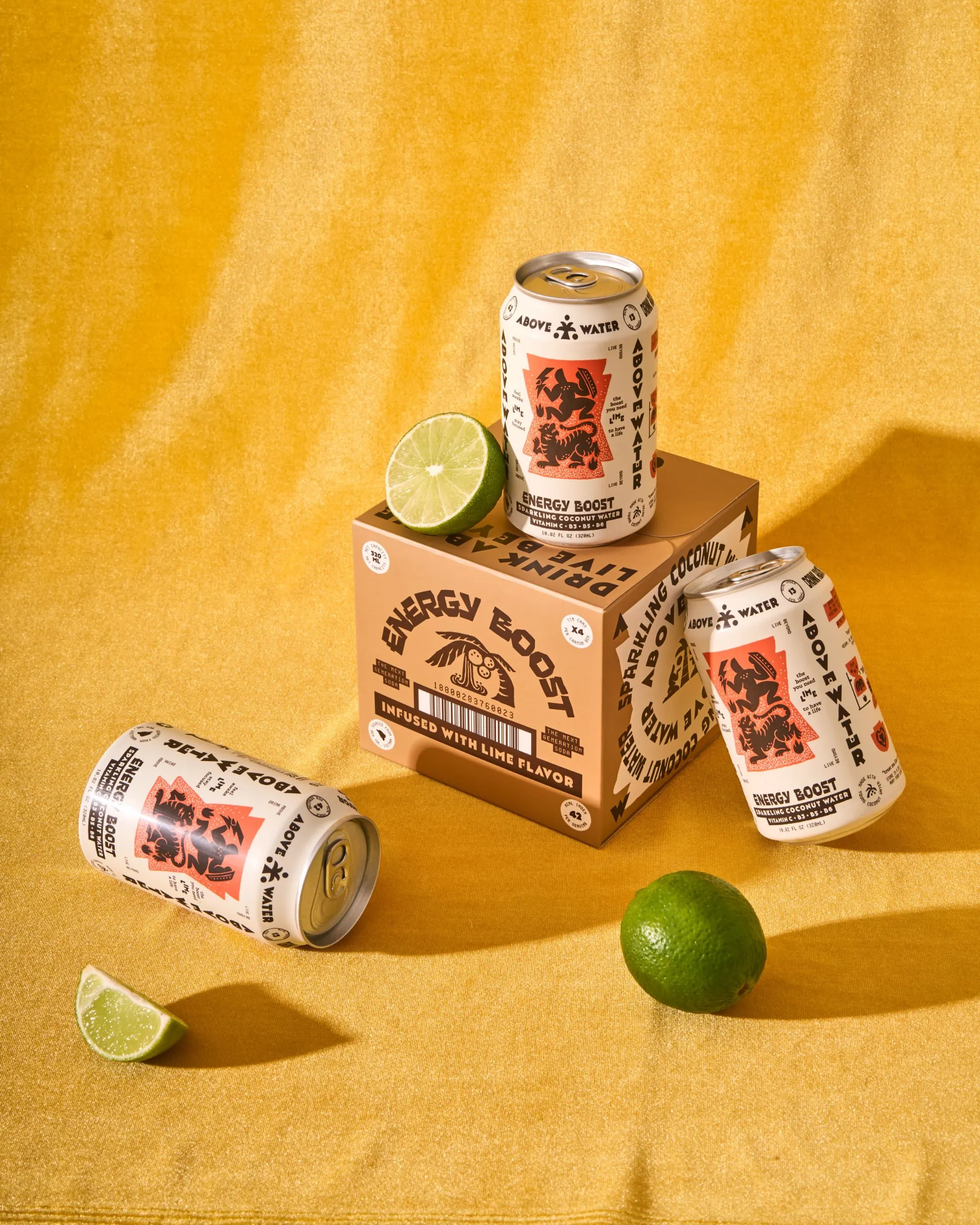
ABOVE WATER – Sparkling Coconut Water
179.000₫Naturally rich in coconut minerals, lightly carbonated, no added sugar
Come in a pack of 4
ABOVE WATER – Sparkling Coconut Water
Naturally rich in coconut minerals, lightly carbonated, no added sugar
Come in a pack of 4
Your path to founding ABOVE WATER wasn’t exactly linear. How did your experiences in consulting, K-beauty, and living across Korea, the U.S., and Vietnam shape the way you approach building a brand?
I think one of the reasons I was able to build ABOVE WATER with a fresh perspective is actually because I did not come from the beverage industry.
My consulting background has helped me a lot in terms of how I manage the company — strategy, operations, structure, and decision-making. My experience in K-beauty, especially working as a marketing team leader, taught me how to think about brands more emotionally: how to communicate with customers, how to create desire, and how to build something people want to be part of.
But when I started developing ABOVE WATER, I tried to look at the beverage industry very much from the perspective of a normal consumer. I would go to convenience stores and premium grocery stores almost every day, but I rarely found a drink brand that truly pulled me in.
I have always loved carbonated drinks, but whenever I thought about health, I would usually end up choosing sparkling water instead. There was always a gap between what I wanted emotionally and what I felt comfortable drinking physically. That personal tension became a big part of ABOVE WATER. I wanted to create a drink for people like me — people who enjoy the pleasure of soda, but also want something lighter, more thoughtful, and more aligned with the way they live today.
You’ve chosen to build this company in Vietnam rather than Korea. What keeps you excited about living and working here?
Earth Made Company Limited, the company behind ABOVE WATER, currently operates through both Korea and Vietnam. Structurally, our Vietnam company is a 100% subsidiary of our Korean entity. But emotionally and creatively, Vietnam is the heart of the company.
What keeps me excited about Vietnam is that it feels unlike anywhere else. There is a special kind of energy that only exists in a country that is still growing — the sense that things are moving, changing, and being built in real time.
Vietnam also has almost everything I find exciting as a founder: an abundance of high-quality natural ingredients, a young generation that is eager to learn and grow, and a consumer market that is becoming more open, more curious, and more modern. For a brand like ABOVE WATER, that combination is incredibly powerful. Vietnam is not simply a place where we do business. It is the place that gives the brand its ingredients, its rhythm, and much of its identity.
From your perspective, how is Vietnam’s wellness market changing, and what opportunities do you see emerging over the next few years?
Vietnam is a country that is very open to new cultures. Of course, tradition is still very important here, but when it comes to consumer products, people adopt new ideas very quickly. That also means competition is extremely intense. Many brands appear quickly, but many also disappear just as quietly. I think this applies not only to beverages, but to restaurants and the broader F&B (food and beverage) market as well.
From my perspective, Vietnam’s wellness market will continue to grow. As consumer spending power increases, people’s lifestyles and expectations will become more refined. They will also become more analytical about what they consume — not only looking at branding or packaging, but also ingredients, nutrition, sugar content, and the real value behind a product.
Because of that, I believe brands that rely only on marketing gimmicks or simply “look healthy” will have a harder time surviving. Consumers are becoming smarter. They will eventually recognize the difference between brands that only talk about wellness and brands that are actually built with honesty, quality, and intention.
I have never wanted ABOVE WATER to become just a trendy brand. My goal has always been to build a brand that lasts throughout decades. That is how we operate today, and that is also how we will develop future products. Instead of simply chasing trends, we want to keep asking one question first: what do consumers genuinely need?
Looking ahead, what consumer trends do you think will have the biggest impact on the future of food, beverage, and wellness in Vietnam?
I think the first major wellness trend in Vietnam will be no-added-sugar and zero-sugar food and beverages. After that, I believe gut health will become much more important. In markets like the U.S., Japan, and Korea, there are already countless products built around zero sugar, probiotics, prebiotics, postbiotics, and digestive wellness. Sleep is also becoming a major topic in those markets.
Vietnam has the manufacturing capability to follow many of these trends. But one challenge is that some of the functional ingredients that are popular overseas are still not easy to source locally. For that reason, I think Vietnam’s wellness market will continue to follow some of the trends coming from the U.S., Europe, Japan, and Korea for the next few years.
For example, in the U.S., many next-generation sports hydration brands are now using high levels of sodium and positioning it as a serious performance benefit. Ingredients like creatine, or more advanced cognitive health ingredients such as Cognizin, have also become much more common in global wellness and performance products. These trends will probably continue to be led by more developed markets for some time.
But the more important question is: how can Vietnam eventually lead, rather than simply follow?
I believe the answer lies in natural ingredients. Vietnam has an incredible abundance of fruits, herbs, botanicals, and agricultural ingredients that the country can be proud of. If those ingredients are studied more deeply, scientifically analyzed, and developed with the same level of precision as global functional ingredients, Vietnam has a real opportunity to create its own wellness language.
The future should not only be about importing trends from overseas. It should also be about proving the value of what Vietnam already has — and presenting it to the world through thoughtful product development, science, design, and refined marketing.