Adaptability is one of the most important things I’ve learned. When you go to a new country, you lose your culture, your history, your food, your community. You have to figure out who you are in that new place. Sometimes, we don’t realize until much later how much we lose through assimilation. Every time I’ve moved—from Vietnam to America, America to Hong Kong, and eventually back to Vietnam—I’ve had to go through that process again.
There is a core inside of us that doesn’t change. I still see myself as that skinny 12-year-old kid from Da Lat. Even when I’m confused and trying to figure out what I should do, that little boy inside me stays constant.
Some of the worst things that happen to you can turn out to be blessings in disguise. When I got fired from my job, I thought, Oh my God, my life is over. But I came out of it going in a much better direction. And sometimes you need to get kicked in the ass before you do something seriously scary. I probably would not have voluntarily left investment banking to become a chef. I was making a lot of money. I had a big office and a big title, and all those privileges became golden handcuffs.
Sometimes when you have no choice, you finally learn what you’re capable of. It’s like getting thrown into a swimming pool: you learn to swim. You have to believe that you are strong enough to overcome what happens to you. There’s no guarantee that you can do it this time, but you can look back and say: I have overcome difficult things before. I can overcome this one too.
A lot of us know there is something else we want to do, but being responsible can sometimes mean postponing it. When you have a family and kids, it’s harder to take a risk on something that might not succeed or make money. Sometimes you become a banker or a lawyer because you’re trying to fulfill your responsibilities, not because that is the only thing inside you. That thing can sit inside you for years before everything finally aligns.
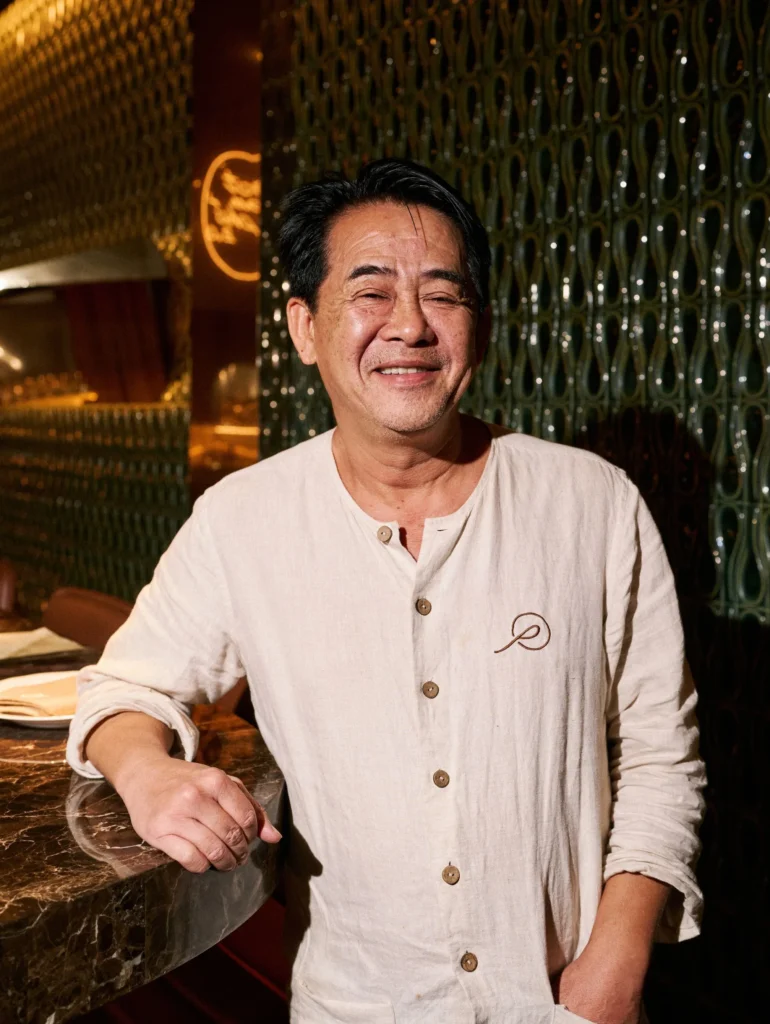
When I came back to Vietnam, I came back with almost a blank slate. My family was no longer here, I had gone through a divorce, lost the business there and sold everything. I came back with a backpack and had to ask myself: Okay, Peter, what are you going to do with yourself now? Coming back meant figuring out two things at once: what is this place now, and who am I now? A lot of overseas Vietnamese go through that process when they return.
I understand Vietnam through food. When I eat a dish or make a dish, I’m learning not only about the dish but about Vietnamese people: Why did they make it? Why did they eat it this way? Through that process, I discover something about myself too. There is the traditional dish I encounter and then the modern version I create from it. Every time I go through that process, I understand Vietnam a little more and I understand myself a little more.
Looking back at your old work is a good way to realize how little you knew. I can look at dishes from five or ten years ago and think, Holy shit. You realize you didn’t know anything; you were just trying to figure it out. But you don’t need to know everything at the beginning, you need a foundation. Ten years later, the restaurant has evolved enormously, but the core idea was already there. We became better at executing it; we didn’t have to invent an entirely different identity.
In the beginning, sometimes the most important thing is simply believing long enough. For the first six months, we had almost no customers. If we had given up then, none of what happened afterward would have been possible.
Limitations can help define what you become. My first restaurant in Hong Kong was tiny, only about 20 or 25 seats, and we didn’t have room to make phở or bánh mì. We had a small grill, so we started doing grilled dishes—and some of those practical constraints helped create the restaurant’s identity.
Freedom was one of my rules from the beginning. I wanted financial freedom, creative freedom and personal freedom. I wanted to be able to make my own decisions and, as much as possible, control the direction of my life.
If something can be done today, do it today. One thing I’ve tried to build into the restaurant is a sense of urgency. After almost 10 years, that becomes part of the DNA of the team.
Consistency doesn’t mean doing the same thing forever. We’re constantly testing: three kinds of fish, different techniques, different ingredients, and then comparing them. The principles stay consistent, but you should always be trying to become better than before.
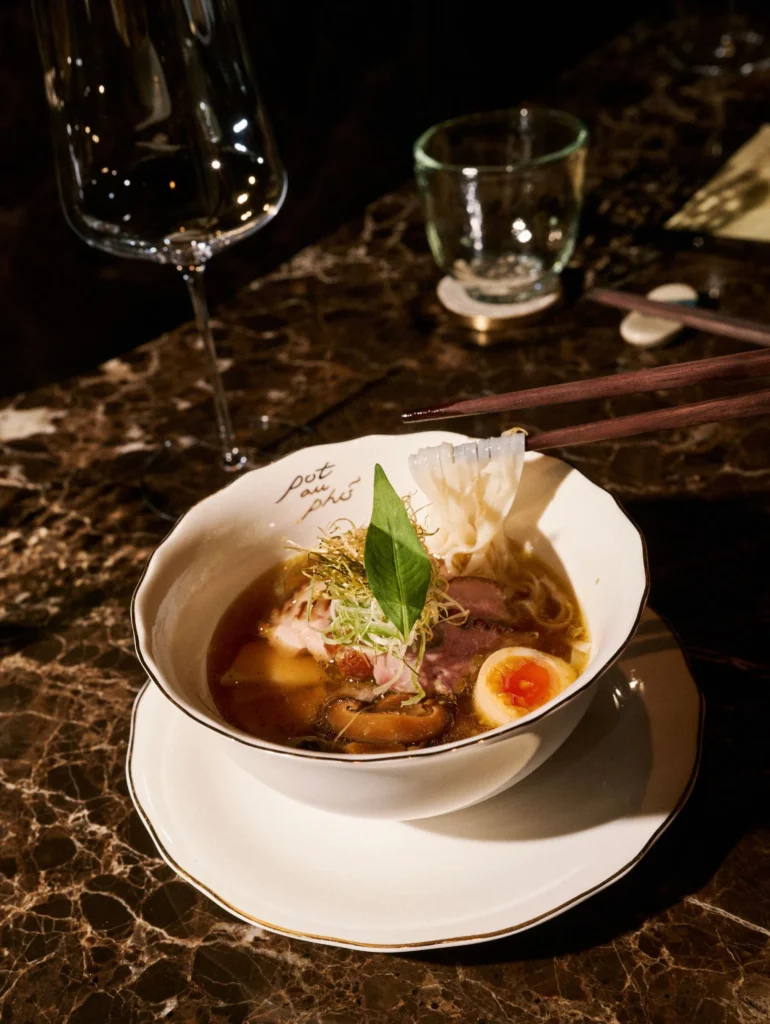
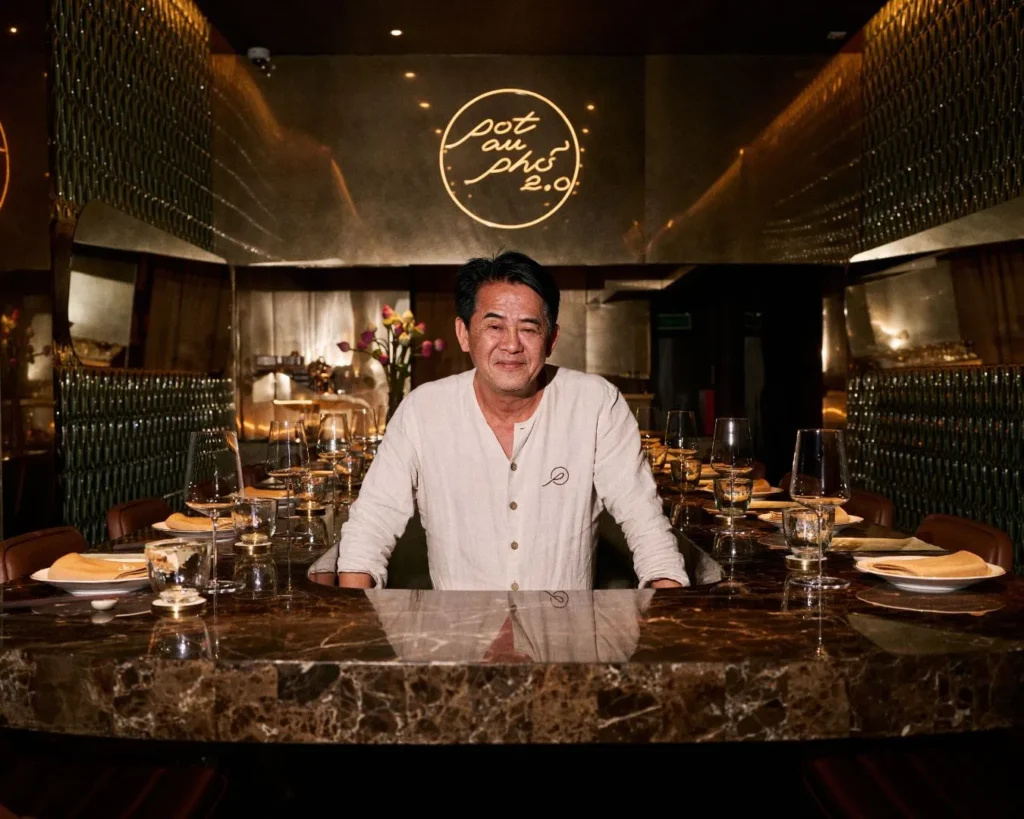
Success creates a new kind of problem: expectation. When AnWan suddenly became number one on TripAdvisor, people lined up outside and we weren’t ready. We got slammed and killed because our ability to handle the volume hadn’t caught up with what customers expected. After the Asia’s 50 Best and Michelin lists, things changed again. Now, people arrive with Michelin in their eyes before they even know what we are. And sometimes they’re not what we expect. We’re located inside a wet market, the tables are small, we’re noisy, the service is casual. The challenge was improving enough to meet higher expectations without losing who we were.
Sometimes you have to take a good dish off the menu because it isn’t consistently good. Our sườn nướng was one of the dishes everybody wanted, but if five people ordered it, one or two might not be perfect. Because it wasn’t right. But we kept learning, found a better way to make the kho sauce, and changed the cut from tenderloin to shoulder. Years later, we were finally able to bring it back.
The simplest things can be the hardest to get right. A drink with black tea, honey, lime and gin sounds very simple, but getting the bitterness, tannin, sweetness and acidity into balance is extremely difficult. After 10 years, we still make adjustments.
Balance is something you never completely finish. Ingredients change, suppliers change, the person making the dish changes. Sometimes you’re standing on a wire, constantly making small adjustments to stay in the right place.
A recipe can only take you so far—sometimes the human matters more. For example, our fried rice depends on the person working the wok—the amount of sauce, the seasoning, the texture, the heat. Some things depend on skill and judgment in a way that is almost impossible to write into a recipe.
Success can make you afraid to take risks. My fear is that recognition could restrict my creativity because suddenly I’m worried about whether everything I try will be good enough. I have to balance that responsibility with maintaining the freedom to experiment, take risks and fail.
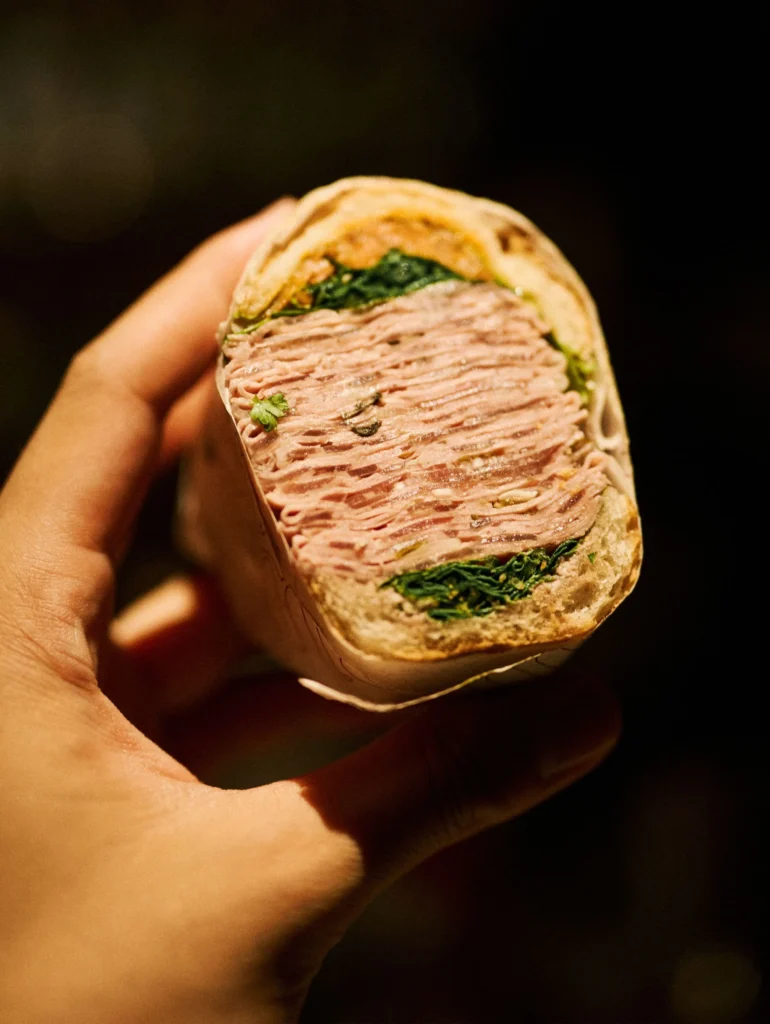
Creative work is personal because part of yourself is inside it. Whether you’re cooking, writing or taking photographs, you put something of yourself into the work. So when somebody criticizes it—especially when they don’t understand where it came from—it can hurt.
You need a thick skin to survive criticism, but you need sensitivity to create. That’s the difficult balance. I don’t want to become so hardened by complaints that I become cold or lose the ability to feel things. I don’t want to lose my humanity.
Feedback hurts less when you treat it as information. Negative reviews hurt. But we take feedback from every customer and I get a report every day because we need data and customer input to improve. You don’t have to agree with everything, but you should understand what happened.
Any problem can be useful if it teaches you how to become better. That’s something I try to teach the staff as well: we’re not perfect, and we never will be. But every problem gives us another opportunity to improve.
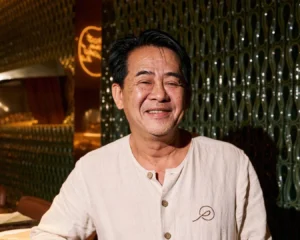
Photo by Alex Yem