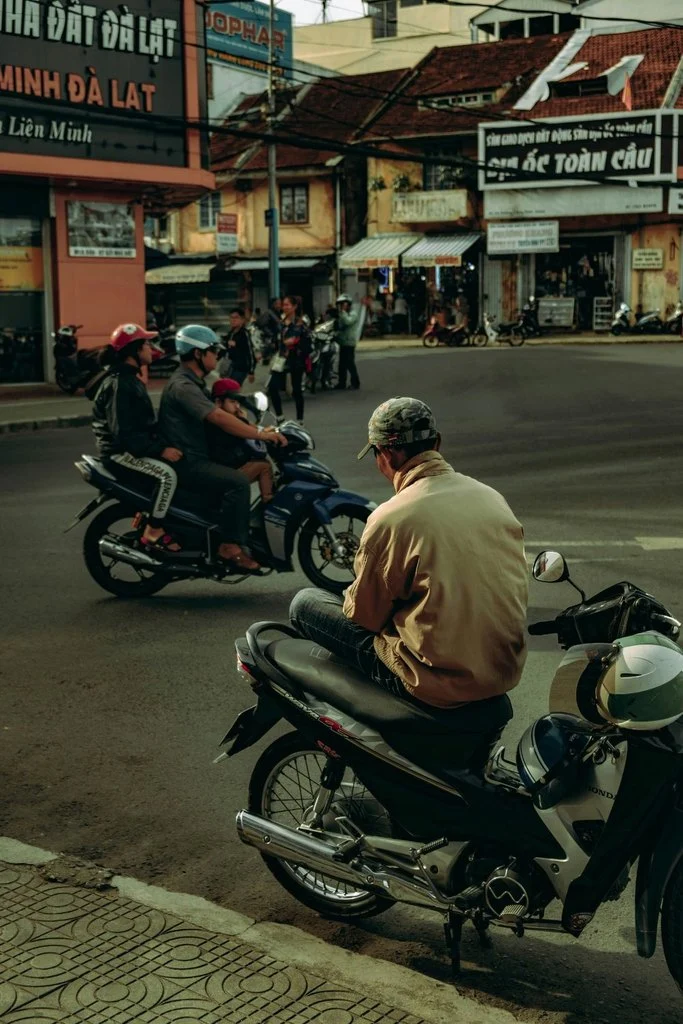
On my earliest trips to Vietnam, my parents would hail a xe ôm and lift me onto the back. Growing up in the U.S., I’d never experienced anything like it. They’d tell me to wrap my arms around the older driver and hold on tight before handing him a bit of cash as a tip—and an act of trust in a stranger.
For many Saigonese, the xe ôm belongs to a different era of the city. Hopping on the back of the bike meant you might be chatting about football, the weather, the price of gold, or whatever had happened that morning. Regular drivers became familiar faces who knew every shortcut and every flooded street. Between passengers, they’d nap in hammocks strung between trees, waiting for the next fare. They were just part of the fabric of the neighborhood.
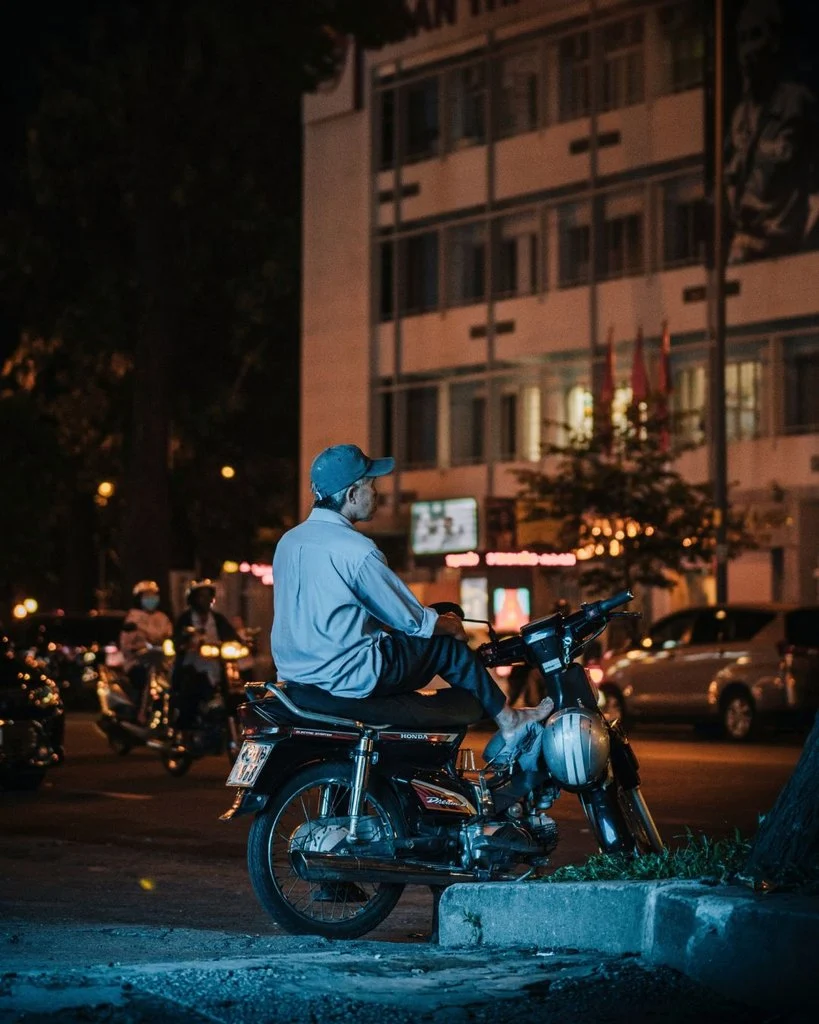
Around a decade ago, ride-hailing apps changed all that. It was a natural progression. Getting around became faster, safer, and more convenient, and few of us would willingly go back. But over time, the ride itself became quieter. Drivers in matching jackets became both ubiquitous and invisible. A notification replaced a greeting, automatic payment replaced the exchange of cash, and a five-star rating replaced the conversation. The technology didn’t just remove the hassle of finding a ride—it also stripped away many of the small interactions that once came with it.
Once I started noticing that, I began seeing it elsewhere. The bảo vệ who greets me every morning outside our office. The woman at the neighborhood phở shop who knows my tái bò viên, thêm tái before I reach the counter. The delivery rider arriving soaked after an afternoon downpour. They’re all still there. But when every service is designed to be faster, more seamless, and mediated through an app, it’s easier to overlook the people providing it.
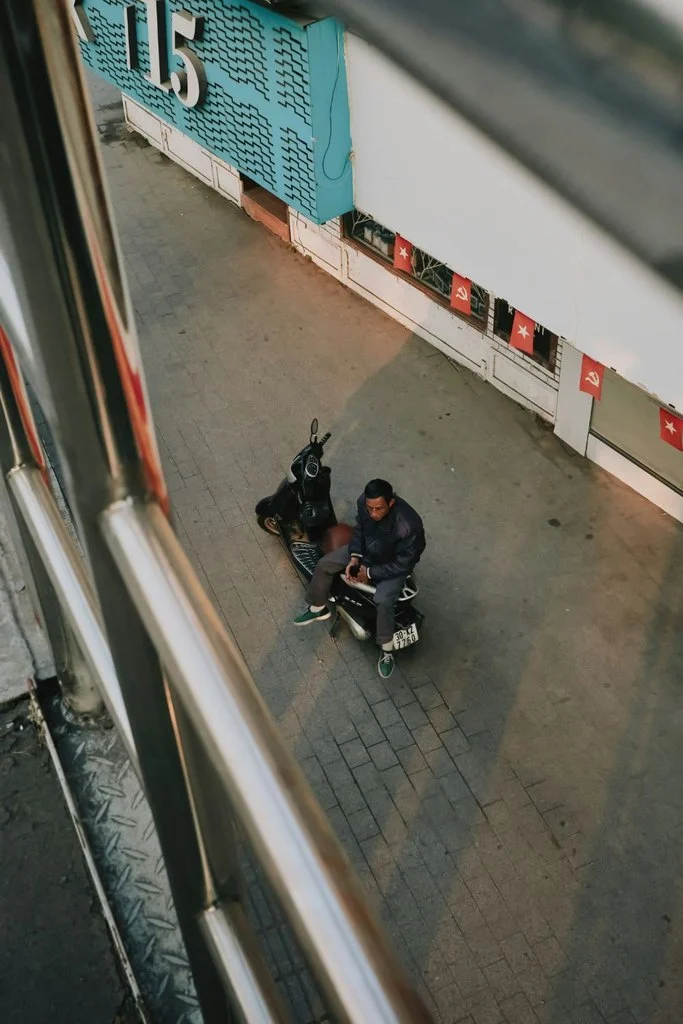
It’s not just Saigon. Modern cities are built around what urban researchers call “familiar strangers”—the people we recognize but rarely know by name. Those repeated, everyday encounters help foster a sense of belonging, even if they never become friendships. As technology streamlines daily life, it’s worth asking whether we’re paying less attention to the people who quietly keep our cities running.
That’s why tipping still matters. Not because Vietnam should adopt an American-style tipping culture—it shouldn’t. Service workers deserve fair wages, and no amount of individual generosity can replace fair labor policy, corporate responsibility, or proper compensation.
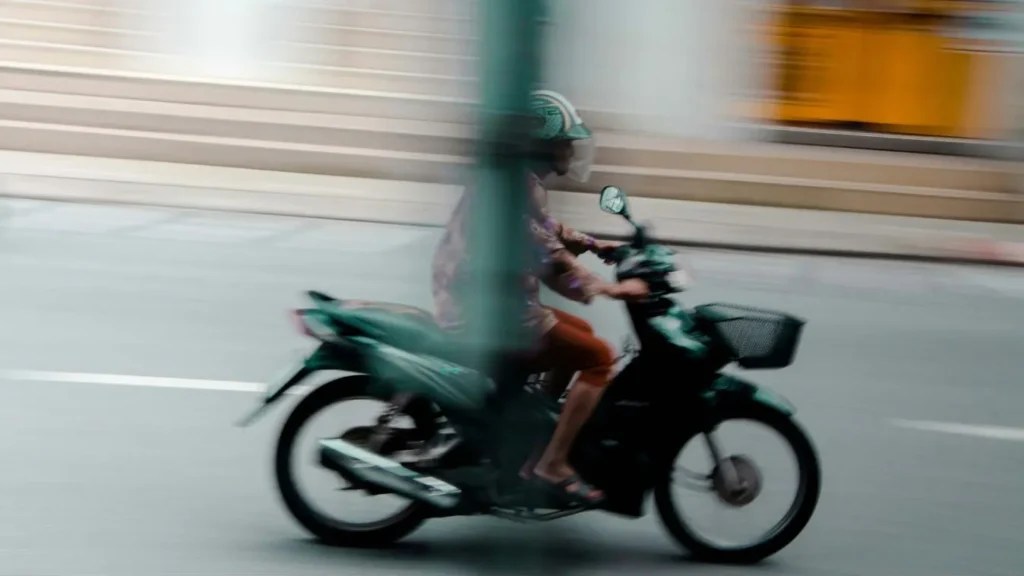
But we should demand better systems while also choosing to be more generous in our everyday lives. A tip simply acknowledges the person behind every ride, delivery, or cup of coffee. Maybe that means tipping your driver after a ride through the rain, or slipping the bảo vệ a little tiền cà phê before Tết. And if you don’t believe in tipping, that’s fine too. Eye contact, a smile, and a genuine cảm ơn can be just as meaningful.
Vietnam is becoming smarter, faster, and more connected every year, and that’s worth celebrating. But progress doesn’t have to come at the expense of generosity. The apps may have changed how we move through the city; they don’t have to change how we treat people.