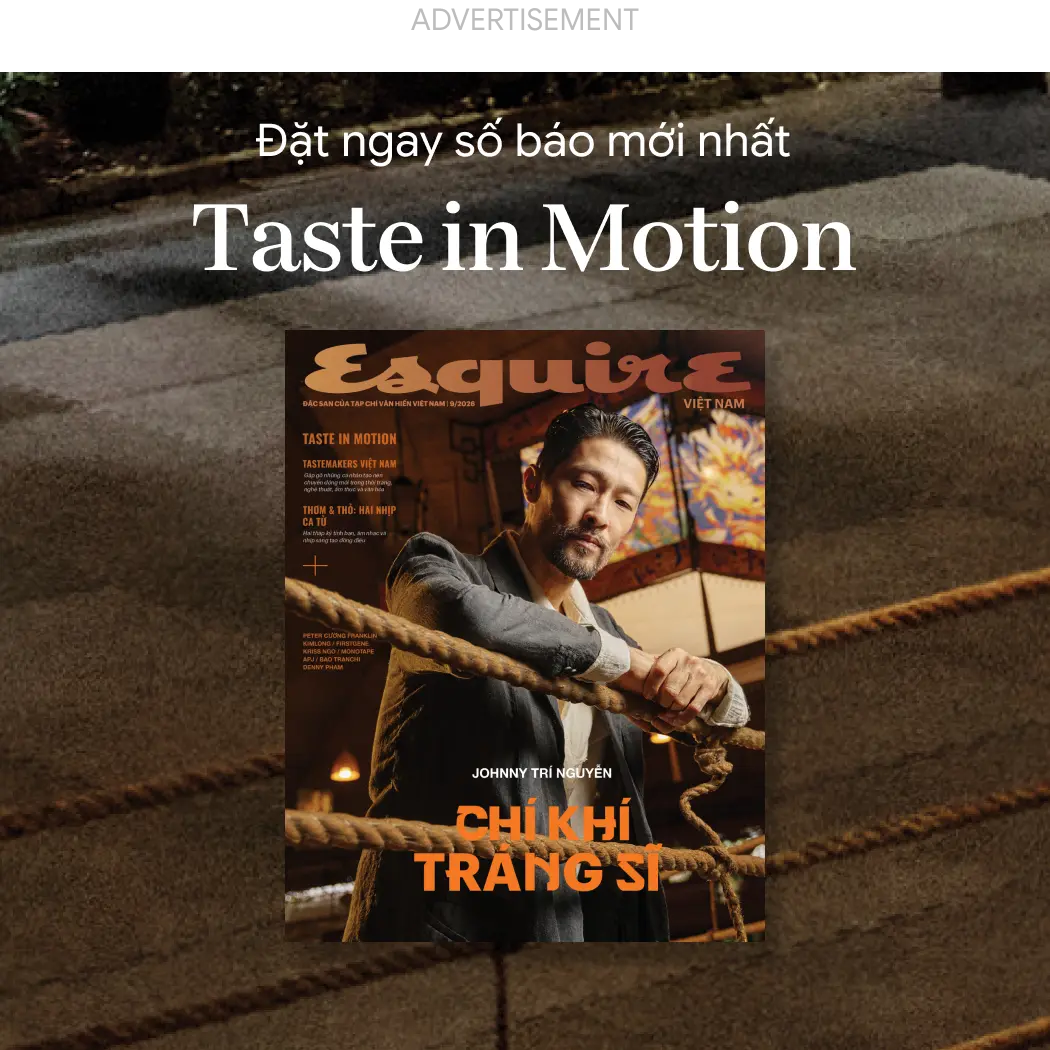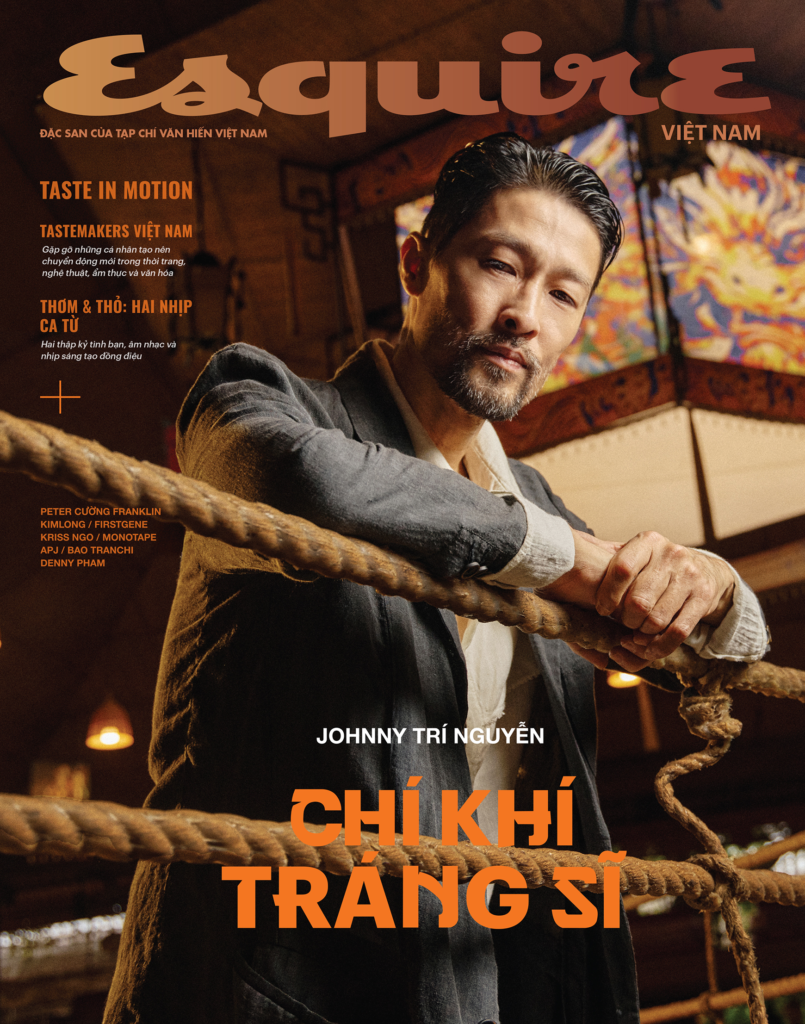
It was a stormy summer evening in Hồ Chí Minh City when I made my way to Võ Đường Liên Phong to meet Johnny Trí Nguyễn. Getting a hold of the iconic actor had been a challenge, and neither the dreary weather nor the fact that I was about to meet my first-ever idol helped my nerves. (Yes, my mom has a video of three-year-old me singing and dancing along to Johnny’s hit track, “Vietnamese Boy,” on repeat.)
I found Johnny at the training center’s café, dressed in sporty all-black, staring into the distance. Unlike the animated performer I remembered growing up watching, the man before me was reserved and elusive. Getting to know him, I quickly realized, would be harder than I had anticipated.
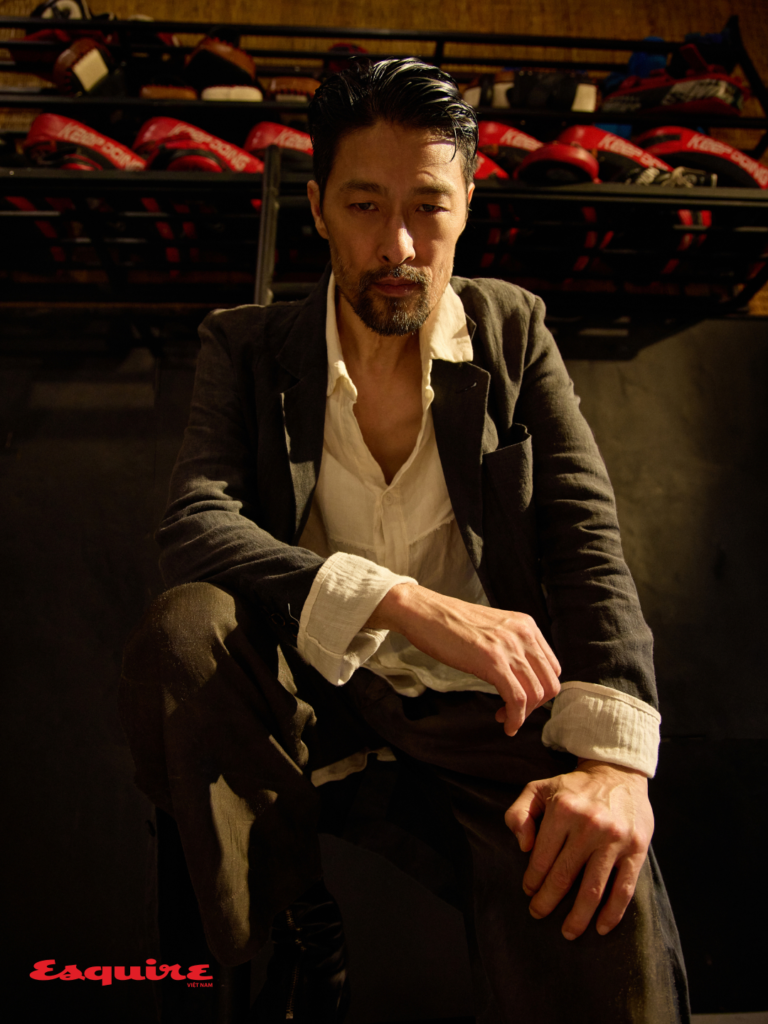
The setting offered one way in. Born in Vietnam and raised in the United States, Johnny comes from a storied martial arts lineage. His grandfather, Sư tổ Nguyễn Chánh Minh, known as “Nhạn Trắng Cà Mau,” founded Liên Phong, a system combining Vietnamese, Chinese, and Cambodian disciplines. Today, Johnny carries that legacy forward at his Hồ Chí Minh City school, incorporating modern MMA while training a new generation of fighters.
Martial arts have always run parallel to Johnny’s life on screen, but his career has taken a circuitous path. He performed as a singer in the overseas Vietnamese entertainment scene, then did stunt work in Hollywood, including Spider-Man 2 and Mortal Kombat: Conquest, before returning to Vietnam and helping shape its modern action cinema through films including Dòng Máu Anh Hùng (2007) and Bẫy Rồng (2009).
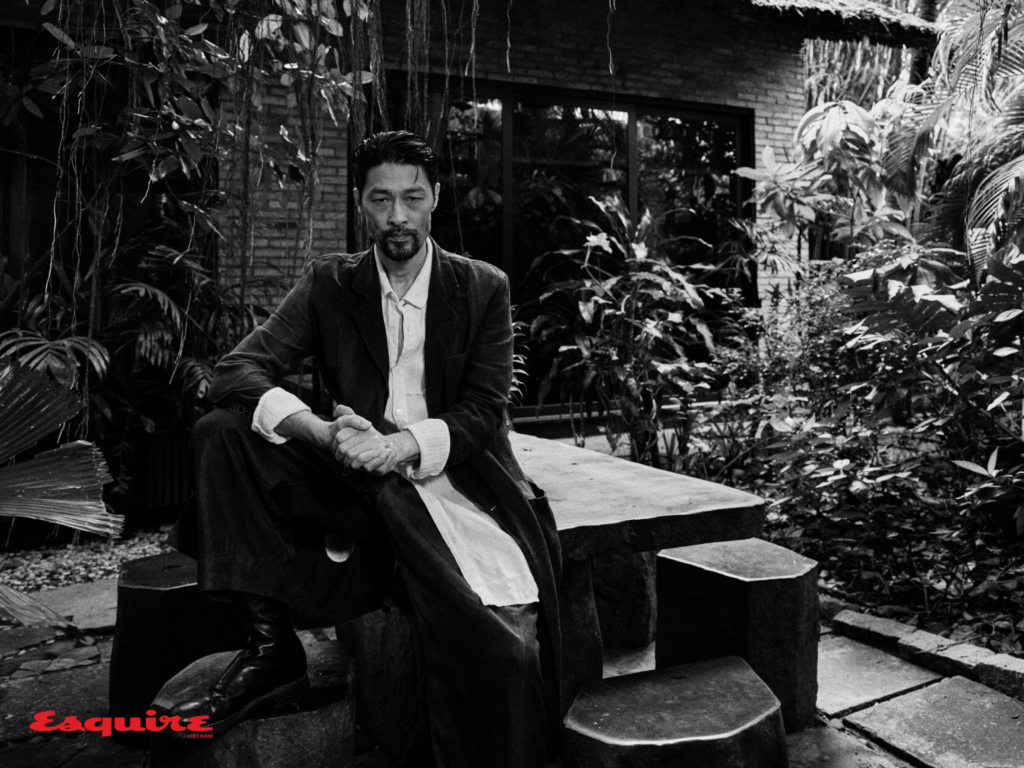
For nearly a decade, however, Johnny has largely stayed away from the big screen. When I ask what he’s been up to during his hiatus from showbiz, he laughs. He has hardly been idle, devoting much of his time to Liên Phong and organizing MMA competitions for the community.
“I’m not financially worried about myself. I’m always looking for something to give,” he says. “For instance, I don’t really care about vacations or fine dining because that’s something only I can enjoy. But doing something that makes people smile, seeing their enthusiasm, or feeling the energy of teamwork—that fills my cup.”
I want to wake up this warrior spirit. It’s something I find lacking in our world today.
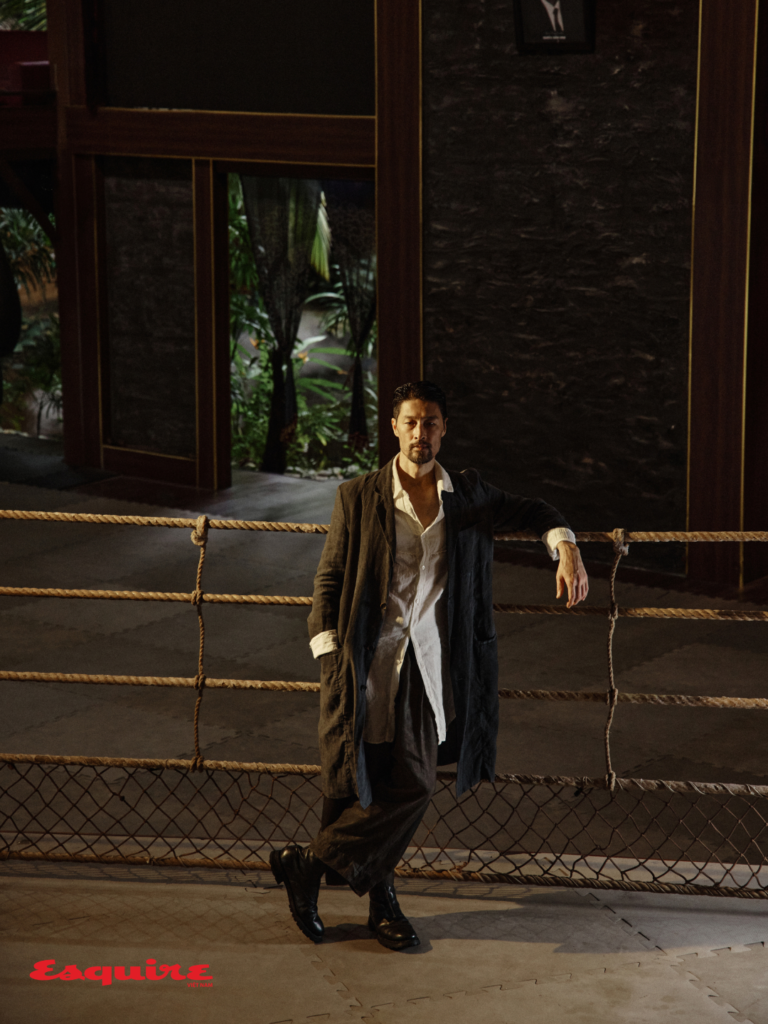
The years away seem to have sharpened a philosophy forming throughout Johnny’s life. As he returns to cinema, he speaks less about achievement than what decades of discipline have taught him—and what he hopes to pass on. “I want to wake up this warrior spirit,” he says. “It’s something I find lacking in our world today. When you don’t have that energy, you become short-sighted and start looking for shortcuts.”
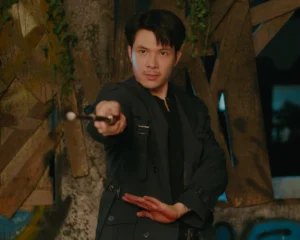
That philosophy explains why Hộ Linh Tráng Sĩ (2026) finally drew Johnny back to the big screen, both as action director and as Hữu Tướng Quân. When director Nguyễn Phan Quang Bình approached him, Johnny was attracted not by the prospect of a comeback, but by the difficulty of what Bình was attempting.
“I said, ‘Who in their right mind would put up with such a big challenge?’ But that’s exactly what attracted me—the grandeur and epic feel of the story.”
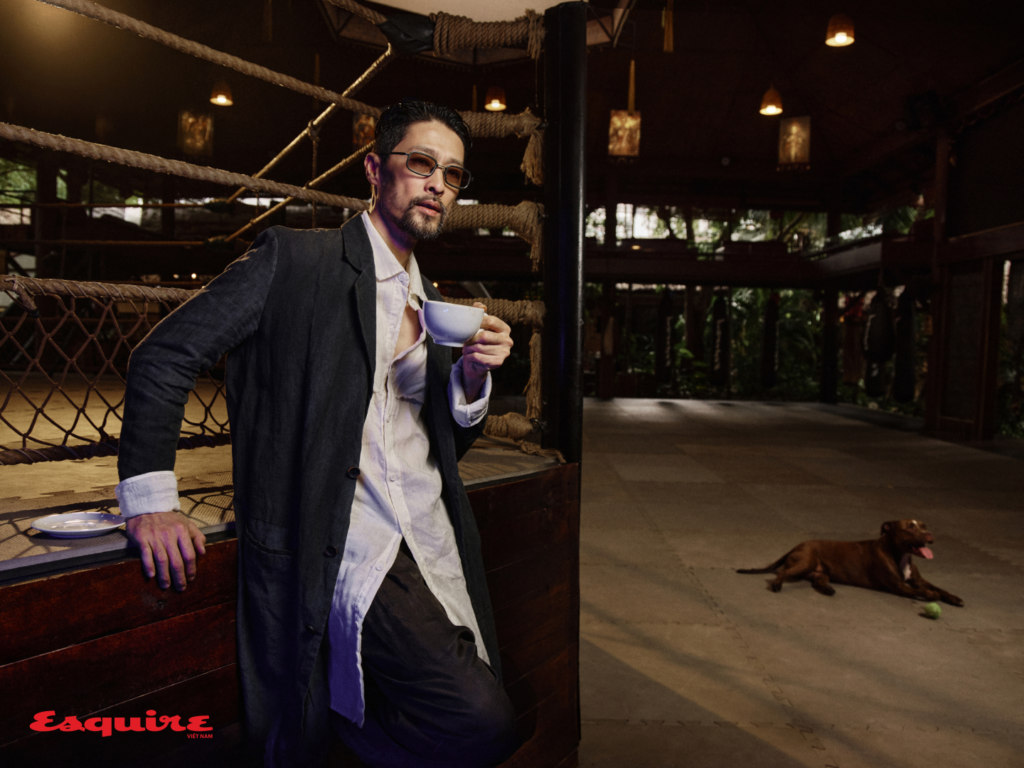
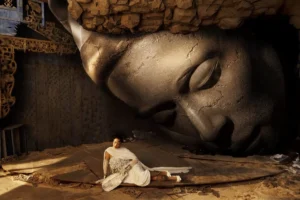
Set in Đại Cồ Việt, Hộ Linh Tráng Sĩ is a historical epic unfolding after King Đinh Tiên Hoàng’s death. A group of warriors is entrusted with transporting the king’s coffin while 99 decoys travel along seven routes to mislead their enemies and conceal his final resting place.
Johnny’s big brother, director Charlie Nguyễn, was already involved as a script advisor, while Bình sought Johnny’s expertise for the film’s extensive action. Together, they embraced Ninh Bình’s natural landscape and practical stunt work rather than relying heavily on CGI or AI-generated imagery.
I only want to spend my energy on something challenging. Otherwise I get bored.
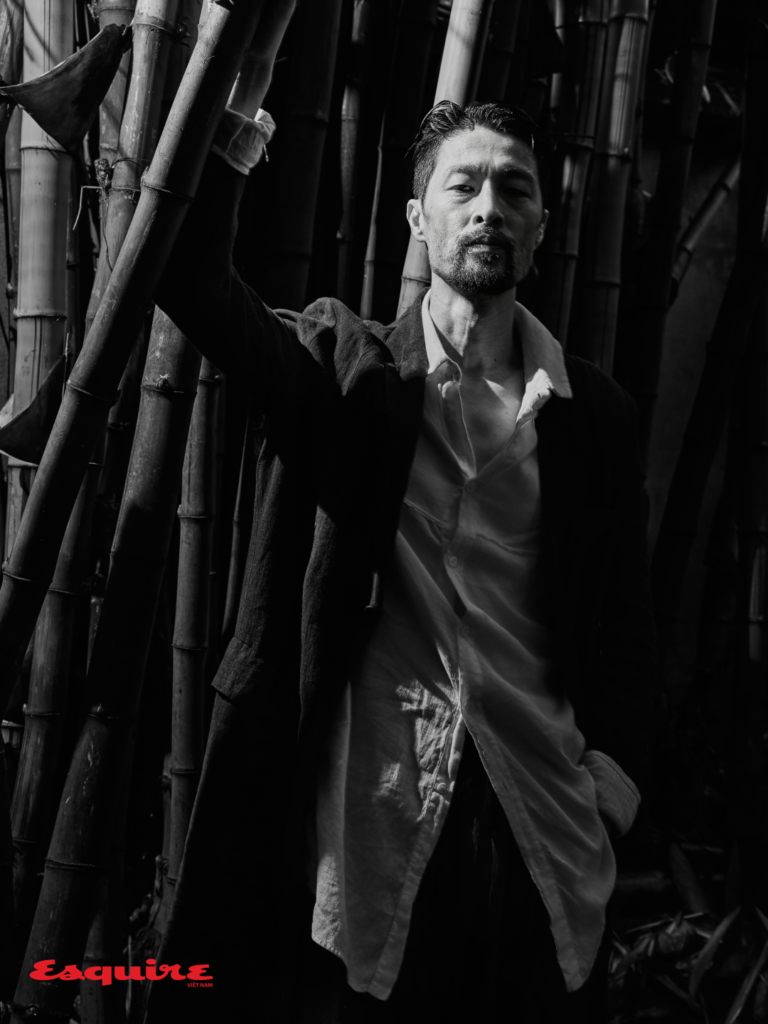
Johnny estimates the film contains roughly twice as many action sequences as a typical production of its kind. That was precisely the appeal. “I only want to spend my energy on something challenging. Otherwise I get bored. I lose my drive and it feels draining. For me, I only go big or go home .”
Months before cameras rolled, Johnny put Trần Thiên Tú, who plays An Nhiên, and Tuấn Trần, who plays tráng sĩ Nguyên Phong, through six months of training at Liên Phong, preparing them to perform their own sword fights and combat sequences alongside martial artists Trần Quang Lộc, Trương Vi Nhạt and Hiền Ngô.
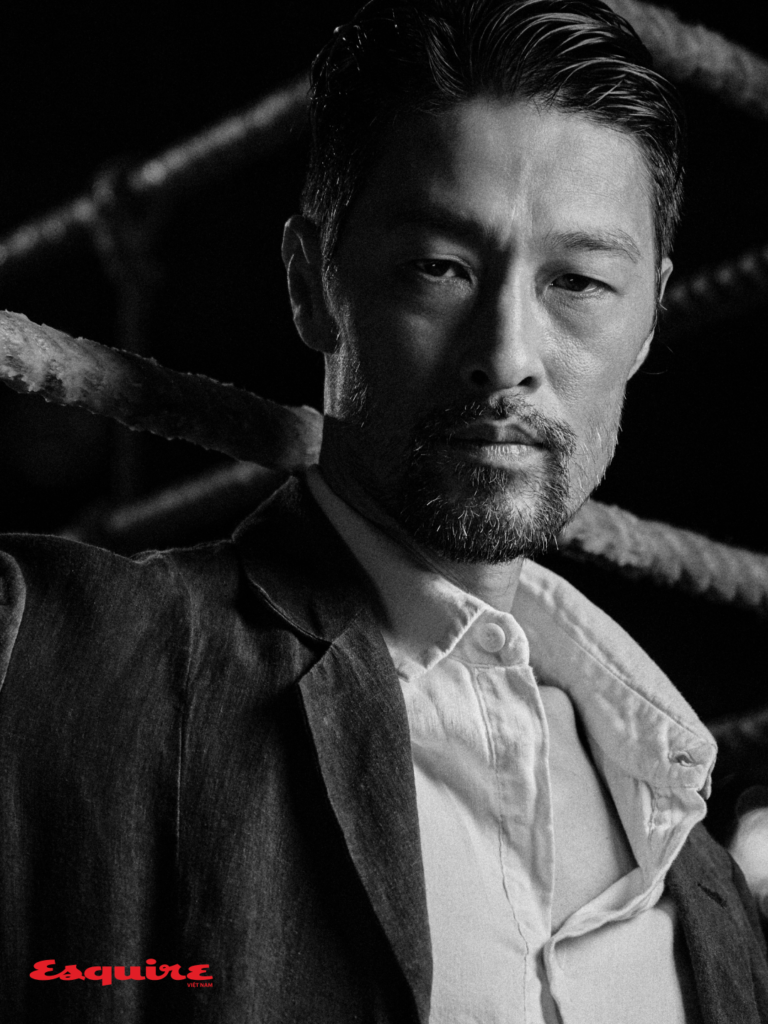
Johnny wasn’t simply teaching choreography. He wanted the actors conditioned physically and mentally as warriors; bruised legs, cuts and torn muscles became part of the process. “When you take shortcuts for a quick reward, you’re always on shaky ground. You need a challenge to overcome the level of plateau and get out of your comfort zone in order to excel.”
He brought that same rigor to his performance as Hữu Tướng Quân—not just physically, but also in the craftsmanship of building a character. Playing a senior military official whose loyalty to the empire is rooted in sacrifices made in its service, Johnny constructed an elaborate backstory and rewrote much of his dialogue in favor of a “show, don’t tell” approach, giving himself room to experiment without losing sight of the character.
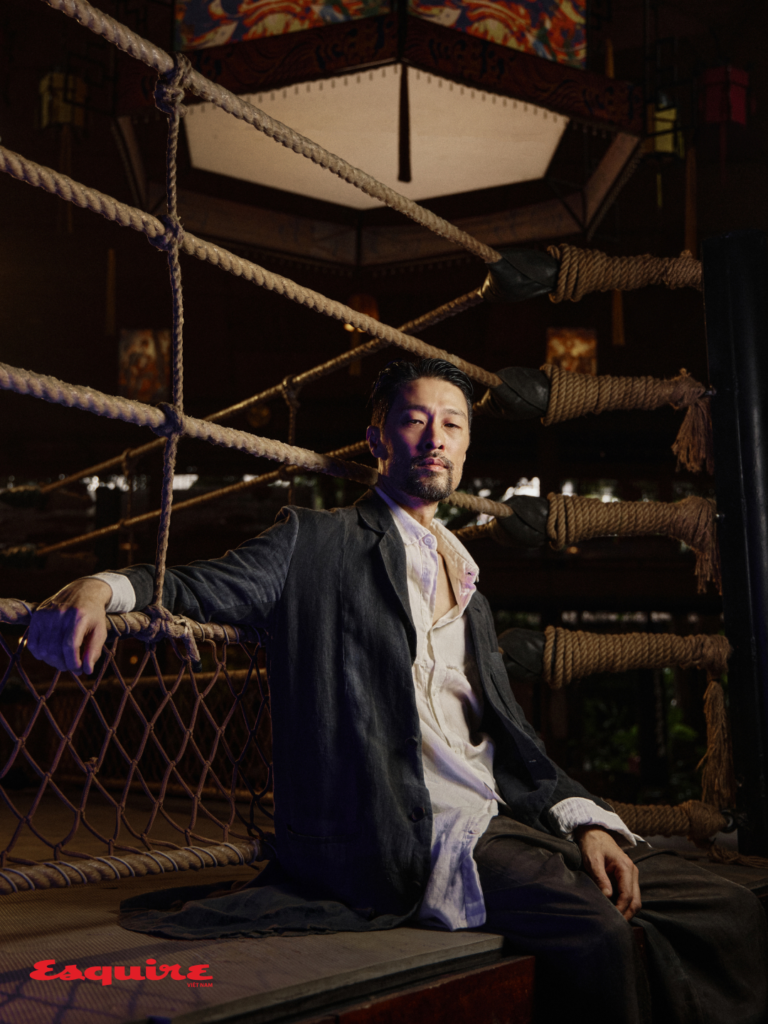
“Actors aren’t puppets,” he explains. “I love it when actors have a point of view. That’s what creates depth and motivation.” In Hữu Tướng Quân, Johnny found a character who reflected his own convictions. He is drawn to stories where individual desires give way to duty and collective sacrifice—a sensibility he believes resonates particularly in Asian storytelling and helped Dòng Máu Anh Hùng connect with Vietnamese audiences.
Actors aren’t puppets. I love it when actors have a point of view.
“The sacrifice Hữu Tướng Quân made during war was his family. So now, it’s important to him that the empire holds up. Because otherwise, his sacrifice was meaningless. His dedication is not only to the emperor and the country, but also to his family.”
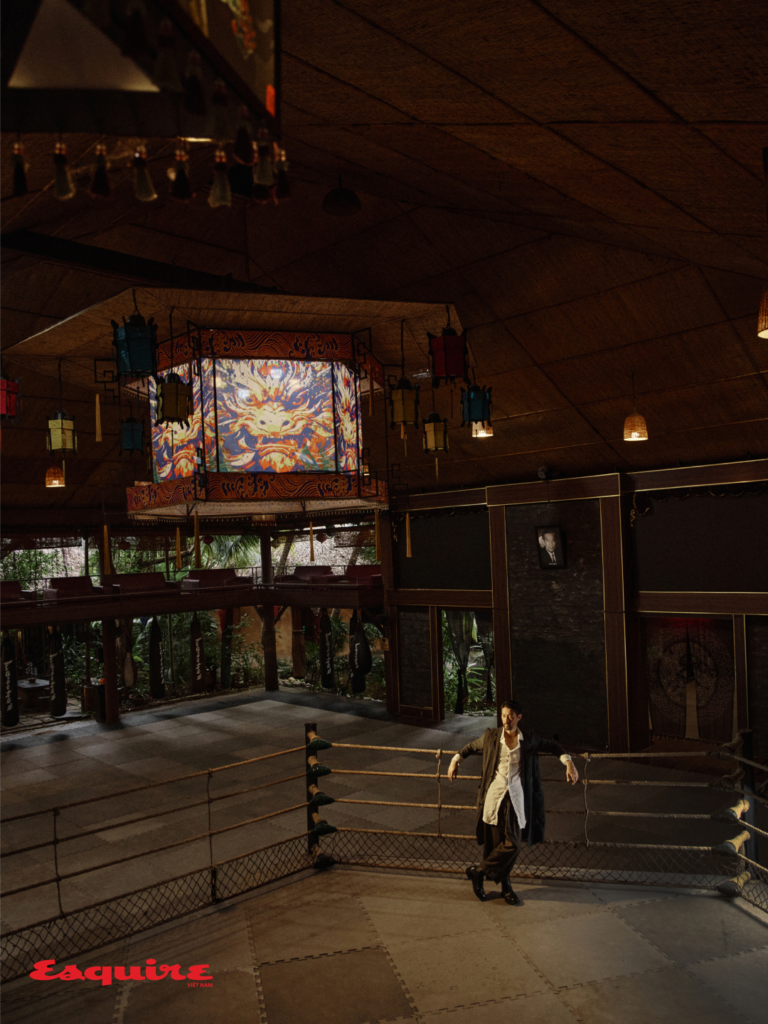
For Johnny, filmmaking and the philosophy he has spent a lifetime developing are difficult to separate. Much traces back to martial arts, where progress cannot be rushed. After 14 years of running Liên Phong, those lessons have become a worldview. “In martial arts, there’s no cheating. You have to put in the work. That’s the most important lesson I grew up learning. There’s longevity and a real quality to it.”
Listening to Johnny, it becomes easy to understand why he sometimes feels he has lived several lifetimes. Singer, stunt performer, actor, action director, martial artist, teacher: seemingly disparate roles have converged into a consistent way of moving through the world. Experience has made him more selective about where he puts his energy, and more certain of the standards by which he measures its value.
To me, a good film is cinema that lifts culture and provides spiritual value.
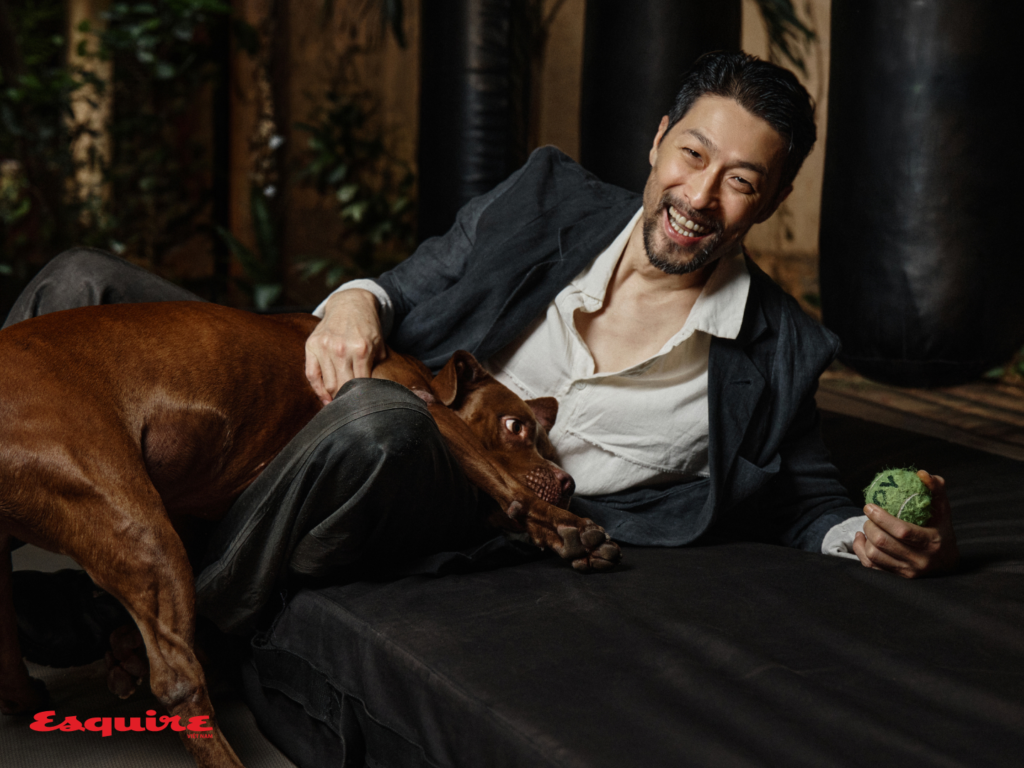
That may be what distinguishes the Johnny Trí Nguyễn returning to the screen from the action star audiences remember. His warrior spirit has not softened with age, but become more discerning. The same standard shapes what he asks of cinema: not simply whether a film succeeds commercially, but whether it is worth making at all.
“To me, a good film is cinema that lifts culture and provides spiritual value. Making films that are quality in both art and spirit can be painful, but somehow there’s always a reward,” he says. “The reward is in giving and creating—not in a financial sense. I don’t care about that stuff. If my work can inspire change and touch lives, it’s a life worth living.”
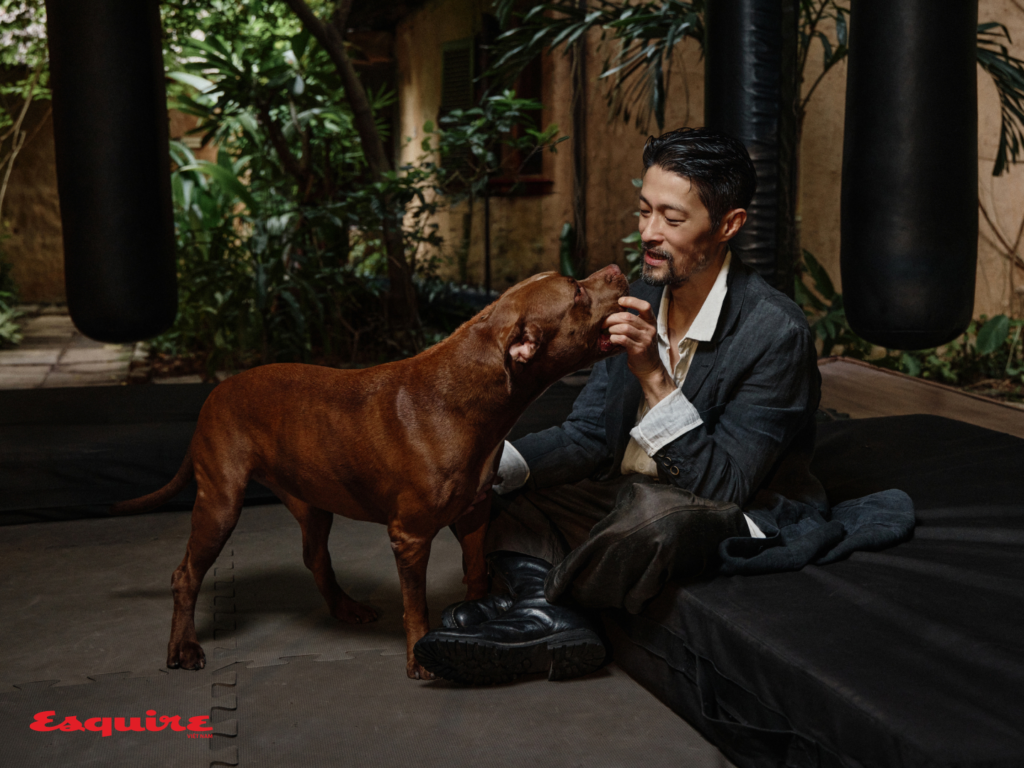
***Crew***
Editor-in-Chief: Dan Q. Dao.
Photographer: RABHUU.
Visual Director: Huy Hoàng.
Writer: Catherine Trúc Cầm Nguyễn.
Styling: Phạm Minh Trí.
Producer: Dory Mai.
Fashion: UMA WANG, INSIZE.
Location: Liên Phong MMA.