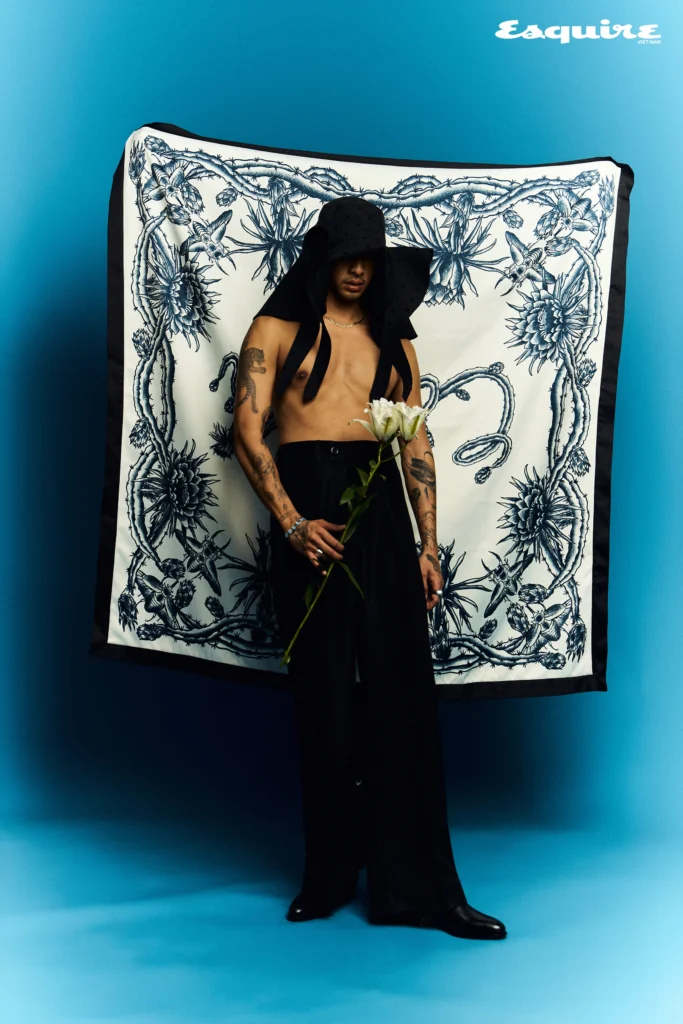
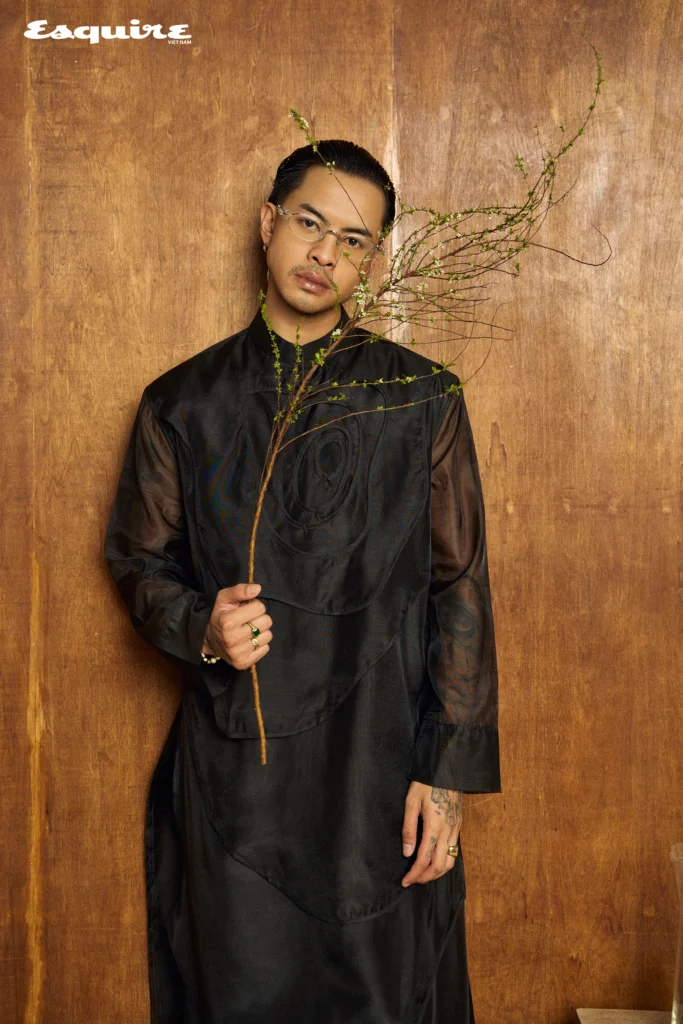
DCR Milda’s career—and life—has always been defined by movement. Born Hiep Nguyen in the Czech Republic to Vietnamese parents with roots in Nghệ An, he grew up navigating multiple cultures long before music became his profession. Dance was his first creative outlet—in fact, as a teenager he even competed on Česko Slovensko má talent, the Czech and Slovak version of America’s Got Talent. But after a serious knee injury forced him to stop performing, he shifted toward DJing and music production.
As a teenager, Milda began organizing parties for the dance community in the Czech Republic, teaching himself how to DJ by playing every slot of the night—opening, headlining, and closing. Later, after moving to Canada, he studied music production and music business in Toronto while immersing himself in the city’s diverse club scene.
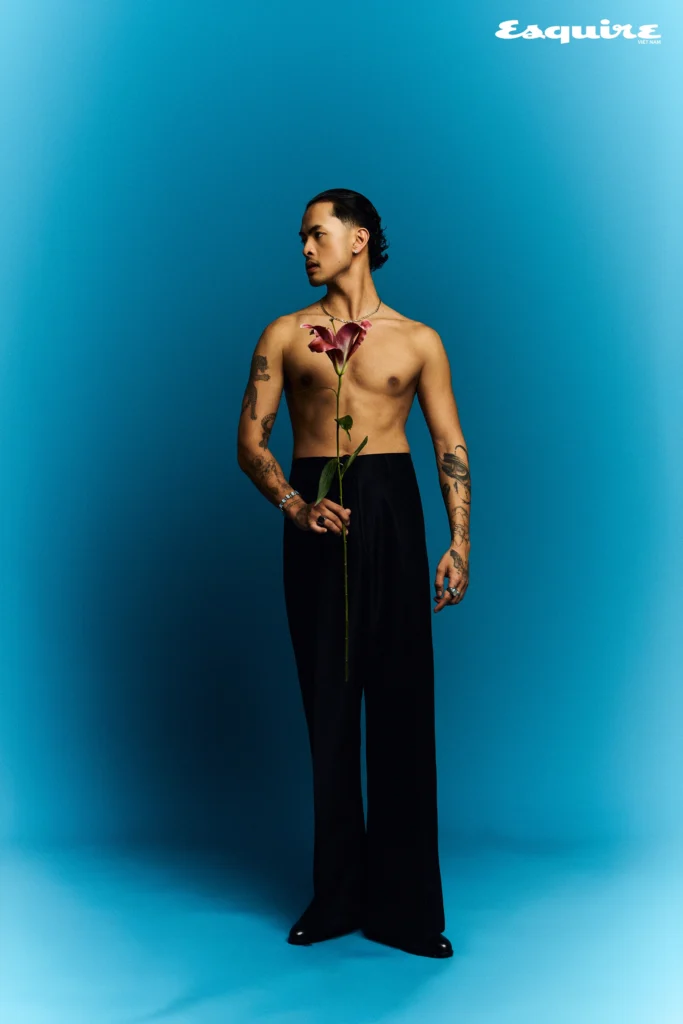
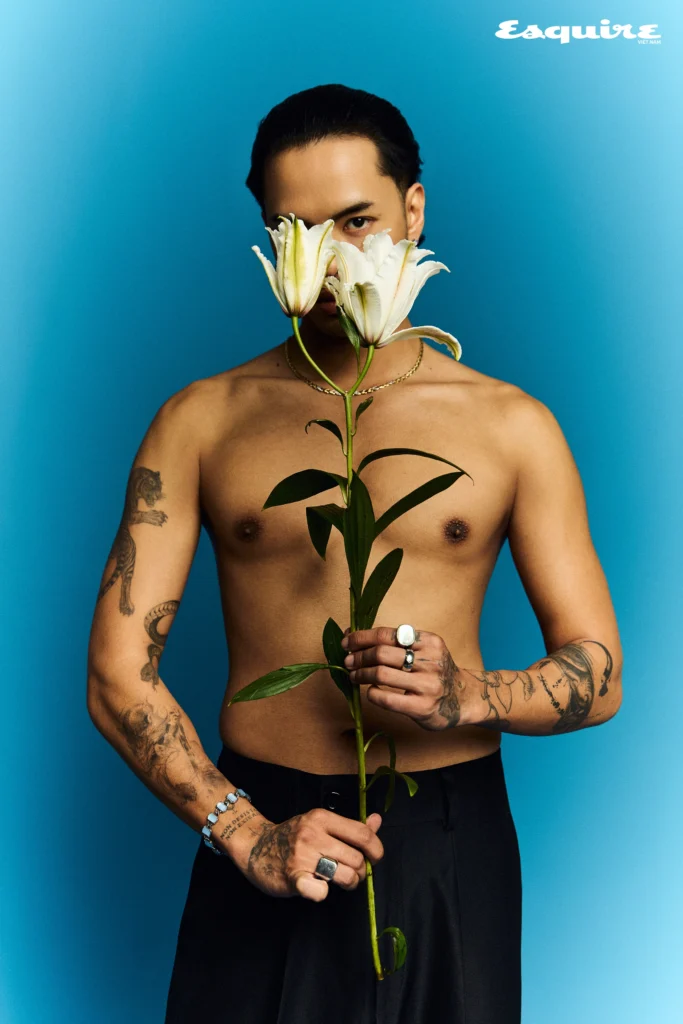
Today, Milda moves between Canada, Southeast Asia, and Europe—building a global career that mixes DJ sets, production, and community-driven cultural events, while amassing a following of more than 350,000 on Instagram and over one million likes on TikTok. Recently, however, Vietnam has become a central part of both his personal life and artistic mission. His latest work includes a remix of Saigontey with Vietnamese pop star Thể Thiên and new projects emerging from his label, More Sauce Music.
We sat down with Milda to talk about the journey from dance to DJing, discovering his identity as a Vietnamese artist, and why pure energy—not genre—is the guiding force behind his music.
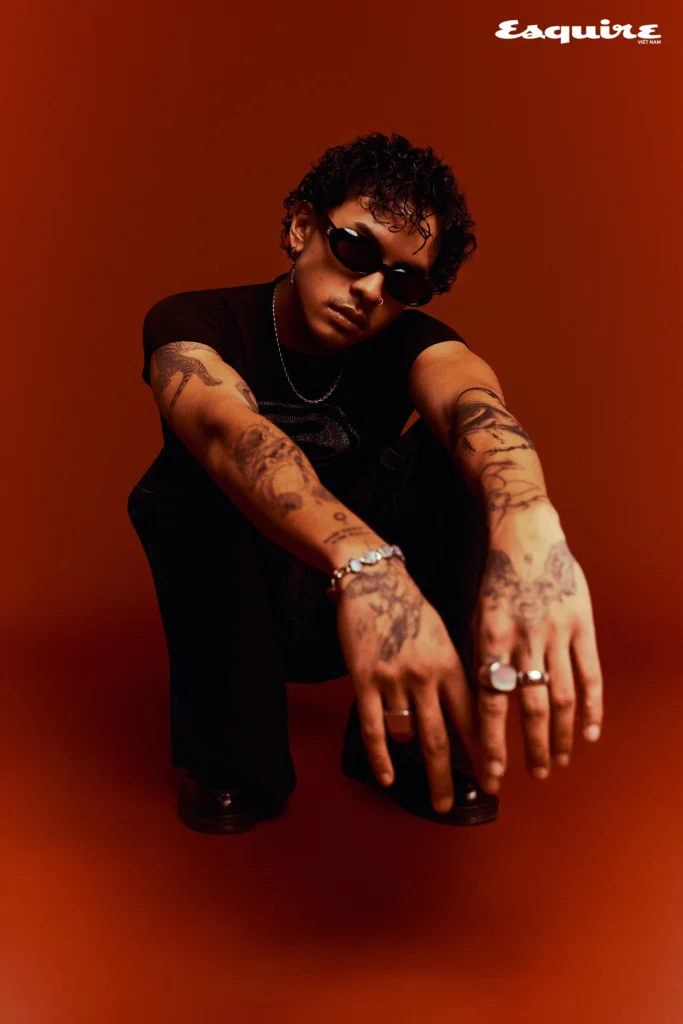
Esquire Vietnam: You started as a dancer before DJing. How did that transition happen?
DRC MILDA: Before DJing, I was dancing and trying all types of creative things. Growing up in the Czech Republic, there weren’t many options for us to pursue art, but I was always drawn to it.
When I was around 16 or 17, I even went on the Czech version of America’s Got Talent as a dancer. But when I was younger, I had a motorbike accident in Vietnam that really messed up my right knee. After that, I couldn’t dance anymore.
Later, when I moved to Canada, my parents told me that if I could get into music school or art school they would support me. I applied to a music program in Toronto and got accepted into music production and music business. That’s when I decided to pursue music full time.
You were already throwing parties before that though, right?
Yes. Before moving to Canada, I was doing a party in the Czech Republic that was strictly for the dance community. I realized there wasn’t really anything around us at the time. That’s actually where my name came from. DCR stands for “Dancer.” I would be the opener, the headliner, and the closer. Every Friday and Saturday for three years I was doing that party and teaching myself how to DJ. At that time I didn’t take DJing that seriously because I still thought I would be a dancer. But after the injury, music became the path.
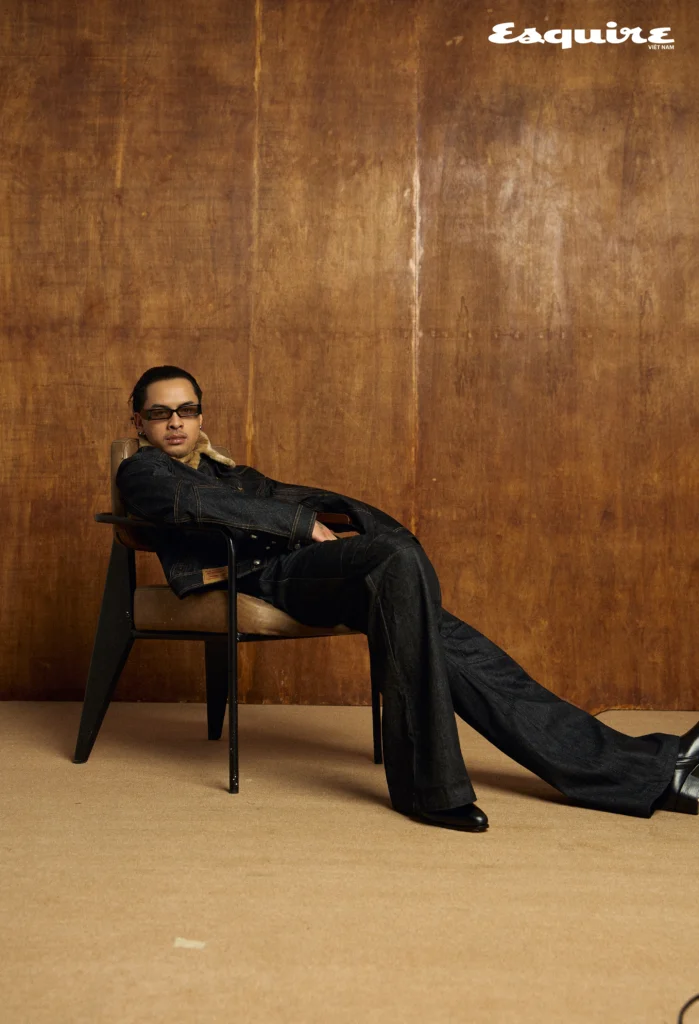
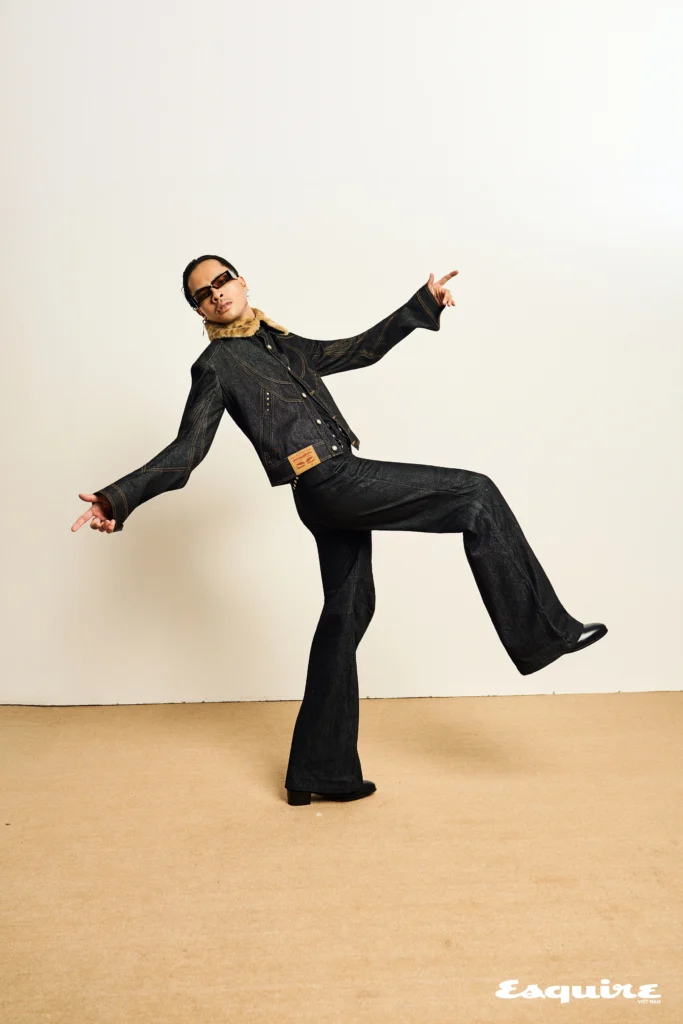
My music is not about the genre—it’s about the energy
How would you describe your sound today?
When I started, everything was hip-hop because I came from the dance community and the hip-hop era. But when I started traveling more and going to different countries, I got exposed to a lot of other music. In Europe, I heard Afro house. In Canada, there was reggaeton. I discovered Brazilian funk, salsa, all these different sounds.
So I built my catalog around high energy and good vibes. I didn’t want people to come to my party and feel like it was aggressive or unsafe. I wanted something positive where people can dance. Now the genre I would call it is open format. But really my music is not about the genre—it’s about the energy.
You’ve been moving more into production and collaboration recently. What pushed you in that direction?
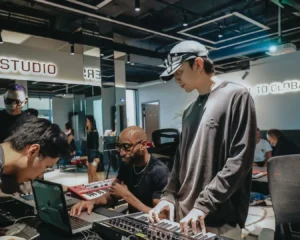
A few years ago I had some issues with my paperwork in Canada and I couldn’t work during the summer, which is normally the busiest season for DJs. That moment made me think maybe it was time to do more than just DJing. So I started focusing on production, music curation, and event direction.
Instead of trying to learn everything alone, I started collaborating with producers and artists. I’ve been in the industry since I was 15, so I used the knowledge I had and started building with other people.
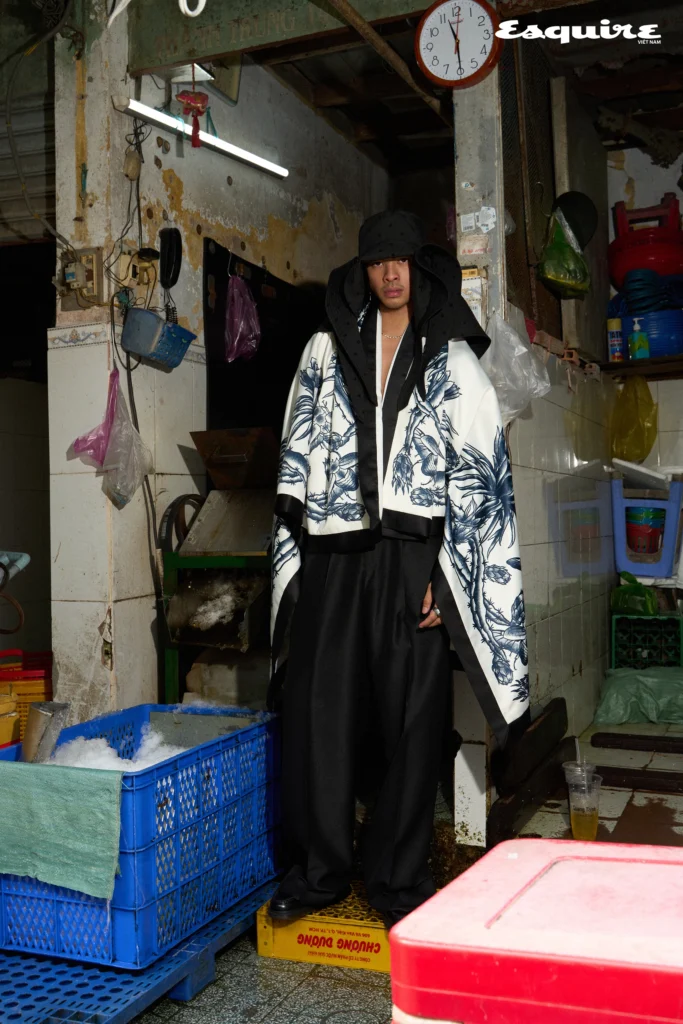
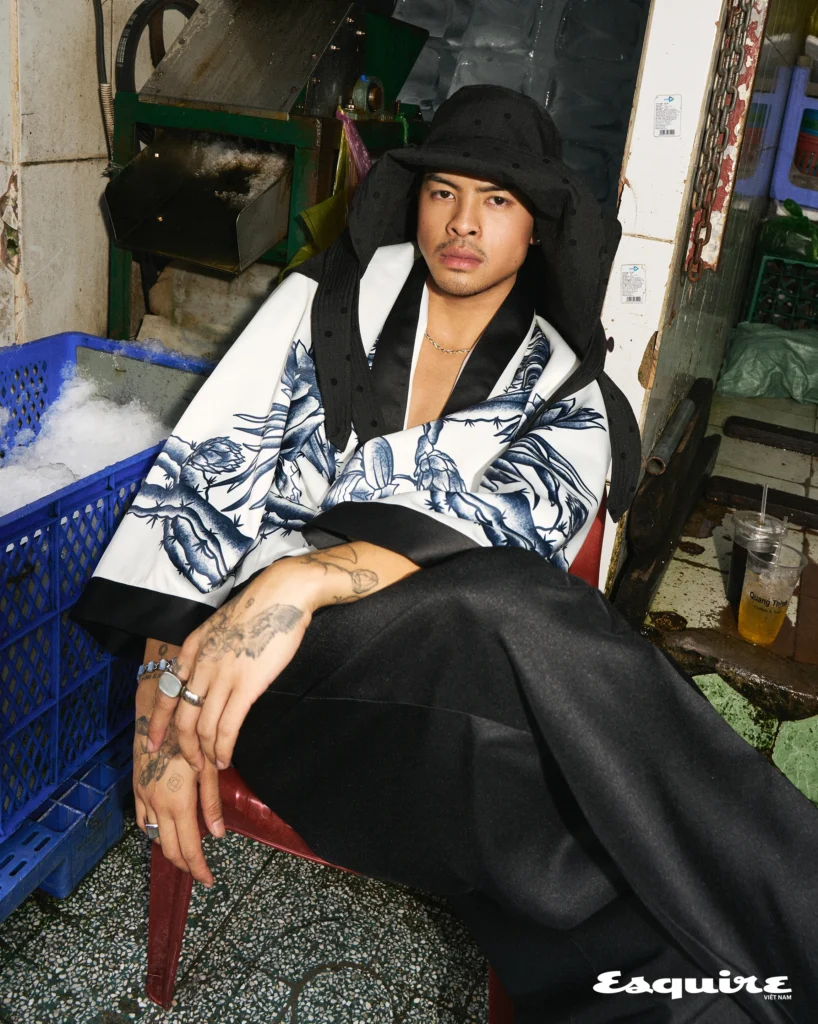
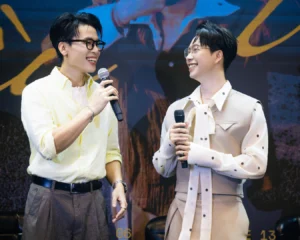
One of those collaborations led to the remix with Vietnamese artist Thể Thiên.
Yeah. I discovered the song “Saigontey” and thought it had crazy energy. So I made a remix and just sent it to him on Instagram. I literally slid into his DMs like, “Yo bro, I found this song and made this remix.”
Later, we met in person at a dinner in Vietnam—your dinner, actually—and realized we had already talked before because of that message. A couple months later he came back and said his team liked the remix and wanted to release it officially. For me that was really special because I always wanted to work with Vietnamese artists.
I feel proud to be Vietnamese and to represent that around the world
You’ve talked about reconnecting with Vietnam later in life. What was your relationship with the country growing up?
Growing up in the Czech Republic, there were maybe four Vietnamese kids in my whole school. When you grow up like that, sometimes you feel ashamed or you don’t want to stand out because people bully you or say things. At home I had Vietnamese parents, but outside I was living a European life. So I always felt confused about my identity.
When I was younger my parents actually sent me to Vietnam for a few years to learn the language. I was there from about five years old to ten years old living with my grandma in Nghệ An with my cousins. But I was so young that it didn’t really stick with me. When I went back to the Czech Republic later, I was still living like a European teenager and I didn’t really connect with that Vietnamese identity yet.
When I started touring Asia more and came back to Vietnam as an adult, something changed. I realized, “Yo, I belong here.” I signed a lease for a year. Now, I feel proud to be Vietnamese and to represent that around the world.
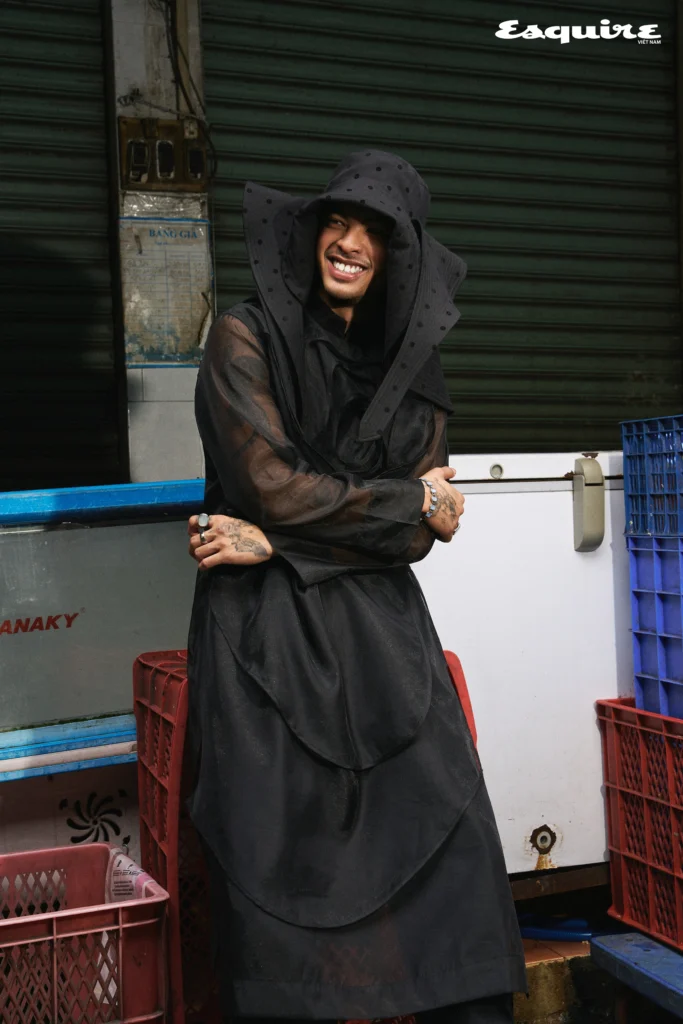
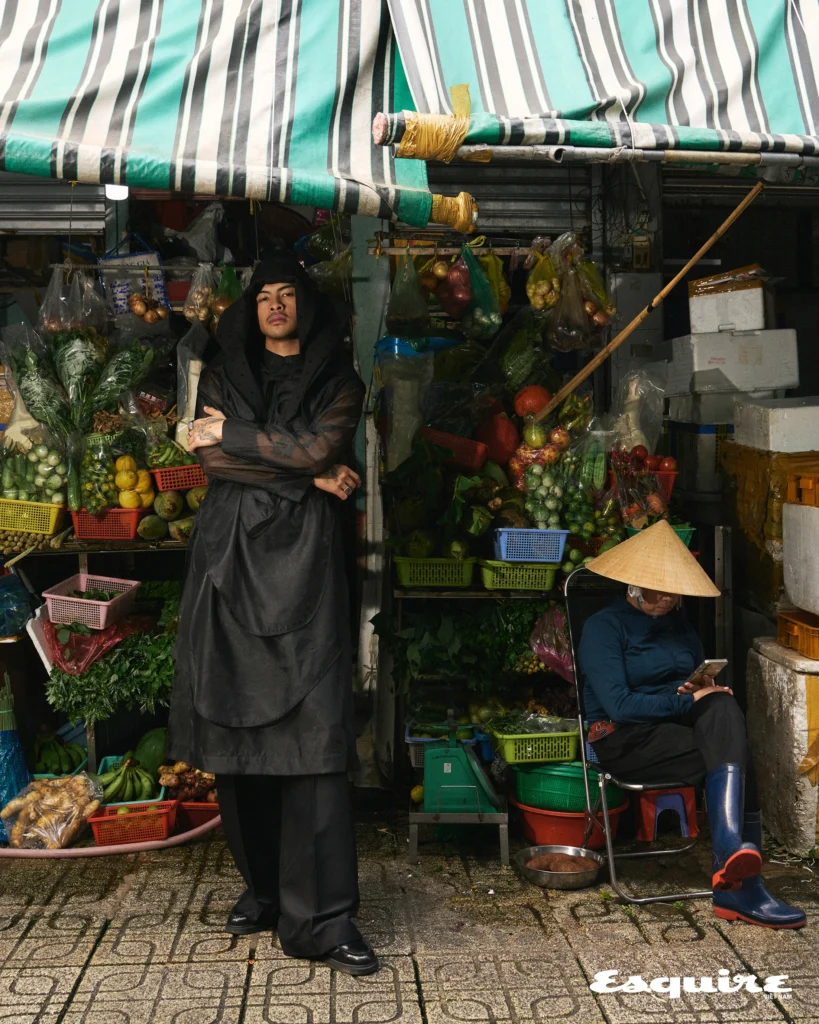
How does that show up in your DJ sets now?
Now every set has some element of Vietnamese music in it. I even opened a show in Brazil with Vinahouse. Obviously nobody there knew what it was, but I wanted to put them onto something different—and the crowd went crazy for it. I feel like part of my mission now is to understand the culture more deeply and bring that energy with me around the world.
You mentioned earlier that becoming a DJ helped you discover that pride.
Yeah. I was thinking about what my proudest moment as a DJ is. Maybe it was playing in front of 25,000 people in the Czech Republic when I opened for a big rapper. Or maybe it was when I became financially independent and could support my family. But honestly, I think the proudest moment is that DJing allowed me to travel the world and eventually come here and realize how proud I am to be Vietnamese. None of those other things would really matter if I didn’t understand who I am.
Beyond DJing, you’re also building events and community projects. What are you trying to create?
My main income right now still comes from live shows where I do DJ sets. That’s what allows me to live and survive. But over the past few months, my focus has started to shift. I have a label called More Sauce Music based in Canada, and the idea behind it is that wherever I travel, I try to learn the “sauce” of the local culture and bring that with me—then share that sauce with the world.
So now I’m focusing more on event planning and community events. When I go to a new country or city, I try to organize my own events where I bring together local artists, local brands, DJs, and even local food vendors. The idea is to host these events in venues that aren’t typical clubs or traditional party spaces. It’s more about creating a cultural moment where different parts of the local scene can come together.
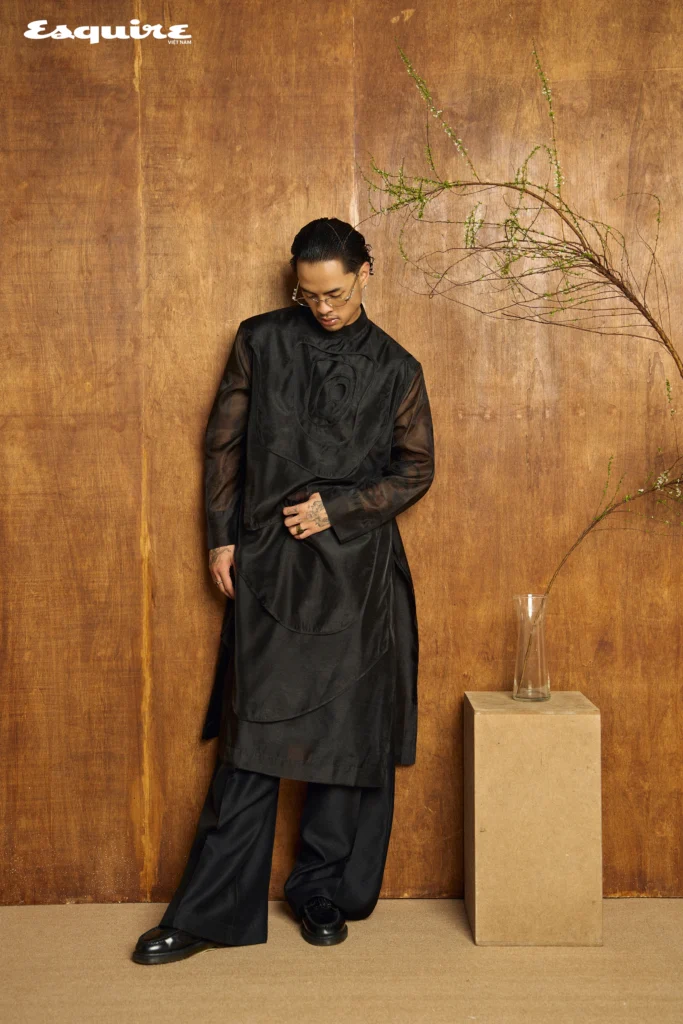
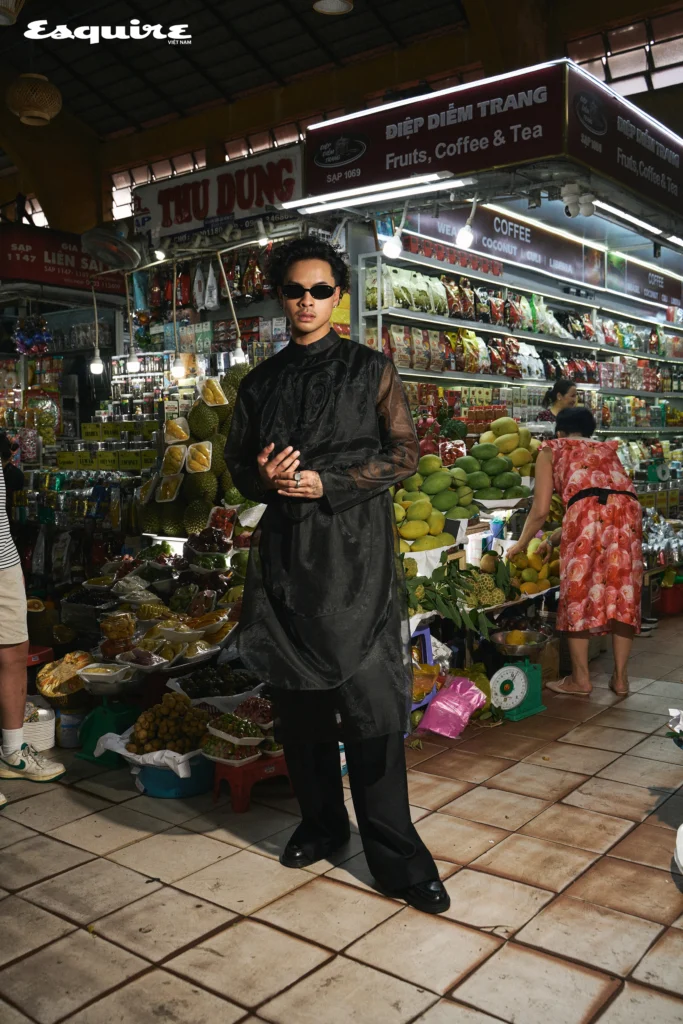
We did something similar recently in Brazil where we worked with a bar in a favela that had burned down and helped them bring people back and create revenue again. Every country I go to, I want to do something like that.
I always tell people: whatever you do, don’t lose yourself trying to go viral
Your social media presence is also a huge part of your platform. How do you balance going viral with staying true to yourself.
Today everybody is chasing viral moments. But I always tell people: whatever you do, don’t lose yourself trying to go viral. All the videos people see from me are just me being myself and having fun. I’ve been posting for ten years to maybe eight friends and just staying consistent. Eventually one day the algorithm just picked it up.
But for me it’s not about being some guy pressing buttons and pouring drinks. I want people to see that there’s more behind it. There’s purpose, there’s discipline, and there’s culture behind what I’m doing.
*** Creative Team ***
Editor-in-Chief: @danqdao.
Photography: @_m.o.c._
Creative direction: @jbrjalloh.
Styling: @missoliviajordan.
Production: @photo_will.
Assistant: @r0man.ng.
Fashion: @caostu.official, @aahmidnightclub.