Eric Nam is about to make his 13th trip to Korea this year. That’s not counting three trips to Europe or several others across Asia. Looking back at the countless hours spent alone in the liminal spaces of transit, the Atlanta-born, California-based singer admits it’s an unusual way to live—and an often unusually lonely one.
“I live such a weird life that is so unrelatable to people,” the 37-year-old admits. “I live on airplanes and in the Delta Sky Lounge. I’m literally quite physically alone a lot of the time, and it’s not conducive to me building relationships, be that platonic or romantic.”
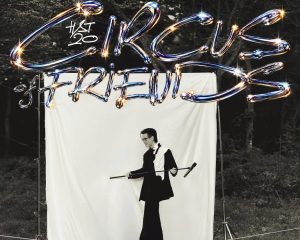
Loneliness, fittingly, is the central theme underpinning Eric Nam’s fourth studio album, Confessions of a Lonely Heart. Released in October, the nine-track record is what he describes as his “most vulnerable” yet—exploring love, betrayal, and the very human desire for connection.
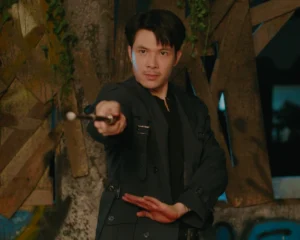
The album also arrives during an especially eventful chapter for the Korean American multi-hyphenate. Having established himself as an independent artist, Eric Nam has continued expanding his career across music, television, and film. Earlier this year, he made it to the finale of the American reality competition The Traitors, while his growing Hollywood résumé includes voicing adult Aang in Avatar: The Last Airbender and appearing in the upcoming coming-of-age film K-Pop: The Debut.
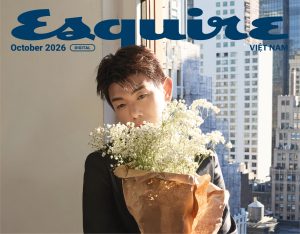
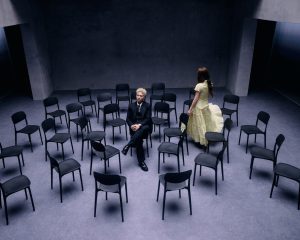
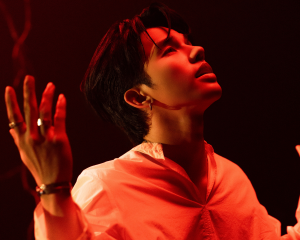
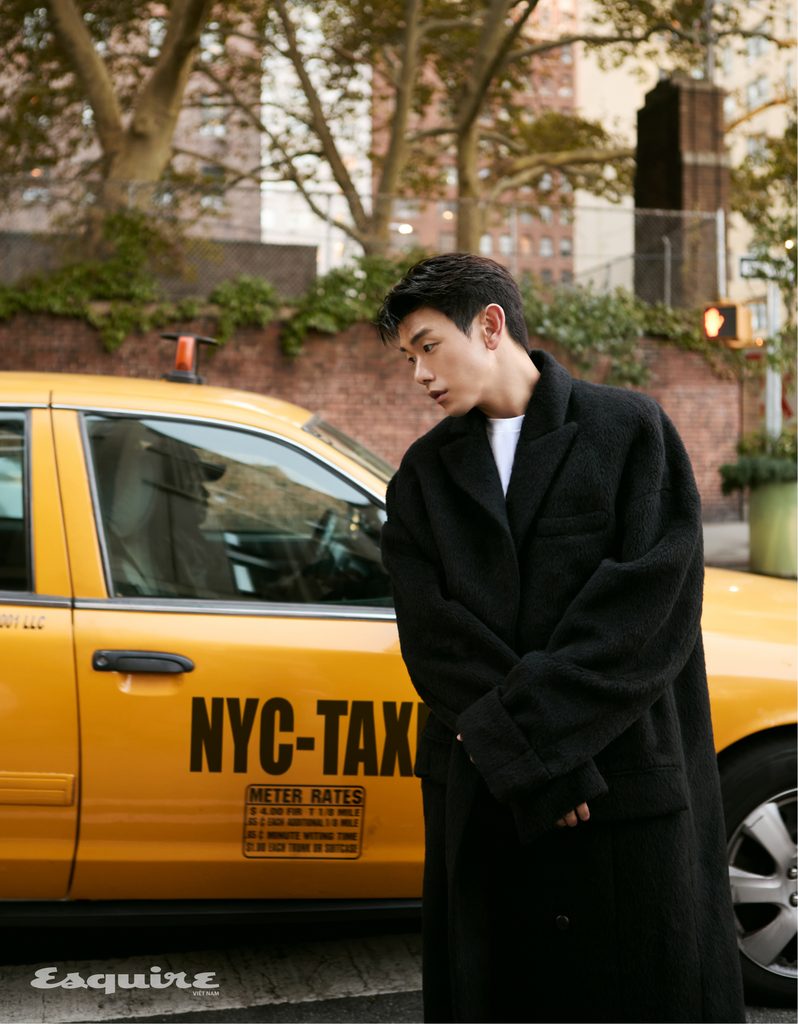
For our October digital cover, Esquire Vietnam caught up with Eric Nam in New York City for a shoot with photographer William Ferchichi and a chat to discuss the making of his most revealing album yet, his unexpected musical influences, and his next chapter in Hollywood.
“We started with about 80 songs,” Eric Nam says of the two-year writing process behind Confessions of a Lonely Heart. “We had country music, ’80s music, some funk, Silk Sonic-type things, and pop-punk. From there, we just kept trimming. What’s the best song?”
As the list narrowed to nine tracks, a common theme emerged. “The biggest discovery was that I’m lonely, and that everybody’s a little bit lonely,” he explains. “We are so connected through social media and the internet, but in doing so, we’ve lost the ability to really connect with one another in person, or to have deep conversations about serious things. That’s why so many of us feel lonely.”
Looking back, Eric Nam recognizes the feeling throughout his career, beginning with his move to South Korea as a young Korean American who barely spoke the language. Years later, he faced similar isolation when he left his established career in Korea to start over in Los Angeles during the pandemic.
Loneliness is something that I’ve just always felt a tight relationship with. That’s probably my deepest relationship, being lonely with myself.
“Loneliness is something that I’ve just always felt a tight relationship with,” he reflects. “That’s probably my deepest relationship, being lonely with myself.” These experiences inform some of the album’s most direct songs. “How the Fire Started” addresses betrayal, drawing on professional relationships gone sour. “There were a lot of moments where I did get stabbed in the back,” Eric Nam says. “I don’t think I was ever ready to talk about it, and even now, I talk about it without calling people out specifically.”
Despite repeated disappointments, he remains willing to trust others. “You would think you would learn after being taken advantage of so many times. You have to trust and open yourself up and be vulnerable to live life in community with other people. It just so happens that sometimes I put my trust in the wrong people. And that’s how the fire starts.”
On “Make Me Cry,” the confessions become more intimate. One lyric, in particular, stopped him in his tracks: “I’m scared of what you’ll think if you see me naked, but my greatest fear is that I’m gonna die alone.”
“It’s a devastatingly sad lyric,” Eric Nam explains. “I remember sitting in that room thinking: Am I gonna say this out loud? Once I do, I know they’ll want to put it in the song. But am I okay with everybody knowing that these are some of my fears?”
If the album feels like an open diary, Eric Nam credits the trust he’s built with longtime collaborators and co-writers. “As I’ve spent more time with these people, I’m able to share more, divulge more information about what I’ve been through,” he explains.
When you start feeling more secure and confident, it allows you to show up in a fuller, more honest way.
Age and experience have brought greater self-assurance, too, making him less concerned with public approval. “As you mature, you become more comfortable with who you are. When you start feeling more secure and confident, it allows you to show up in a fuller, more honest way.”
Eric Nam’s creative confidence manifests in his refusal to stick to a single sound. While Confessions of a Lonely Heart ventures into unexpected territory—particularly with its country influences—genre-hopping is hardly new for an artist whose catalog has moved fluidly between pop, R&B, and electronic music.
“Sometimes, for the sake of digestibility, we’re asked to put ourselves into boxes because it’s easier to market,” Eric Nam says. “But because I am my own label and my own boss, I was like, you know what? I’m just gonna do whatever I want.”
That freedom nearly resulted in an entire country album. Raised in Atlanta on Rascal Flatts, LeAnn Rimes, Tim McGraw, and Keith Urban, Eric Nam has long wanted to explore the genre, despite his team’s reservations. “If I could go to Nashville and write for a month, I would come away with the sickest country album,” he laughs.
But because I am my own label and my own boss, I was like, you know what? I’m just gonna do whatever I want.
But when it came time to select the final tracks, Eric Nam faced a dilemma. “There was a point where we were like, do we go with a country album or a non-country album? And then it was like, how about we just pick our favorites?” he recalls. The result is a genre-blurring record with a strong country streak.
The result is a genre-blurring record with a strong country streak, most evident on its closing track, “Someday.” Elsewhere, “Psycho” draws on ’80s synth-pop, while “How the Fire Started” favors acoustic instrumentation. Despite their different production styles, the songs share Eric Nam’s ear for melody, shaped in part by the country and church music of his upbringing.
“I’m a melodies guy, more so than lyrics,” he explains. “I think country music and church music are very similar, and they all inform each other. At the end of the day, even a lot of your favorite pop music is derived from those genres.”
That willingness to cross genres extends to Eric Nam’s career at large. Having established himself in the Korean entertainment industry, he’s since branched into television, entrepreneurship, and Hollywood. How many other entertainers are making country-influenced pop music while preparing to star in a K-pop coming-of-age film?
That next chapter includes K-Pop: The Debut, a Paramount and HYBE America coming-of-age film scheduled for February 2027. Having spent years establishing himself beyond the K-pop label in the United States, Eric Nam initially hesitated to return to the genre on screen. What eventually won him over was the scale of the production and the opportunity to shape his character.
“This is my biggest film in terms of the promo and the whole shebang of them putting this out and doing a global push,” he says. “I trust the producers enough for me to have some sort of say in what I wanted this character to look and feel like. That’s where I felt safe to be like, okay, I can take this on.”
With other films in the pipeline, album promotion across Korea and the United States, plus a world tour planned for 2027, his schedule is only getting busier. “My life is a little insane, because somehow I was like, I’m gonna release music, but I’m also gonna try acting, and everything kind of collided at one time,” he explains.
Vietnam is very slept on right now when it comes to culture, fashion, and design. It’s gonna be huge. You guys are just loading.
Vietnam is one destination he’d like to add to that itinerary, having previously visited Danang but never performed in the country. “There’s such incredible energy and youth culture in Vietnam,” he notes. “Vietnam is very slept on right now when it comes to culture, fashion, and design. It’s gonna be huge. You guys are just loading.”
He’s equally enthusiastic about Vietnamese food, listing phở, bánh mì, bún chả, and bánh xèo among his favorites. On tour, he regularly seeks out Vietnamese restaurants with one of his Vietnamese photographers. “All I do all day, except when I’m working, is eat,” he jokes. “I have a very deep appreciation and love for Vietnamese food.”
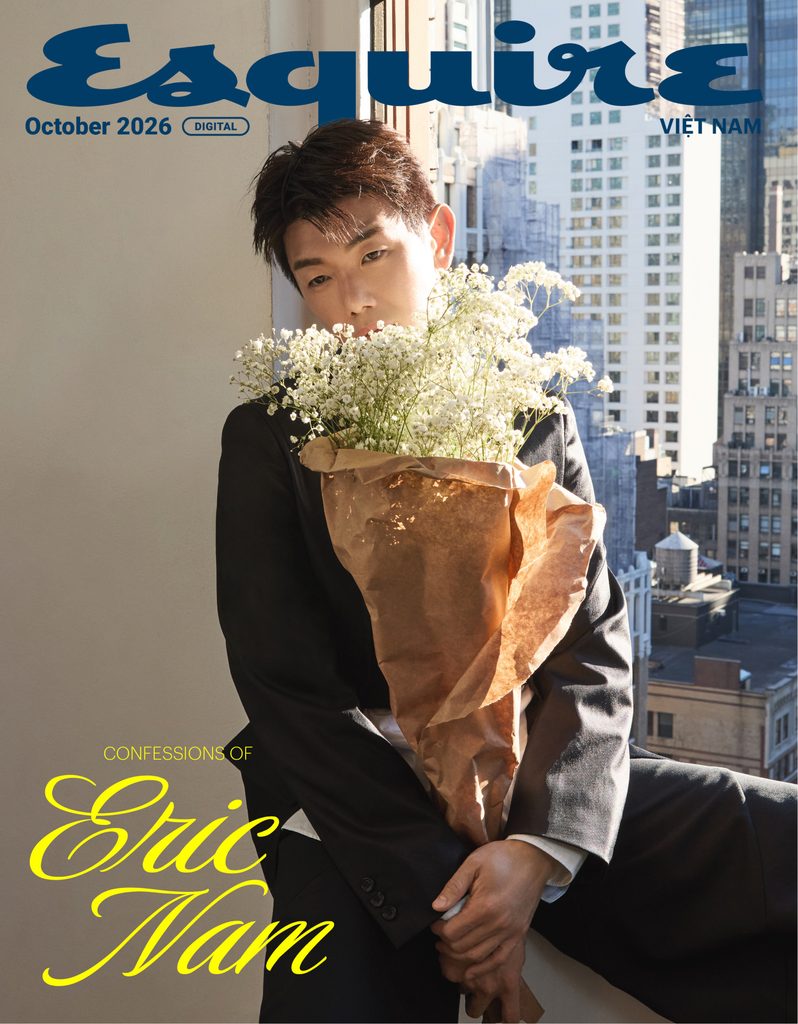
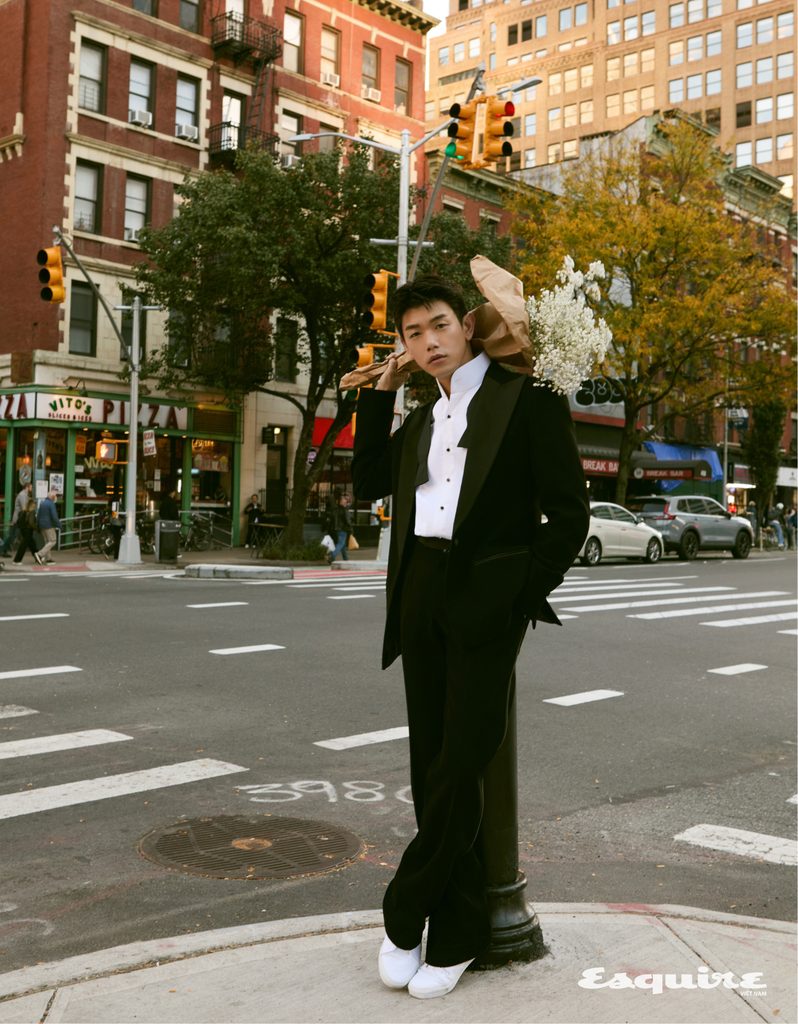
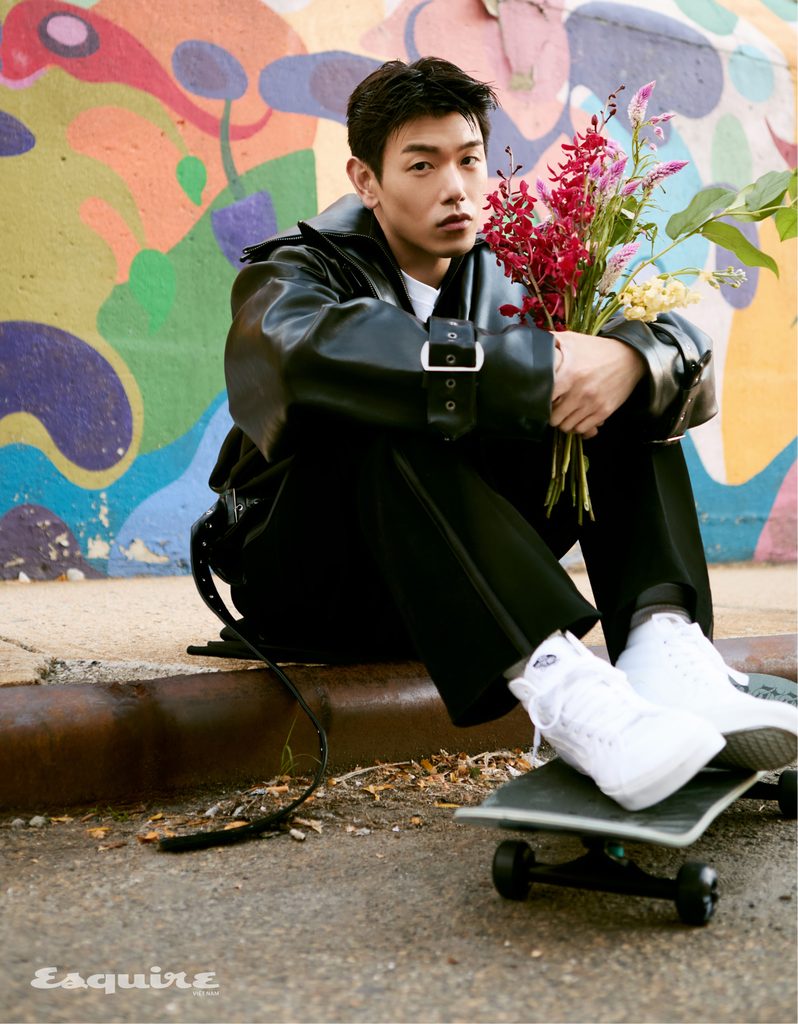
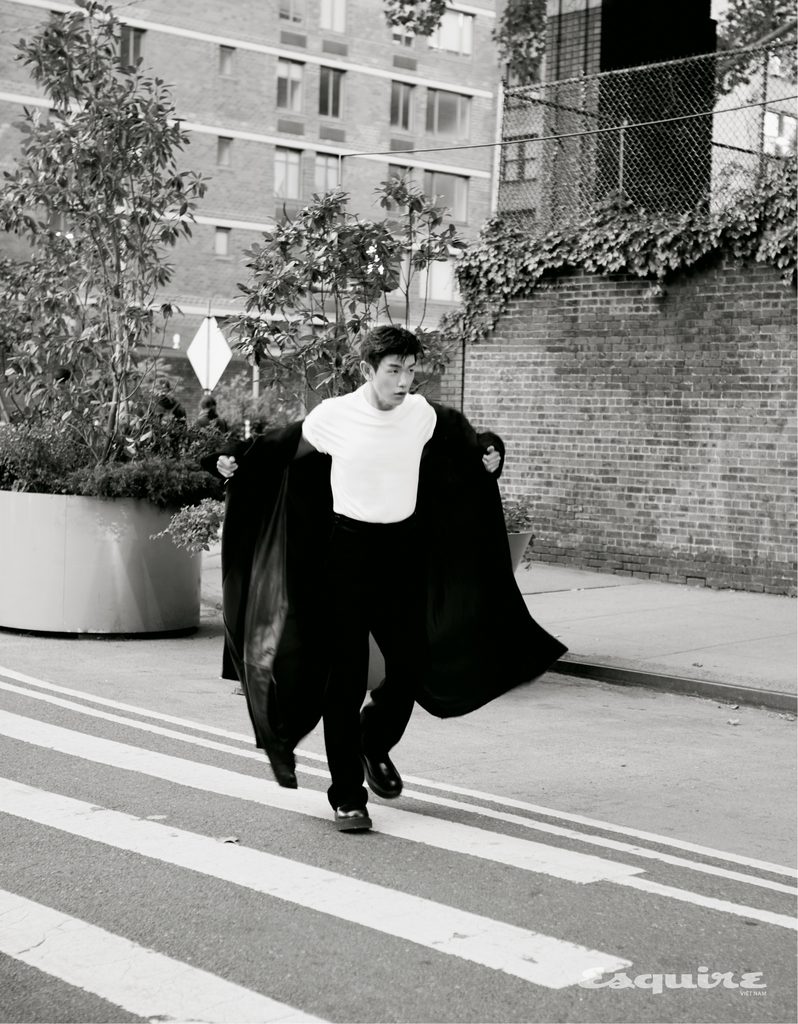
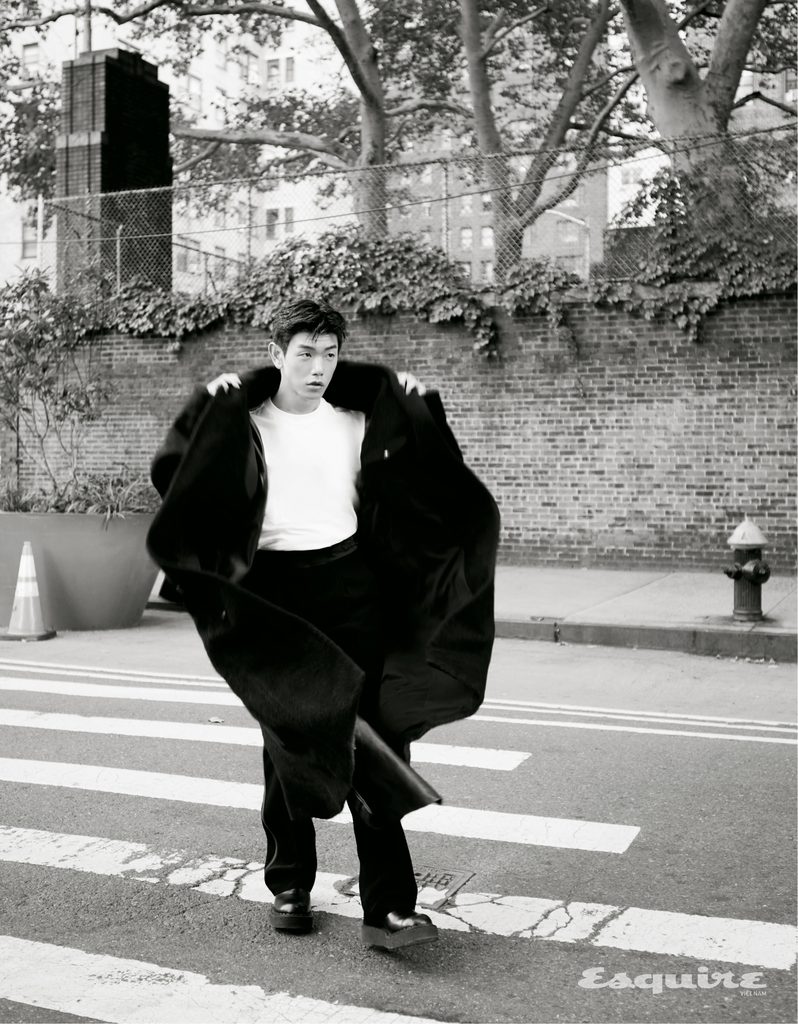
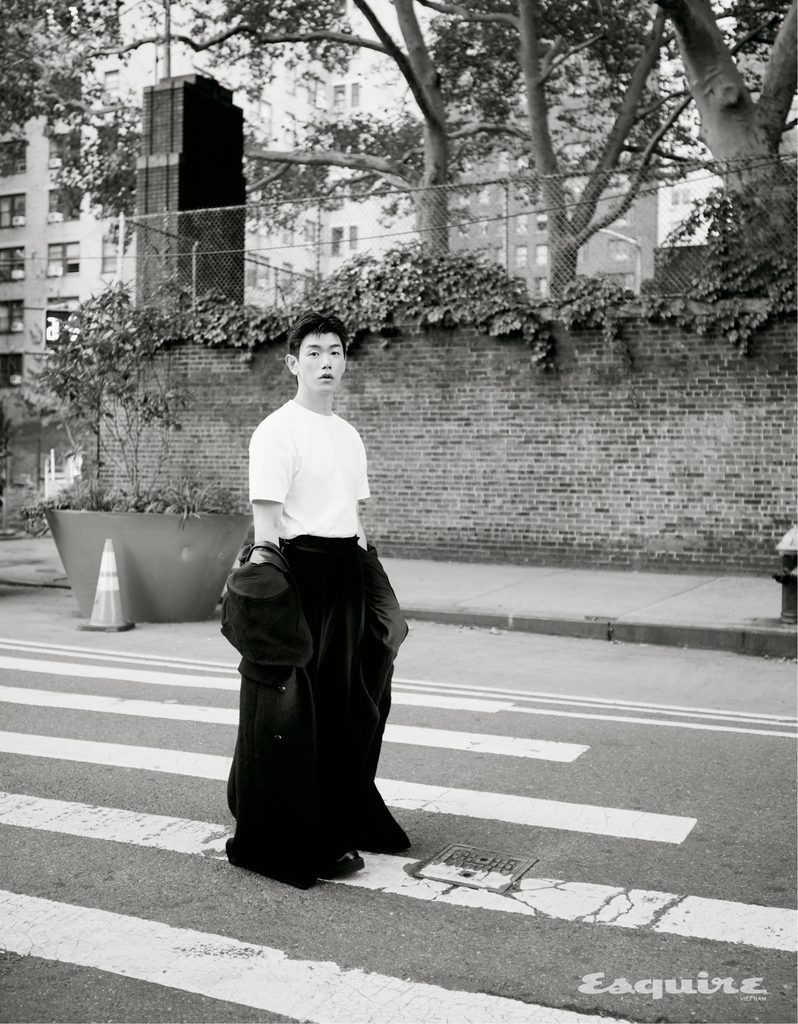
And while his professional calendar still perhaps leaves little room for romance, Eric Nam hasn’t given up on the prospect. To that end, our Esquire Vietnam cover imagines him as a modern-day hopeless romantic in New York City: flowers in hand, navigating the city like a runaway groom. His ideal NYC date? A Broadway show or concert, dinner somewhere with a good vibe, and martinis at The Corner Store.
“I’m a very spontaneous person. I’m really bad at planning things,” he admits. “I would just see where the night takes us. I can’t seem to get in bed before 3 a.m. at the earliest.”
That playful optimism also runs through Confessions of a Lonely Heart. For all its heartbreak, the album’s emotional trajectory bends toward hope. “Lighthouse” finds strength in leaning on another person, while the country-pop finale “Someday” looks ahead to the possibility of a happier future.
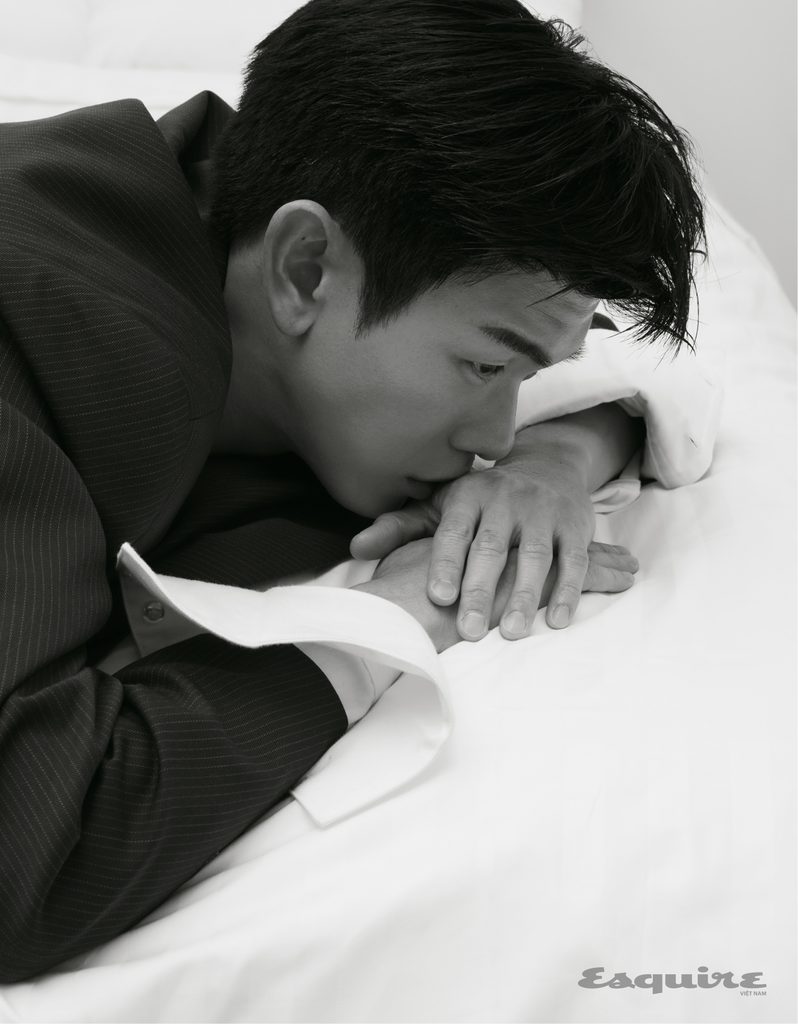
I don’t think loneliness is all this doom-and-gloom thing. There’s a very self-aware, positive angle throughout the album and the way I live.
“I think a lot of people look at the songs and they’re like, oh, these are so sad,” Eric Nam says. “There are ones that are sad—or can be sad—but I think on the flip side, a lot of them are optimistic, addressing wanting to find love, wanting to find friendship, wanting to find a someday where I feel so grounded and connected.”
It’s a perspective rooted in a growing sense of self-assurance, rather than the expectation that someone else will make his life complete. “I feel very in tune with myself,” he adds. “I don’t think loneliness is all this doom-and-gloom thing. There’s a very self-aware, positive angle throughout the album and the way I live.”
Soon enough, he’ll be back on the road, balancing film premieres, performances, and international flights. There may be no tidy resolution to the stories contained in his musical diary, but upon closer listen, it feels as though there’s a happier chapter still being written.
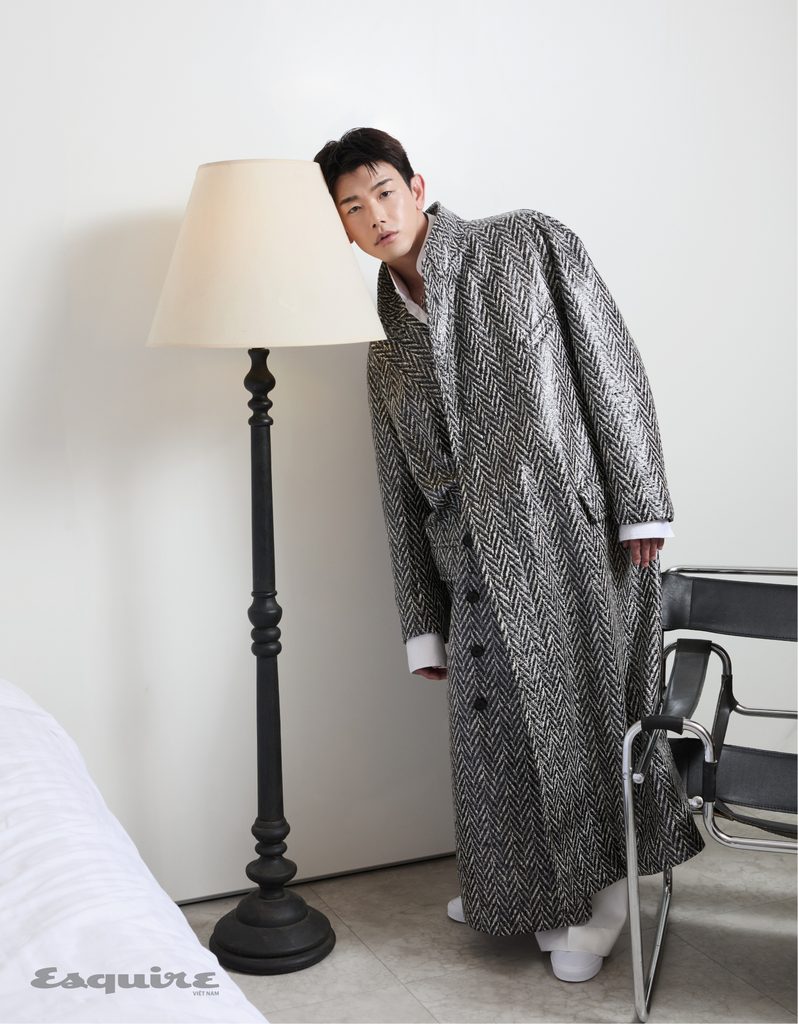
**Credits**
Editor-in-Chief: Dan Q. Dao
Talent: Eric Nam (The Lede Company)
Photography: William Ferchichi (IMAJ Artists)
Styling: Elanur Erdoğan (Forward Artists)
Production Design: Bianca Anita Hernandez, BA Reps
Hair & Grooming: Kimi Duncan (Forward Artists) using COSRX products
Photography Assistant: Oliver Barile
Styling Assistant: Vian Nguyen
Production Design Assistant: Eloise Lebée
Production Assistant: Minh Quan Nguyen (District One Studios)