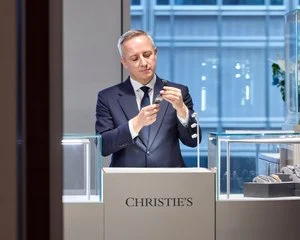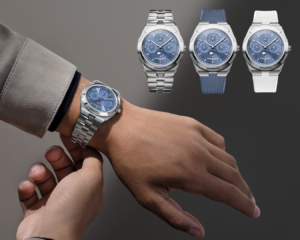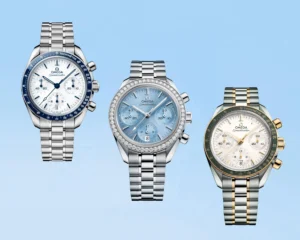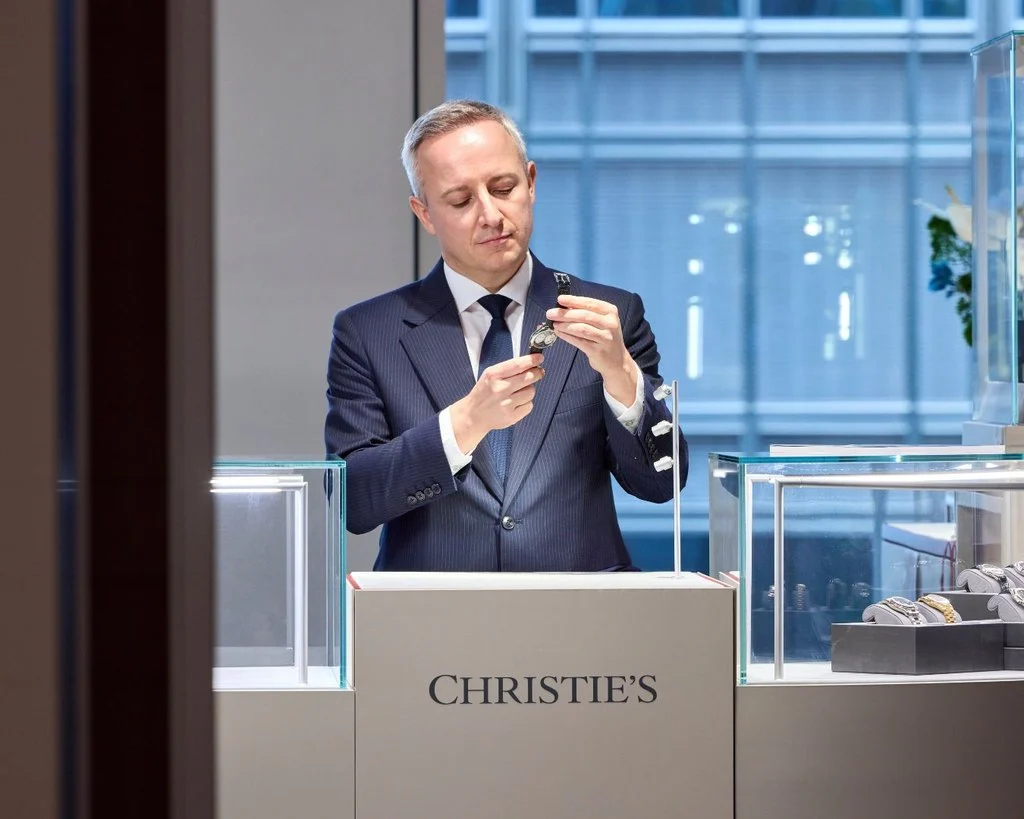
Watch collecting in Asia is entering a new era. Christie’s Hong Kong Spring 2026 Important Watches sale rose 40 percent year-over-year, while spending by Southeast Asian collectors increased 22 percent—a sign not simply of a growing market, but of an increasingly confident one.
As younger buyers mix vintage icons with contemporary independents and look beyond familiar status symbols, Alexandre Bigler, Senior Vice President and Head of Watches for Asia Pacific at Christie’s, discusses how watch collecting is evolving.
Esquire Việt Nam: What is driving this momentum, particularly in our region?
ALEXANDRE BIGLER: We are seeing a fundamental maturation of the collector base in Asia. The market is no longer driven simply by the desire to own the most recognisable or expensive watch. Collectors are becoming more sophisticated, international and confident in their own taste.
Southeast Asia has a strong culture of collecting across art, jewellery, cars and watches. Collectors are researching deeply, travelling to auctions and building collections with a clear point of view. Ultimately, the momentum comes from knowledge becoming more accessible and taste becoming more personal.
Beyond rarity or price, what separates a truly exceptional watch collection from one that’s simply expensive?
The difference is intention. An expensive collection can simply be a collection of valuable watches; an exceptional collection tells you something about the person who assembled it.
The strongest collections have a point of view, whether a fascination with a particular complication, period, watchmaker or aesthetic. For me, the ultimate test is this: if you removed the price tags and auction estimates, would the collection still be interesting? If the answer is yes, you have something exceptional.
Today’s collectors increasingly mix contemporary watches, vintage icons and independent makers. What does this more eclectic approach say about modern taste?
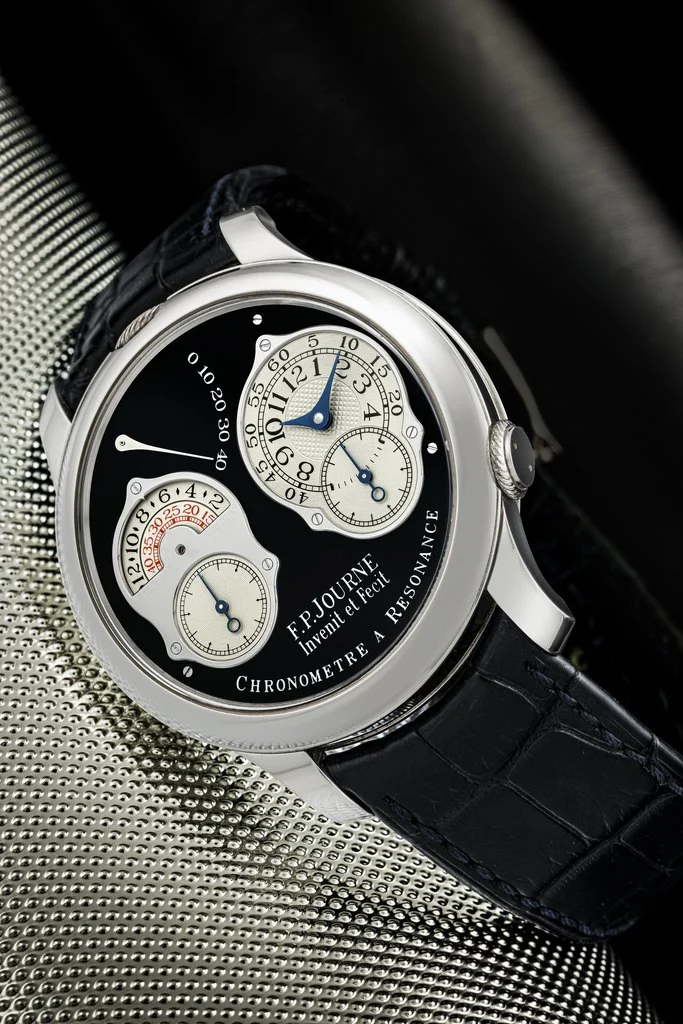
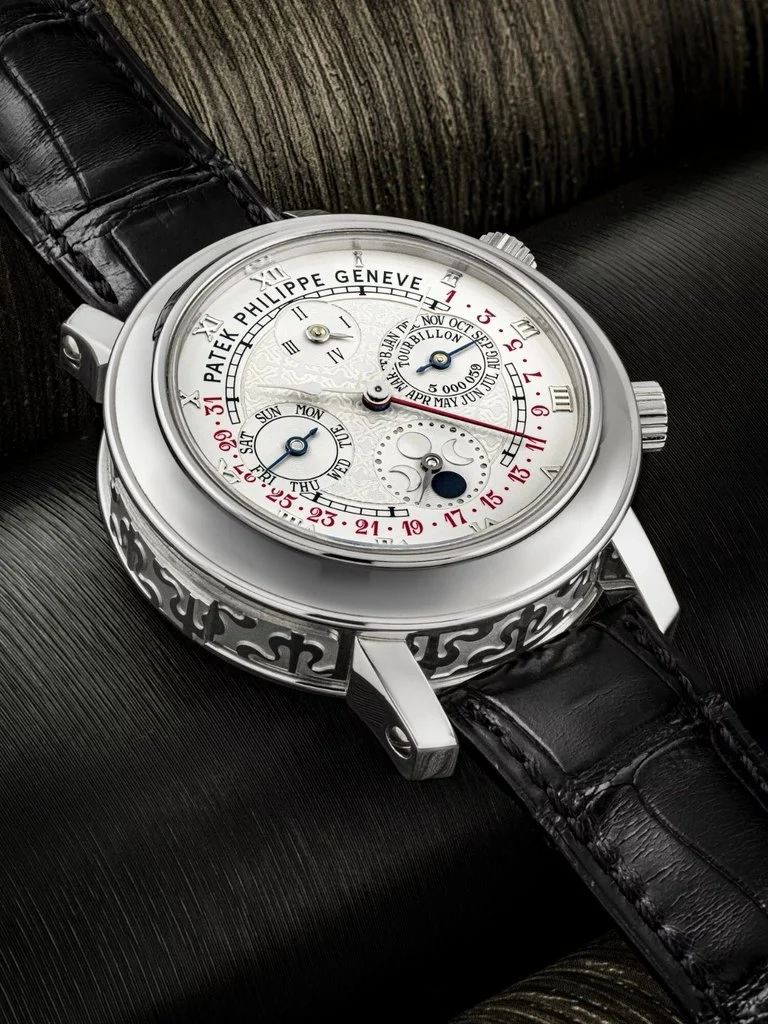
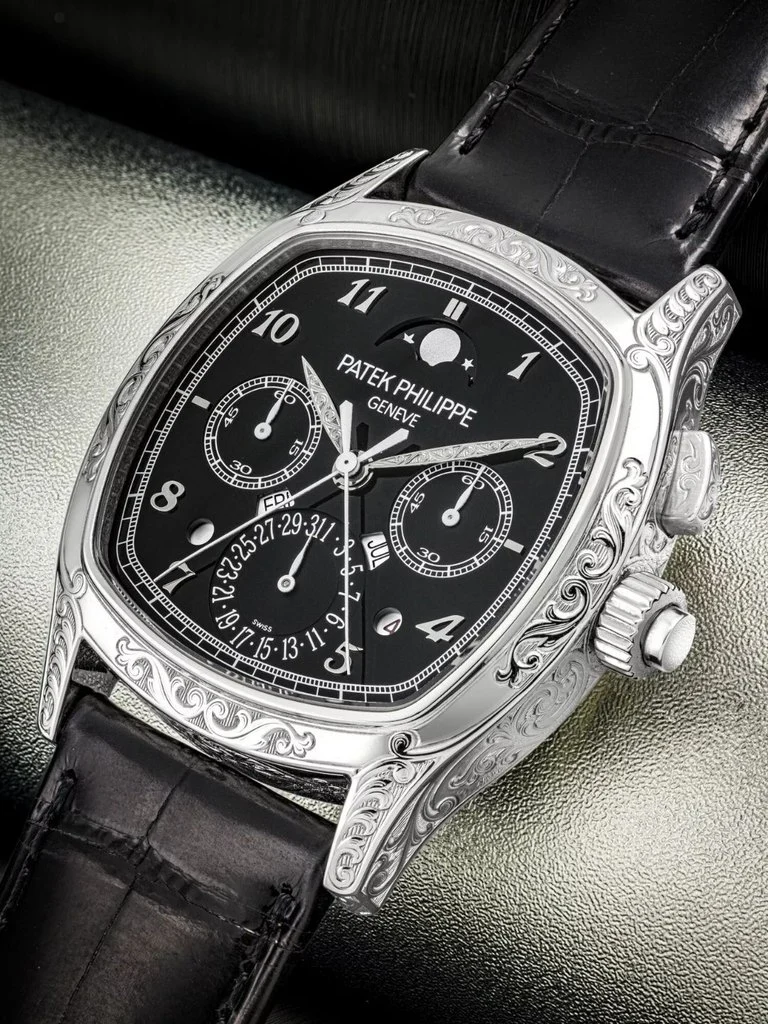
Collectors are becoming less concerned with rules and more concerned with authenticity. Today, someone might place a 1950s Patek Philippe perpetual calendar next to an F.P. Journe, a contemporary Richard Mille and a highly unconventional independent piece.
The collector is no longer asking, “What should I own?” They are asking, “What speaks to me?” That creates room for new ideas, makers and forms of creativity.
Why have independent watchmakers become so sought-after, and what do they offer that major heritage brands sometimes cannot?
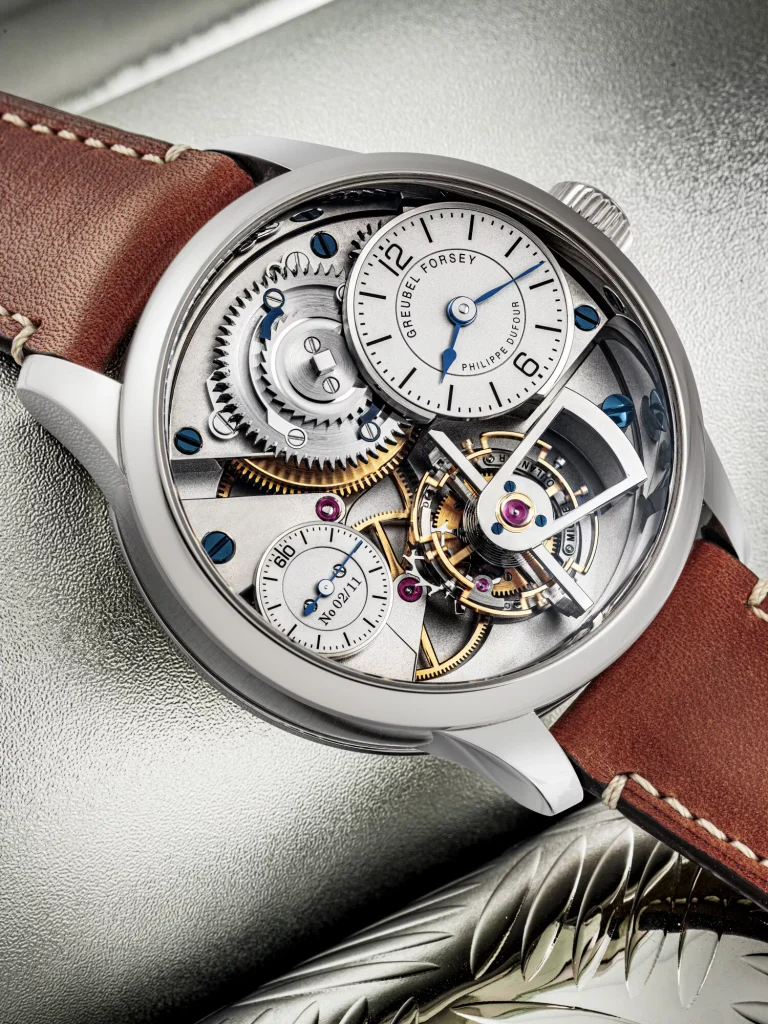
Independents offer something increasingly precious: individuality. You are not simply buying a watch; you are buying into the vision of an individual.
There is also a different kind of scarcity. When a watchmaker produces perhaps a few dozen pieces a year, each can feel almost like a work of art rather than a product. Today’s collectors can appreciate both worlds. The future will not be heritage versus independence, but heritage and independence.
How are younger, more tech-savvy buyers changing the way watches are collected and valued?
They have fundamentally changed the information equation. Today, a young collector can spend months researching a reference before ever speaking to an auction house, allowing conversations with specialists to go deeper into provenance, condition, originality and historical context.
But access to information does not automatically create expertise. Data can tell you what a watch sold for; it cannot always tell you why it mattered. That distinction between information and understanding remains important.
Are younger collectors moving away from watches as status symbols and toward collections that express individuality?
Very much so. The watch has evolved from primarily a symbol of success into something much more personal: a form of self-expression.
There is a growing appreciation for watches that only a relatively small number of people will recognise. The most interesting young collectors are asking less, “What is the most expensive watch I can buy?” and more, “What can I own that reflects who I am?”
Looking ahead five to ten years, what will define the next generation of watch collecting, particularly in Asia?
Collecting will become increasingly global, while the definition of a “great watch” will continue to expand. Independents, experimental pieces, unusual complications and historically overlooked references will receive more attention.
We will also see greater emphasis on provenance and storytelling—who owned a watch, why it was made and what it represents within watchmaking history. Asia will be particularly important: a new generation of collectors here is not simply participating in the global market; they are increasingly shaping it.
In watch collecting, what does “good taste” actually mean?
I don’t think good taste is about owning the rarest, most expensive or even most historically important watch. Those are objective qualities. Taste is subjective.
For me, it is having the knowledge and confidence to know what you like, and the restraint not to be defined by what others tell you to like. At Christie’s, what consistently stands out is not simply value, but discernment. Perhaps the best definition is knowing the difference between what is valuable and what is meaningful to you.
Images courtesy of Christie’s