
As a longtime fan of Chiikawa—first through creator Nagano’s comics on Twitter and later through the anime—I was excited to learn that the series’ first feature film, Chiikawa the Movie: The Secret of Mermaid Island, was coming to theaters in Vietnam.
I was already familiar with the surprisingly adult ideas beneath the show’s aggressively cute surface: unstable gig-economy jobs, endless professional qualifications, random violence and the small comforts that make its world feel a little too much like our own. I also wasn’t surprised that nearly everyone in my theater appeared to be in their 20s or 30s.

Still, I wasn’t prepared for the moral quandary at the center of Mermaid Island. The story begins with a suspiciously good job offer and somehow ends up as a murder mystery, revenge drama and existential horror movie.
For fans of the show, the premise initially feels familiar. Chiikawa, Hachiware, Usagi and their friends are invited to a distant island with promises of easy work, huge rewards and unlimited free food. Instead, they become caught between two tiny, leaf-headed islanders and the enormous Siren chasing them. Everything tells us whom to support: the islanders are small and scared, while the Siren is violent and monstrous. As we learn what happened on the island, however, that choice becomes much less simple.
[Spoilers ahead—turn back now if you want]
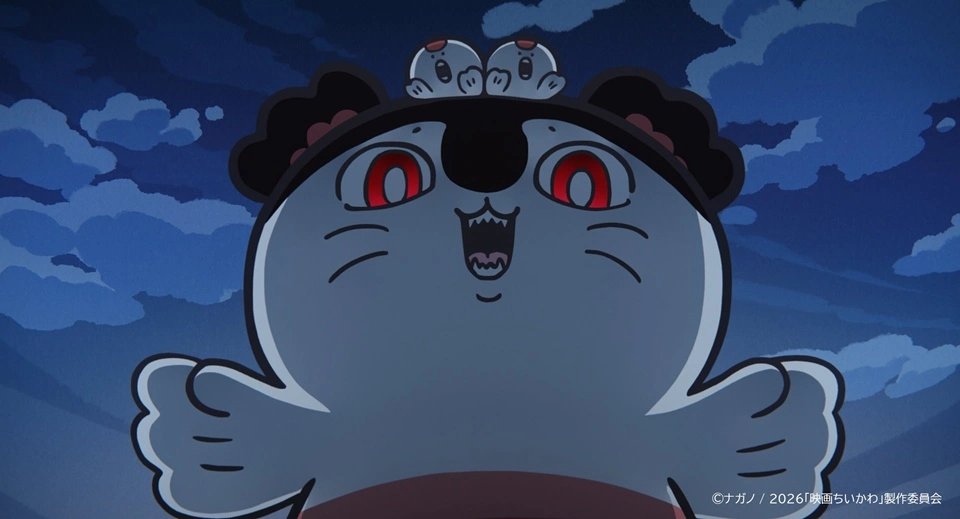
The main conflict involves two islanders who kill and eat a mermaid whose flesh grants immortality. Meanwhile, the Siren hunting them is grieving the loss of someone it loved. This revelation forces us to reconsider whose side we are on without simply switching teams. The islanders committed a terrible act because they were desperate to escape their lives, while the Siren’s real grief has turned into a desire for endless punishment. Neither side is innocent, but both are understandable.
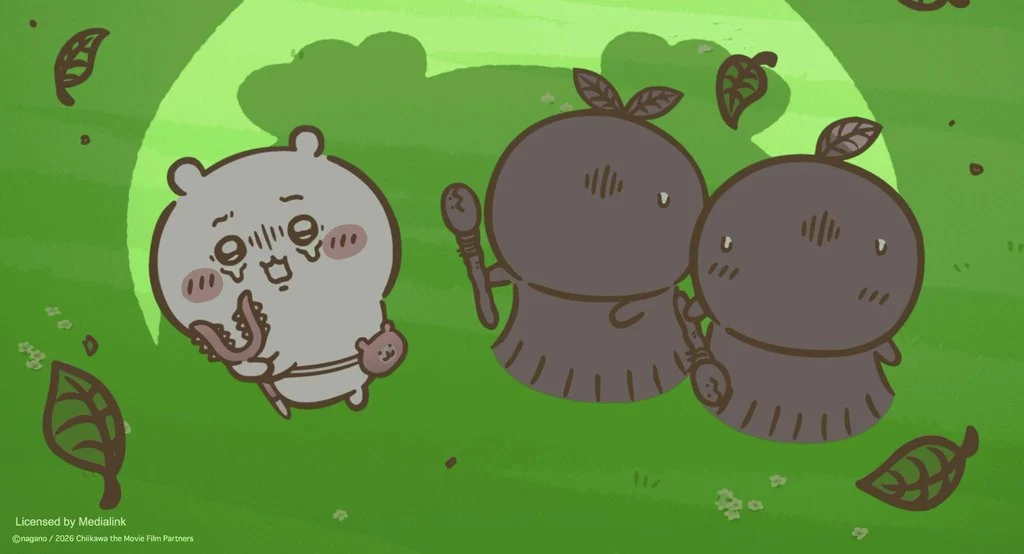
That moral conundrum makes Mermaid Island far more thoughtful than its cute characters suggest. Nagano is less interested in naming the villain than in showing how guilt and victimhood can coexist. The islanders’ suffering does not erase their crime, just as the Siren’s grief does not justify its revenge. Had the story begun with the mermaid’s death instead of two adorable creatures fleeing a monster, we might judge the same events very differently.
Immortality makes the situation even crueler. The islanders want to escape and, above all, stay together. Eating the mermaid gives them what they want—but eternal life also removes death as the final limit on their suffering. Their dream of being “together forever” becomes the threat of punishment without end.

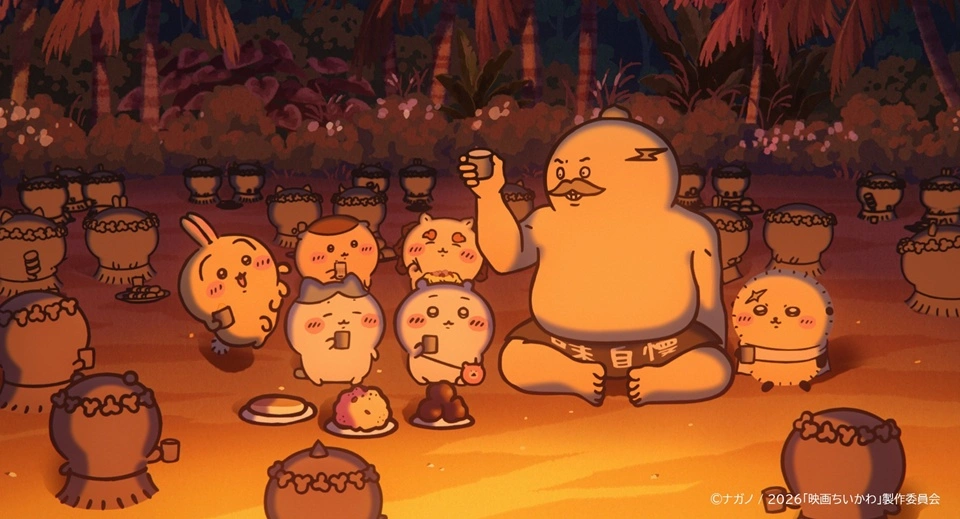
Of course, the film isn’t all doom and gloom. Momonga’s impulsive behavior provides plenty of comic relief, and Usagi even gets a rap interlude. These lighter moments matter because Nagano never treats ordinary happiness as foolish: the clam soup and pork curry really are delicious, friendship really does help, and small comforts still have value in an unfair world. Mermaid Island extends that same generosity to its moral quandary, showing how terrible acts can come from familiar desires for safety, freedom and companionship without confusing understanding with forgiveness.

The scene that perhaps stayed with me most comes when Chiikawa cannot decide whether to expose the islanders to the Siren or protect them despite knowing what they did. There is no choice that feels entirely right: turning them in means helping the Siren carry out its revenge, while staying silent means protecting two killers from facing what they have done.
In Chiikawa, as in life, knowing the whole story does not always make judgment easier. Sometimes understanding everyone’s pain only makes forgiveness—and choosing a side—more difficult.
Image courtesy of Nanago