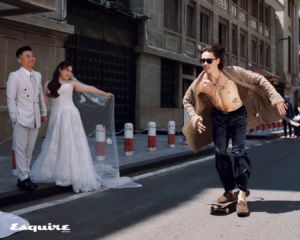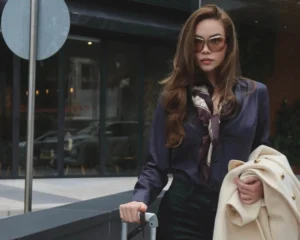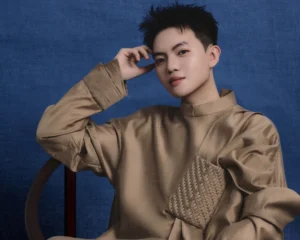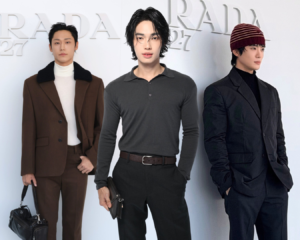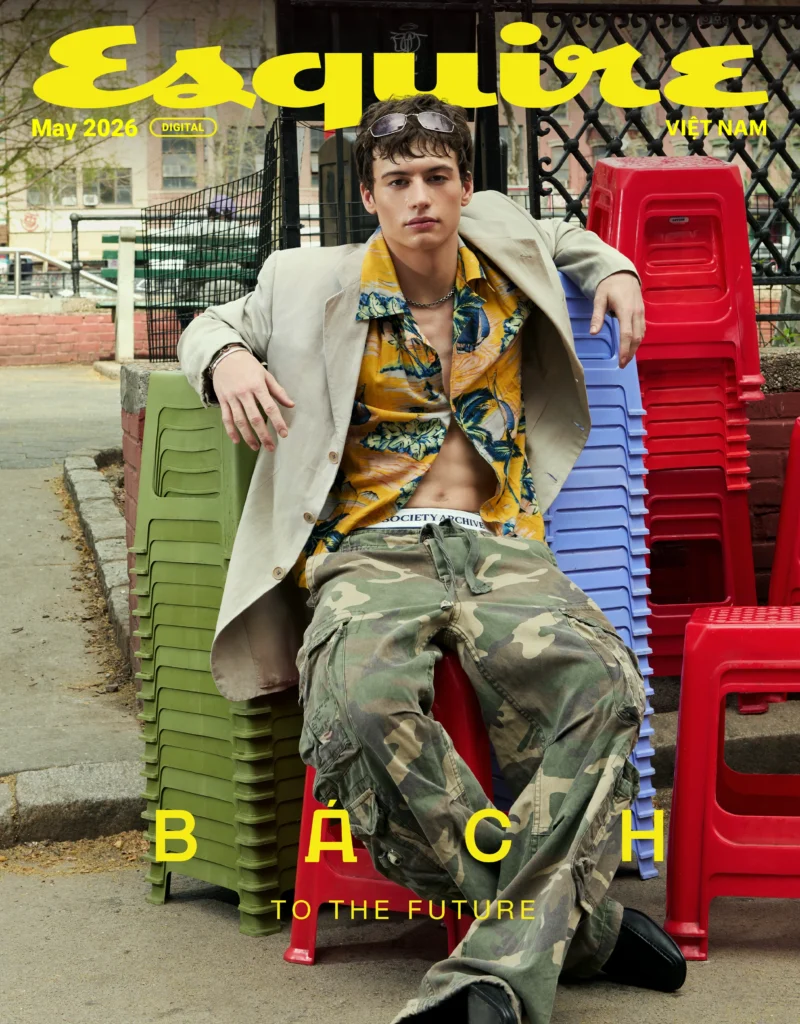
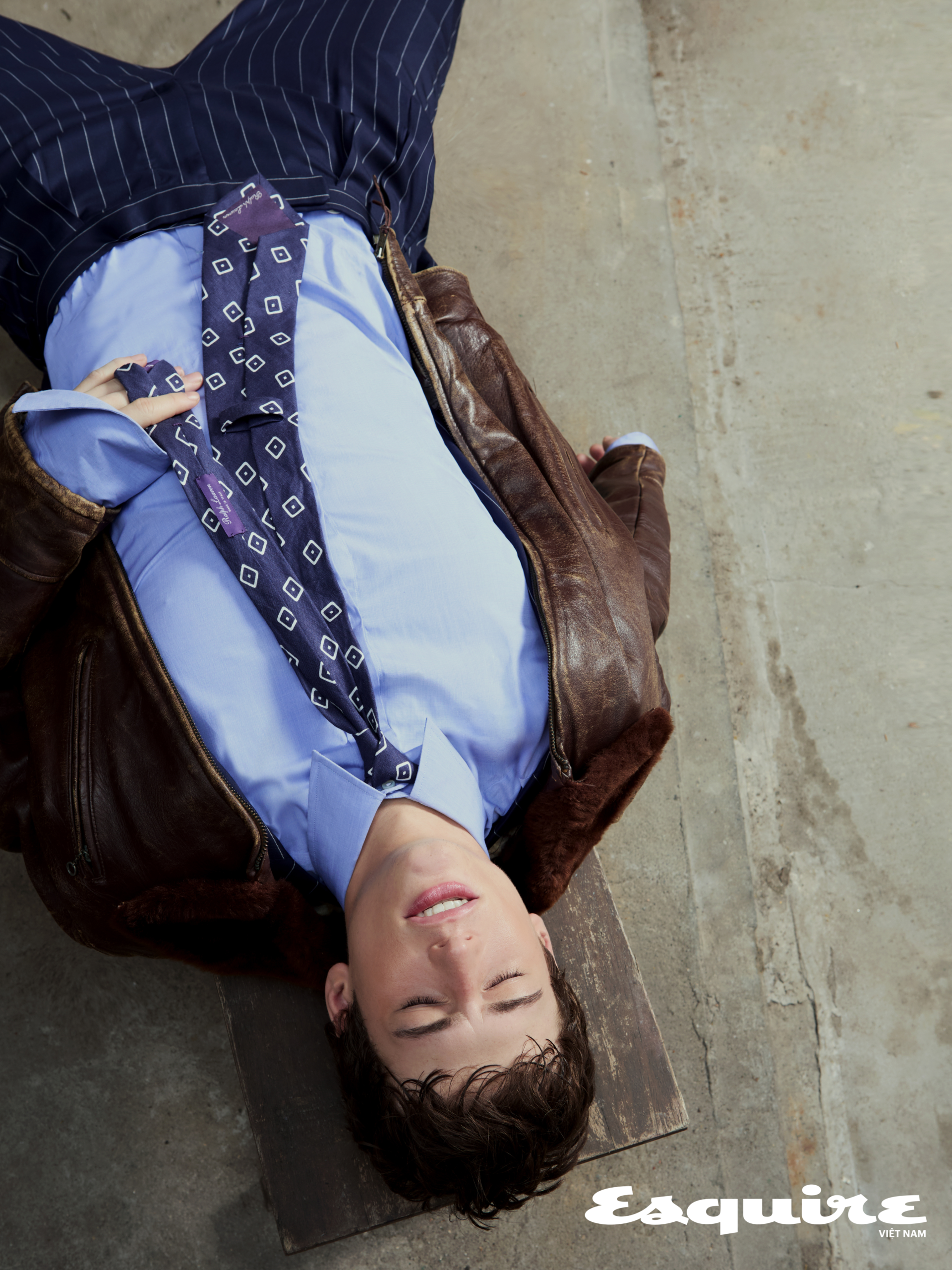
I meet Bách Buquen on a late afternoon in Manhattan. We’re sitting at Mắm, a Vietnamese spot that spills onto the streets of the Lower East Side, but the humid backyard and low plastic stools echo something close to Saigon. Fittingly, the French-Vietnamese influencer has just wrapped his Esquire Vietnam cover shoot, lounging across from me in an unzipped hoodie, light-wash jeans, and black sneakers.
Only 20 years old, Buquen’s journey began in 2024 with a series of TikToks filmed at Paris’ historic Gare Saint-Lazare—Charli xcx’s “Guess” playing in the background. The videos, which quickly garnered some 44 million views, feature Buquen applying makeup in public, in full view of commuters who didn’t quite know what to make of it.
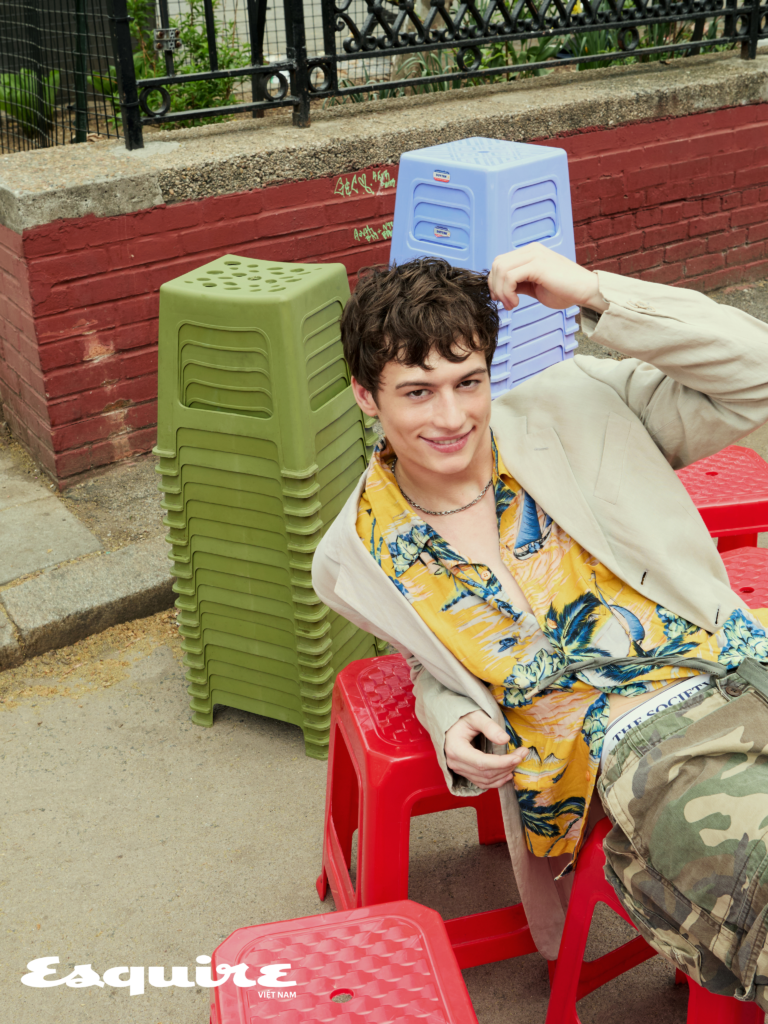
Despite this bold entry into the spotlight, Buquen’s real origin story is quieter. “It started very naturally for me,” Buquen explains. “I had acne quite young, around 14, and I remember seeing my mother do her makeup and being curious about it. One day I tried her concealer, and I realized makeup could make me feel more comfortable, but also more creative.”
Growing up in Paris’ 6th arrondissement, Buquen had also enrolled in ballet classes and recalled dressing rooms where transformation was part of the process. “I remember being backstage, seeing everyone transform before stepping on stage,” he says. “It wasn’t about vanity to me—it was just about preparation. It was part of the discipline, part of the performance.”
That logic carried into a second, seemingly incompatible world: rugby. Doing both sports simultaneously, he says he learned to move seamlessly between studio and pitch without adjusting the core of who he was.
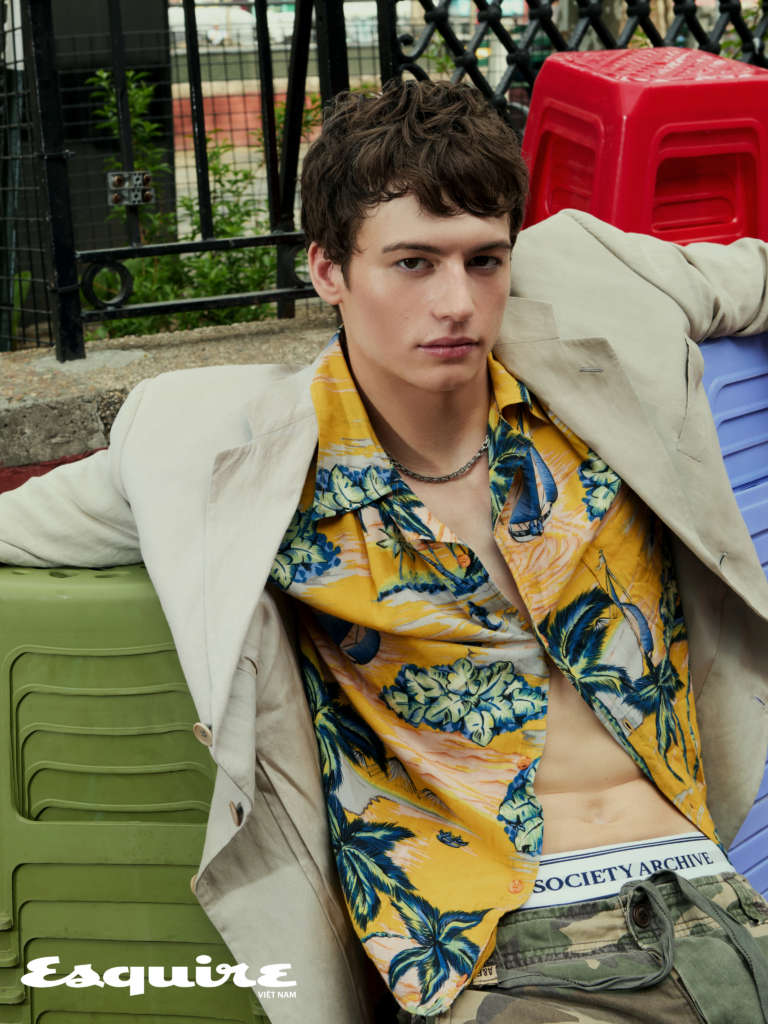
I was doing ballet and playing rugby at the same time—which, if you think about it, is already a study in contradictions
“I was doing ballet and playing rugby at the same time—which, if you think about it, is already a study in contradictions,” he says. “Ballet was mostly girls; rugby was mostly boys. Living between those two spaces taught me that you have to be genuinely open-minded. Those early experiences of having to stand up for yourself—that shaped everything.”
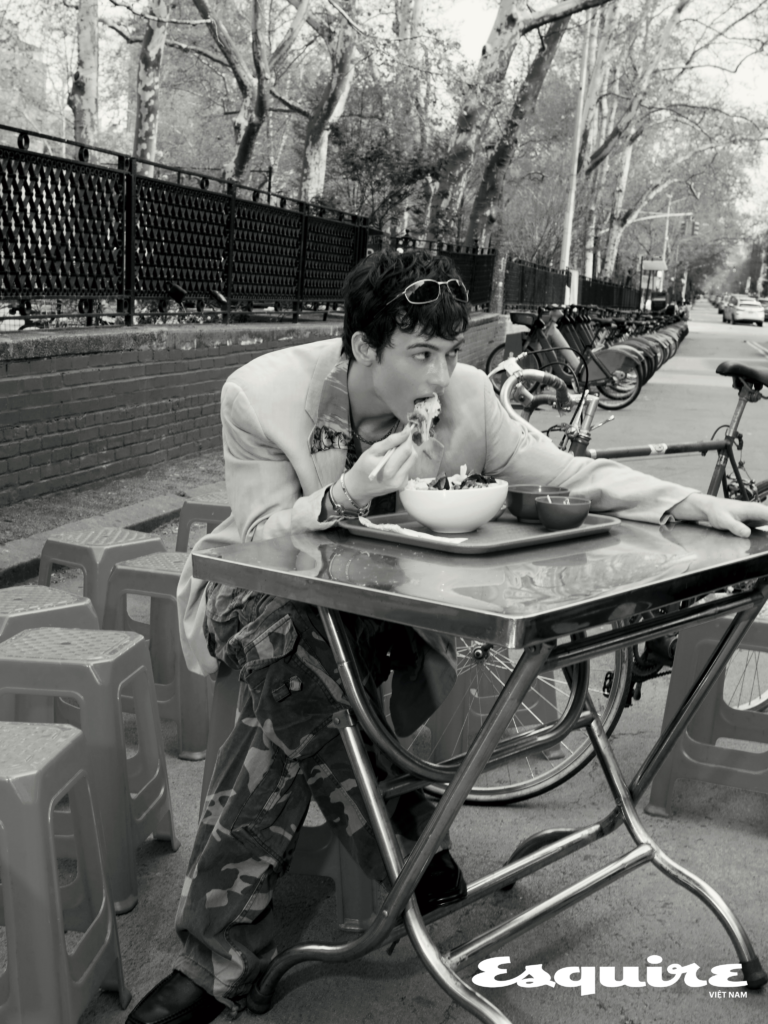
By the time he filmed himself at Gare Saint-Lazare, this was already his personal philosophy. He had been questioned before about his use of makeup, and had learned how to hold his ground without over-explaining. So the decision to do it in public wasn’t strategic so much as inevitable. He had developed, as he puts it, “a kind of armor.”
“I wanted to normalize makeup for men,” Buquen says. “And I thought, what better place than somewhere anyone can see?” What began as a casual experiment quickly accelerated into something else entirely. “It was completely sincere,” he adds. “Looking back, I think the lack of strategy was the strategy.”
Looking back, I think the lack of strategy was the strategy
The response translated quickly into industry attention—less a slow build than a series of immediate escalations. Campaigns and collaborations followed with brands like MAC Cosmetics, L’Oréal, Charlotte Tilbury, and Armani, alongside fashion week invitations and appearances tied to Milan. He moved into global campaigns, including DSquared2’s Icon New Generation SS25, and began circulating within the broader fashion system, not just the image economy.
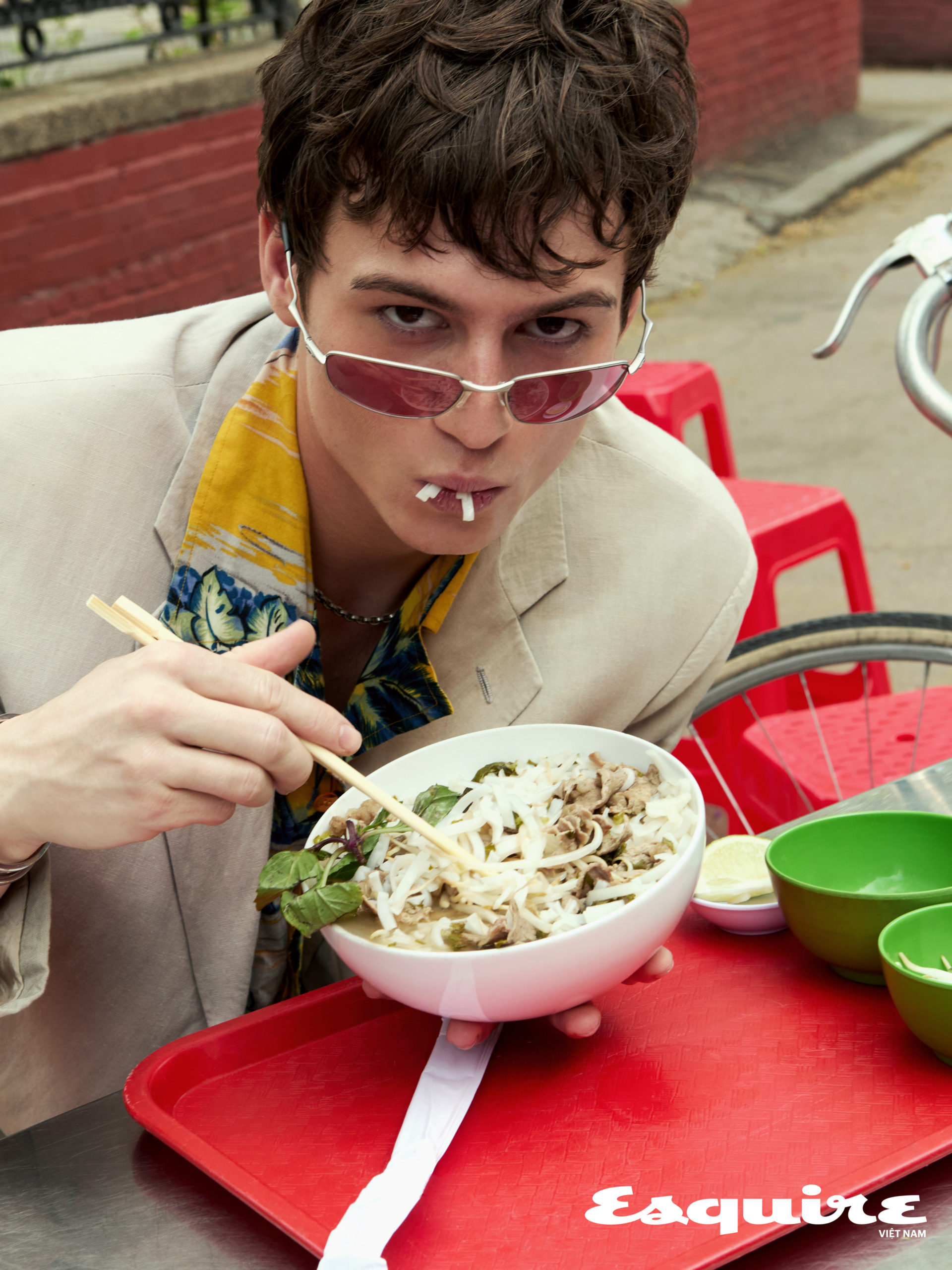
In 2024, Buquen moved to New York City full time with bigger goals as an influencer—and more. He’s more selective now, framing each opportunity less as exposure and more as alignment. He approaches brand work with a set of internal checks—whether the collaboration clarifies what he’s doing or simply amplifies it, whether he’s being understood as a full creative rather than reduced to a symbol.
“Inclusion matters,” he says, “but I also look for freedom. I don’t want to be used as a symbol without being understood as an artist.” The distinction, for him, is structural. It determines what he accepts and what he turns down.
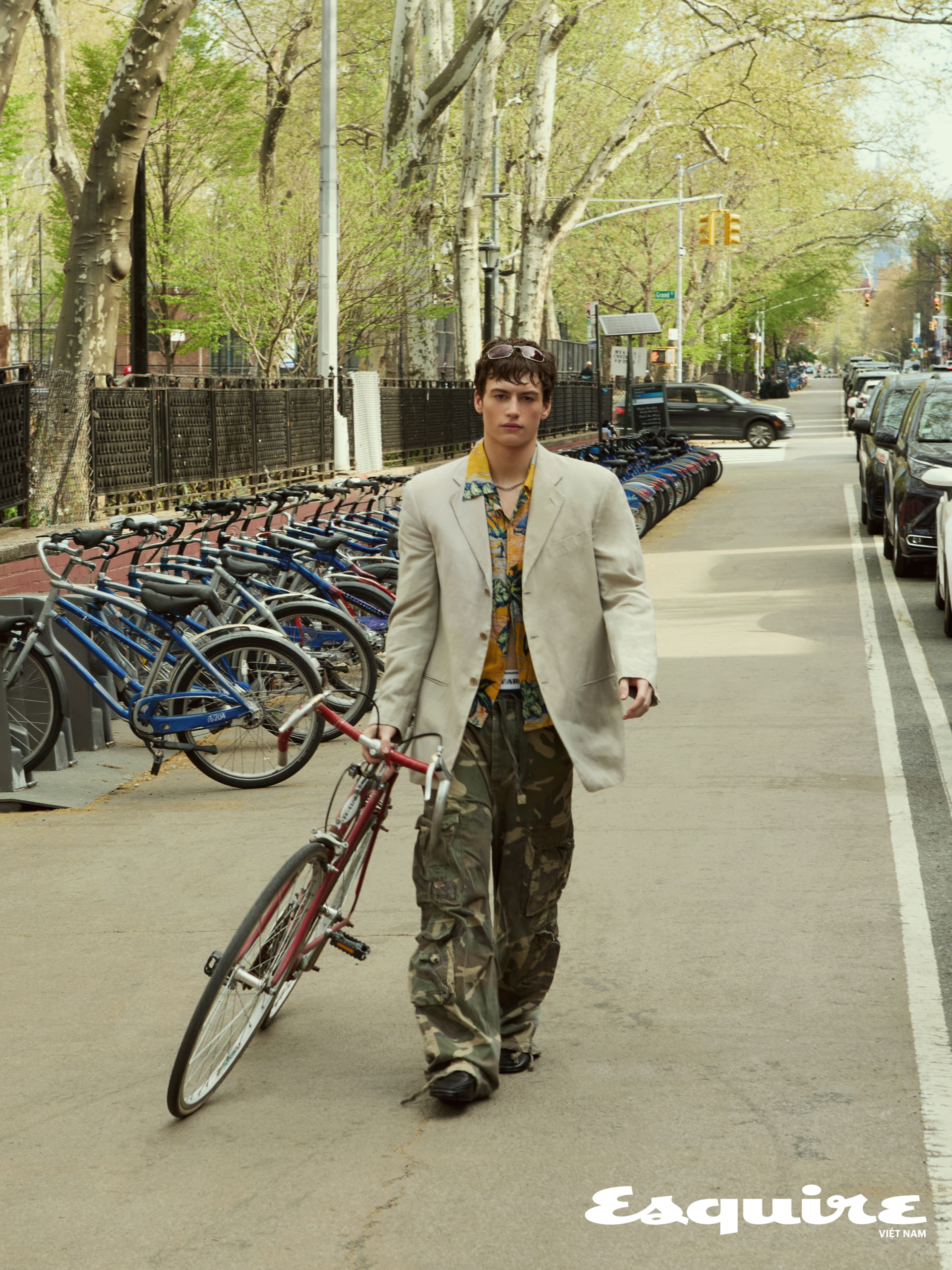
The conversation carries a different weight when it turns toward Vietnam. Though he is part Vietnamese, French, and Italian, this is his first feature interview with a Vietnamese publication, and he treats it as a distinct moment rather than part of the same press cycle. As he explains, his connection to Vietnam is something inherited—carried through family stories, names, and memories, and through small rituals that accumulate over time.
“I’m incredibly proud,” he says. “My family is Vietnamese, and while we grew up in France, that identity has always been close to my heart. When people ask me my ethnicity, I say Vietnamese first. Always.”
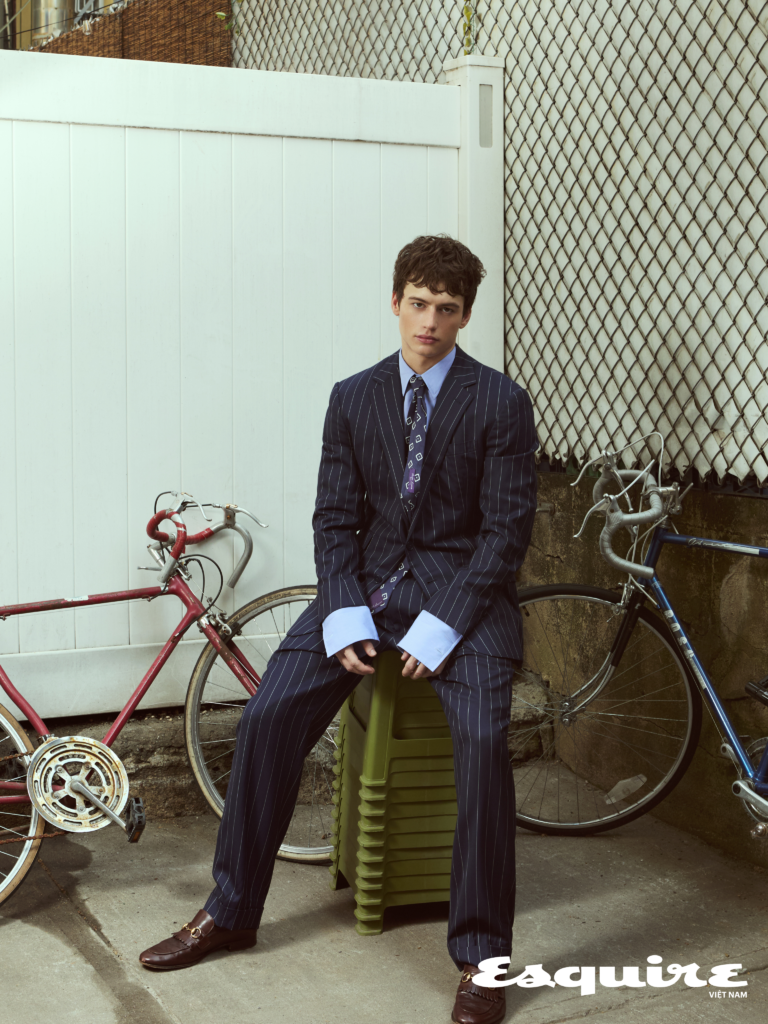
He cites thịt kho [caramelized pork] and phở as dishes so embedded in who he is that he’d love to learn to cook them himself one day. “I won’t pretend I know Vietnamese culture as deeply as I’d like to—I’m honest about that—but I am always open to learning more, and I will always support Vietnam. My uncle in Vietnam follows me on social media now, which genuinely makes me happy. Family pride means everything.”
I won’t pretend I know Vietnamese culture as deeply as I’d like to—I’m honest about that—but I am always open to learning more, and I will always support Vietnam
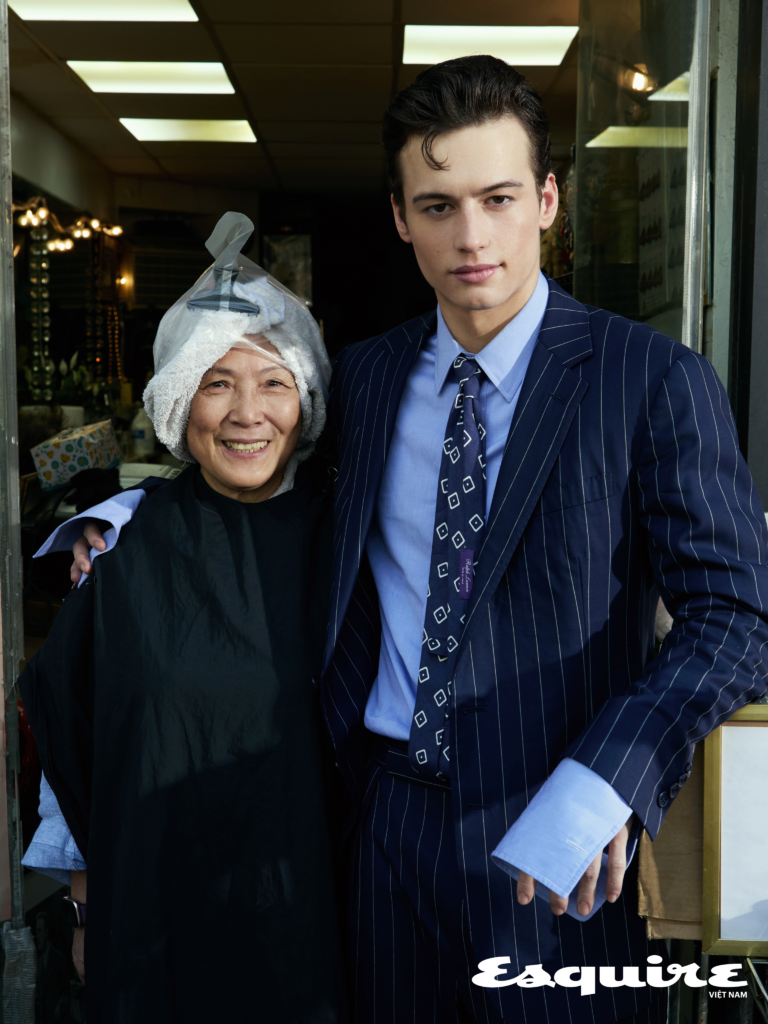
He doesn’t sidestep a more complicated identity question—whether his image, legible as straight, athletic, and conventionally masculine, makes the message easier for some audiences to accept. It’s the kind of advantage that can quietly shape reception, and Buquen is direct about acknowledging it.
“Honestly, yes—I’m aware of it. The way I look probably makes some people more comfortable with me wearing makeup,” Buquen says, acknowledging the advantage without overstating it. He frames it less as a contradiction than a condition of how the message moves—how certain visual codes can soften resistance, making something potentially disruptive feel more accessible at first glance.
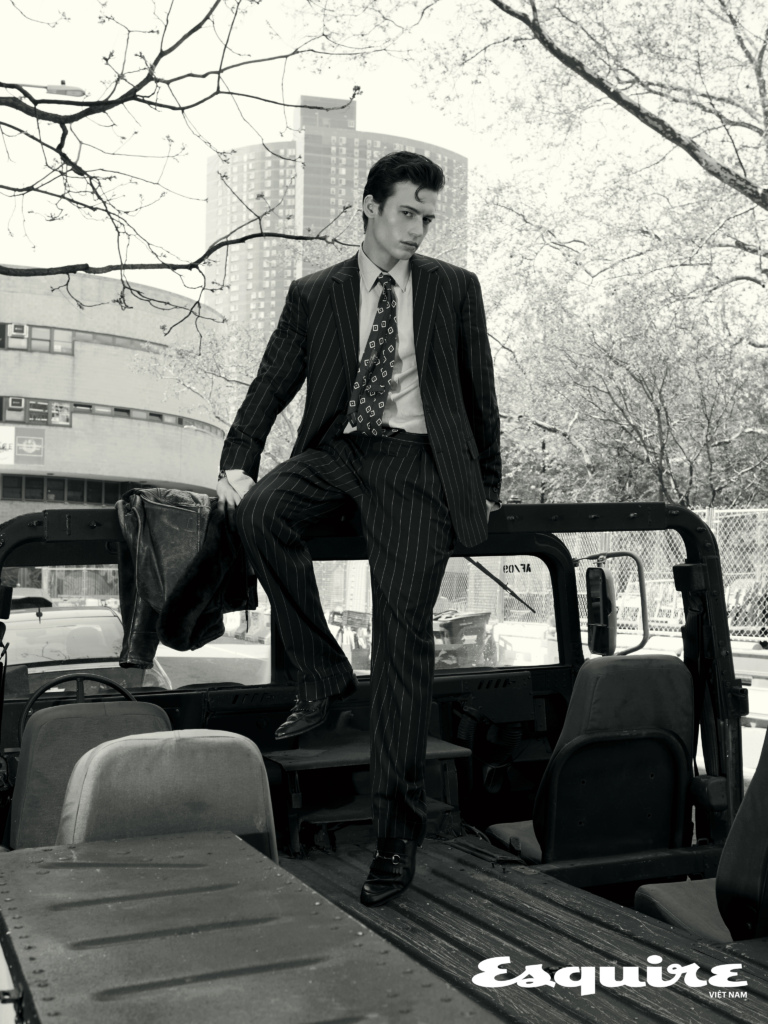
He’s careful not to let that become the premise. “Makeup shouldn’t only be accepted when the person wearing it still looks ‘masculine enough,’” he says, returning to a principle that runs underneath everything he’s built: “Self-expression shouldn’t need permission.” If his image helps open the door, he treats that access as something to extend rather than settle into—particularly for people who don’t move through the world with the same ease.
That sense of direction has always pointed somewhere beyond the frame. Earlier this year, after a stretch of unusual quiet, he took to TikTok to explain why. “The reason I’ve been quiet this time is that I’ve been preparing for something pretty big,” he said—his first main role in a feature film, details still under wraps. Then, more plainly: “This is one of my biggest goals ever.”
Quick questions
What’s your ideal day in New York?
I like to go get some matcha. I like to see friends. I like to go to Chinatown to do my workout at a well-known street park. Then I’d see my friends again and go out, for sure, because going out in Manhattan is the best thing ever.
Skincare routine?
Even when I’m on a plane or a train, I like to bring my stuff—my skincare—and I’ll wash my hands, go to the restroom, and do my routine. No makeup on the plane, just skincare. When I’m out, most of the time, I like to wear a little makeup.
Where do you feel most like yourself?
Everywhere, to me. My family is in France, but I’m used to moving alone as well. So I’m independent.
Do you have a holy grail beauty product you always go back to?
I love blush because without it, makeup can look pale, it’s flat. I love eyeliner because it makes your look more intense. I feel the eyes are the most powerful feature. And foundation, forsure—a good foundation to get beautiful skin.
Do you have a favorite Vietnamese food?
Caramelized pork.
***Creative Team***
Starring: Bách Buquen @bachbuquen.
Editor-in-Chief: Dan Q. Dao @danqdao.
Photographer: William Ferchichi at Imaj Artists @williamferchichi at Imaj Artists @imajartists.
Stylist: Izaake Zuckerman @izaakesouza of The Society Archive @thesocietyarchive.
Creative Director/Producer: Lorenz Namalata @lorenznamalata.
Writer: Amanda Le @amandaischill.
Grooming: Timothy Aylward @timothyaylward of The Wall Group @thewallgroup.
Video: Rob Freedman and Dustin Lee @rbtfdm @dustins.lee.
Shoot Assistants: Alexis Franco @alexisafranco.
Photographer’s Assistants: Nic Lazo @niclazo and Joji Kurokawa @johji__
Retoucher: Kahlil Alcala @kahlilalcala, Anna Galimova @annaretouch.
Production: Fatbrain Collective @fatbraincollective and District One Studios @districtonestudios.