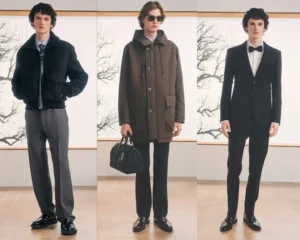
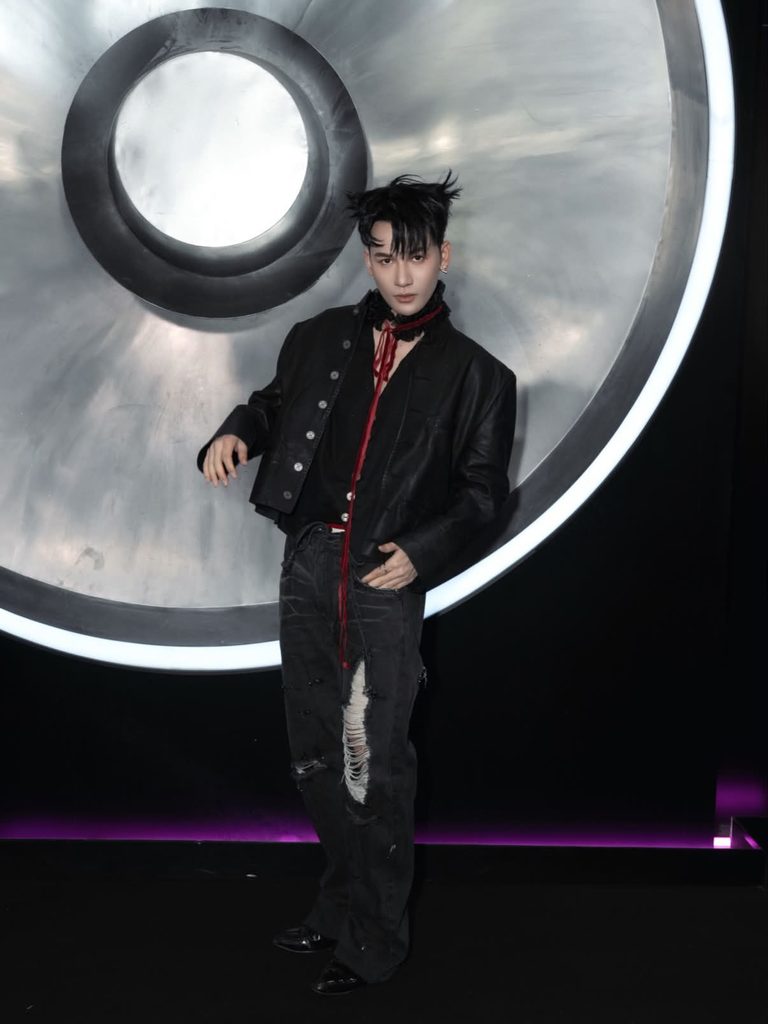
When I meet Lê Thân Bình Kenzo at Permanently Closed, a gallery in Ho Chi Minh City where he has staged his debut Yellow Fever presentation, the young French-Vietnamese designer is walking me through the collection—explaining the stories behind its sharply tailored waistcoats, intricate construction, and unexpected details.
It’s an intriguing mix of old-world elegance and contemporary irreverence—and with autumn upon us, the kind of wardrobe that feels especially appealing. Born in the south of France, Kenzo studied fashion at Istituto Marangoni in Paris before spending three years working as a designer for a French-Japanese label. He eventually moved to Vietnam to pursue his own vision—drawing on all the cultures that have shaped him.
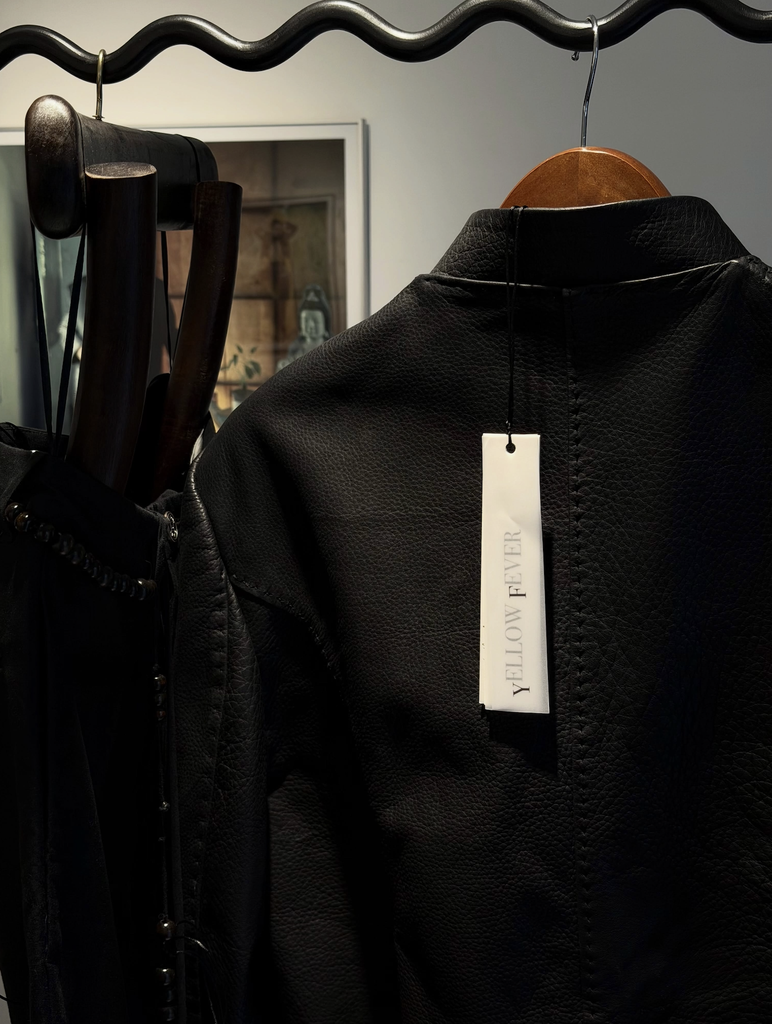
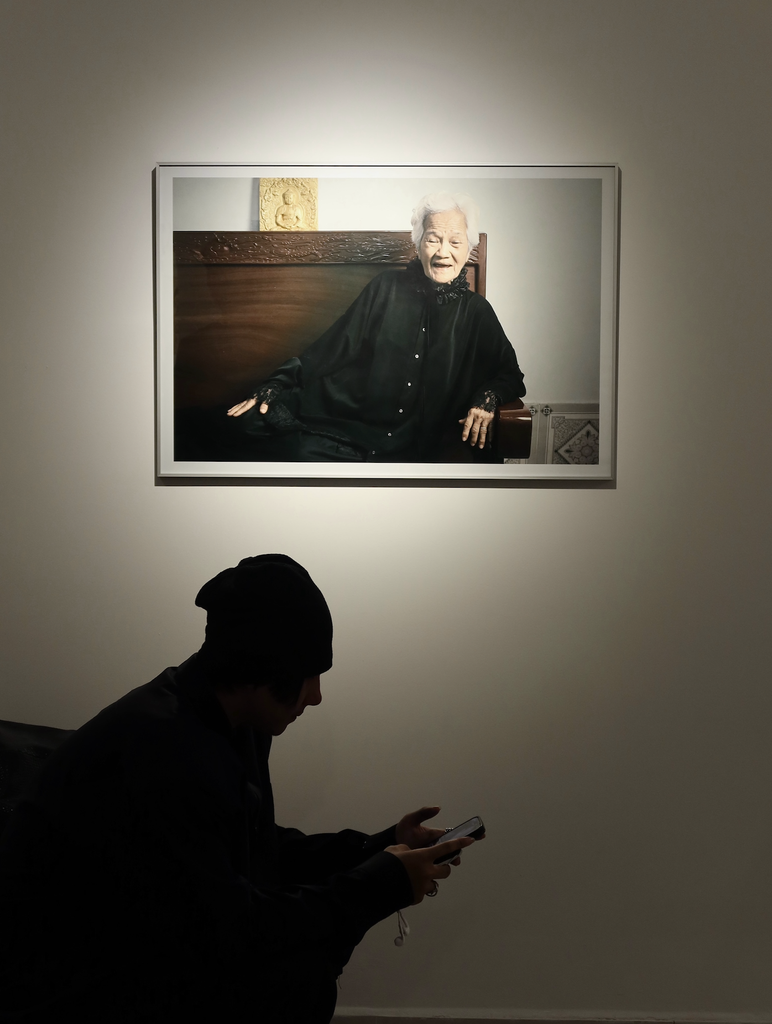
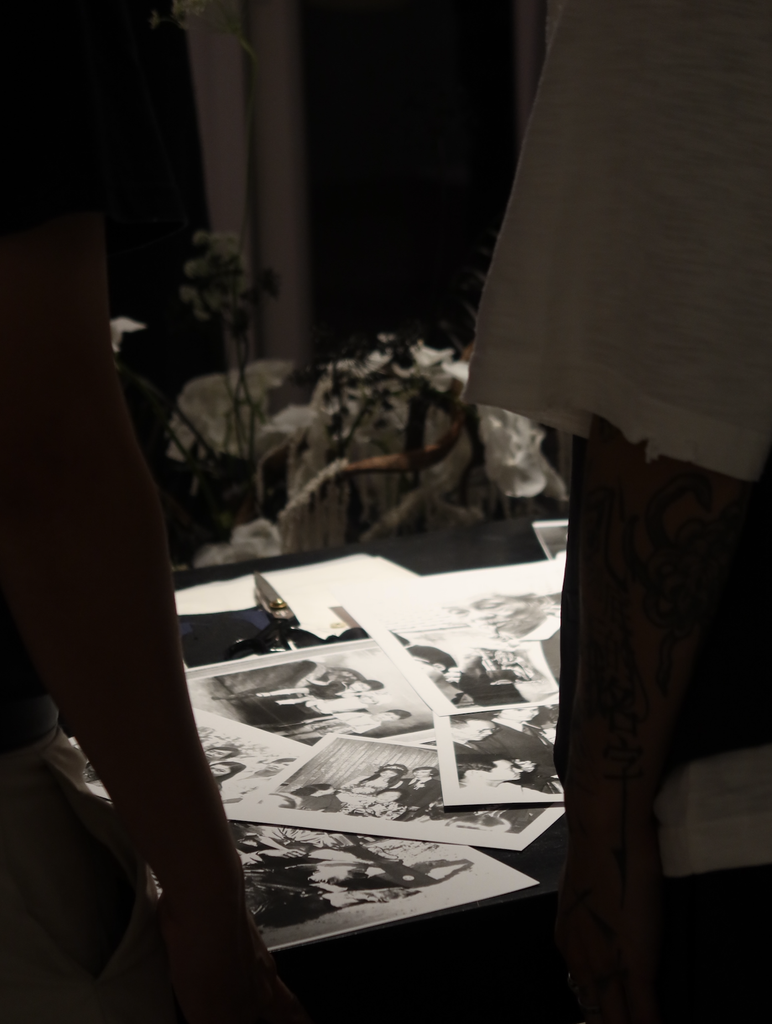
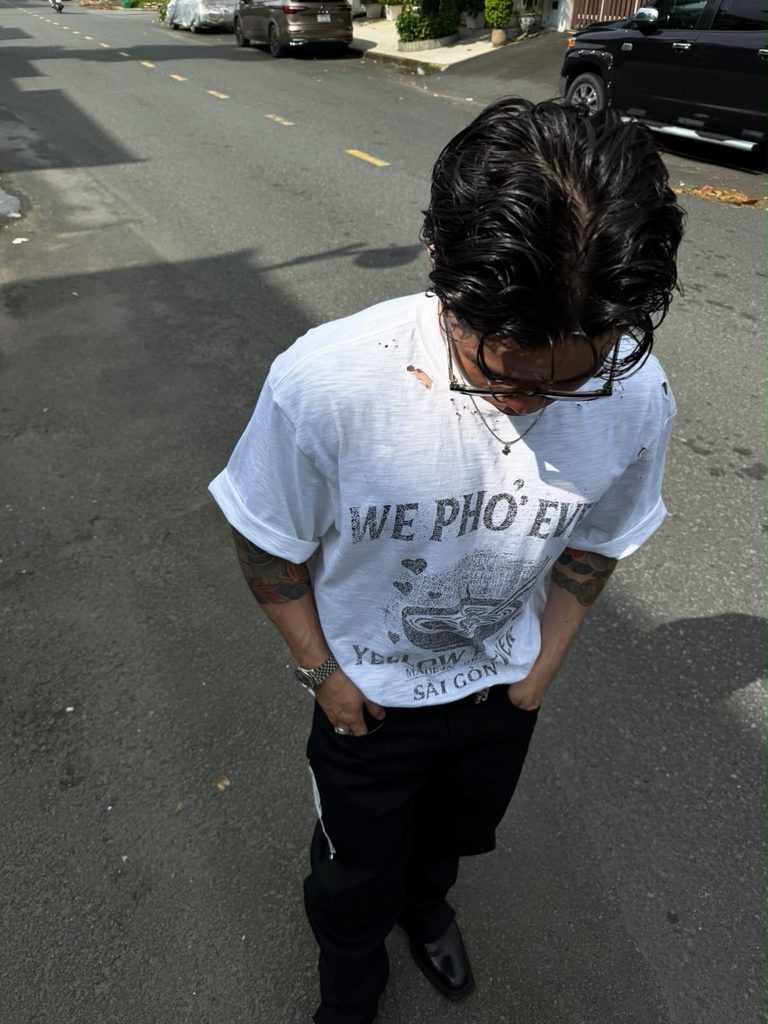
For Yellow Fever, Kenzo looks to vintage French clothing from the 1920s through the 1950s, a period that overlaps with France’s colonial history in Vietnam. Handwoven Vietnamese silk meets European tailoring, while old family photographs inspire waistcoats and other details. There’s humor, too: a tongue-in-cheek souvenir shirt riffs on the graphic tourist tees Kenzo remembers from childhood visits to Bến Thành Market. Even the brand’s provocative name has a playful origin: Kenzo’s father came up with it when the designer first began making T-shirts and hoodies in high school.
Beyond the designs, Kenzo is meticulously preoccupied with how his clothes are made—and by whom. Working with small Vietnamese ateliers and craftspeople, explaining that he favors thoughtful construction and slower production over fashion’s relentless cycle of newness. Eventually, he hopes to divide production between France and Vietnam, creating a two-way cultural exchange while keeping Yellow Fever deliberately small and independent.
ESQUIRE VIETNAM: What brought you back to Vietnam at this point in your career?
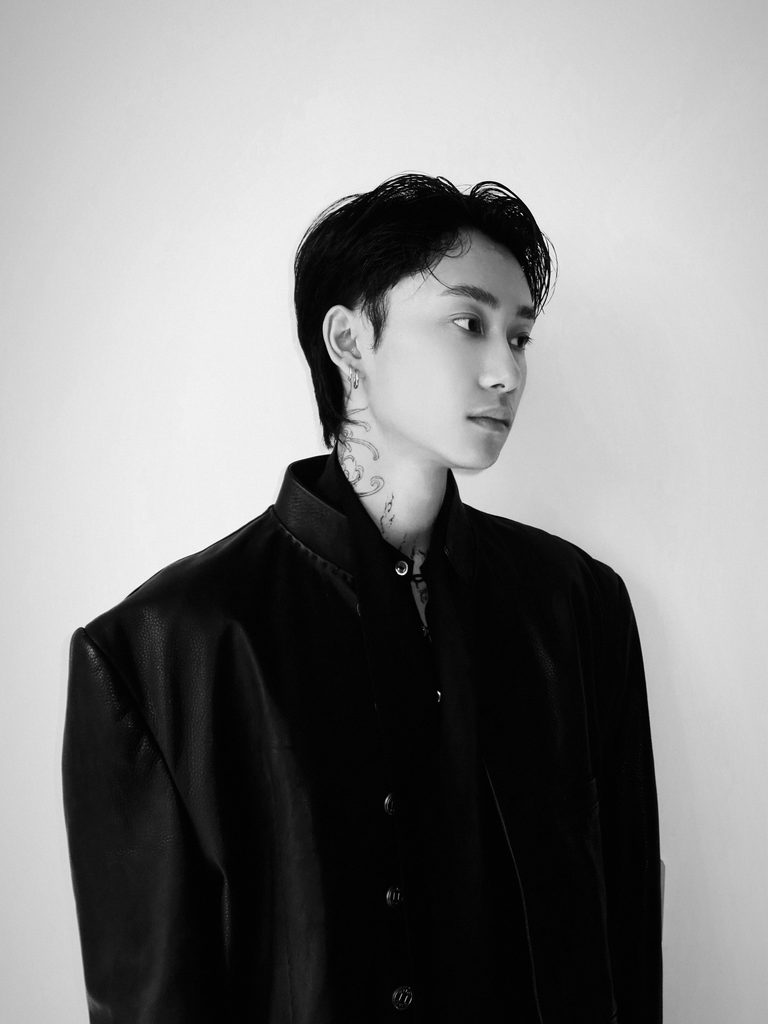
KENZO: I had been working for three years under another brand’s creative direction, and I felt like I needed a break to adjust myself again between my two cultures. I wouldn’t say “reconnect,” because I’ve always been connected to my Vietnamese roots. But I wanted to spend time here and understand what it would mean to work independently in Vietnam. It also made sense practically, because I wanted to work directly with ateliers and workshops here.
How did Yellow Fever begin?
It actually started when I was in high school. I was making T-shirts and hoodies, and my father came up with the name Yellow Fever. At the time I didn’t really speak English, but he did. Then I stopped when I went to fashion school because I needed time to develop my own taste and understand what I actually wanted to make. The name stayed with me, though.
What changed in your approach to design after working professionally in Paris?
When you’re a young designer, you tend to think about the visual first—especially the front of a garment. Working professionally taught me to think about construction first. Now I start from the inside, then I think about the back, and the front comes last. That experience really changed the way I understand clothing. I draw everything, and if something is particularly complicated, sometimes I’ll sew it myself to understand how it needs to work.
There are a lot of references to older French clothing in the collection. Where does that come from?
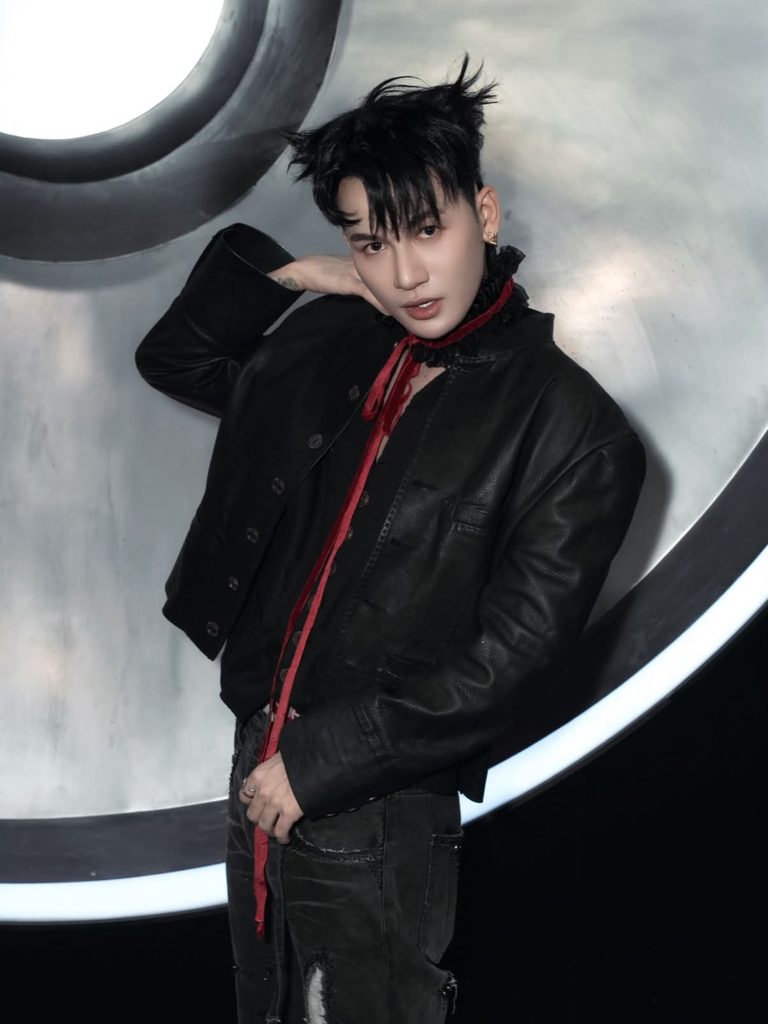
I collect vintage clothing, mostly from the 1920s through the 1950s, and most of it comes from Paris. That period interests me because it overlaps with the history between France and Vietnam, when Western clothing was being introduced and adapted here. I’m interested in how those clothes changed once they entered a different context, especially in Saigon.
How does your own family history enter into the collection?
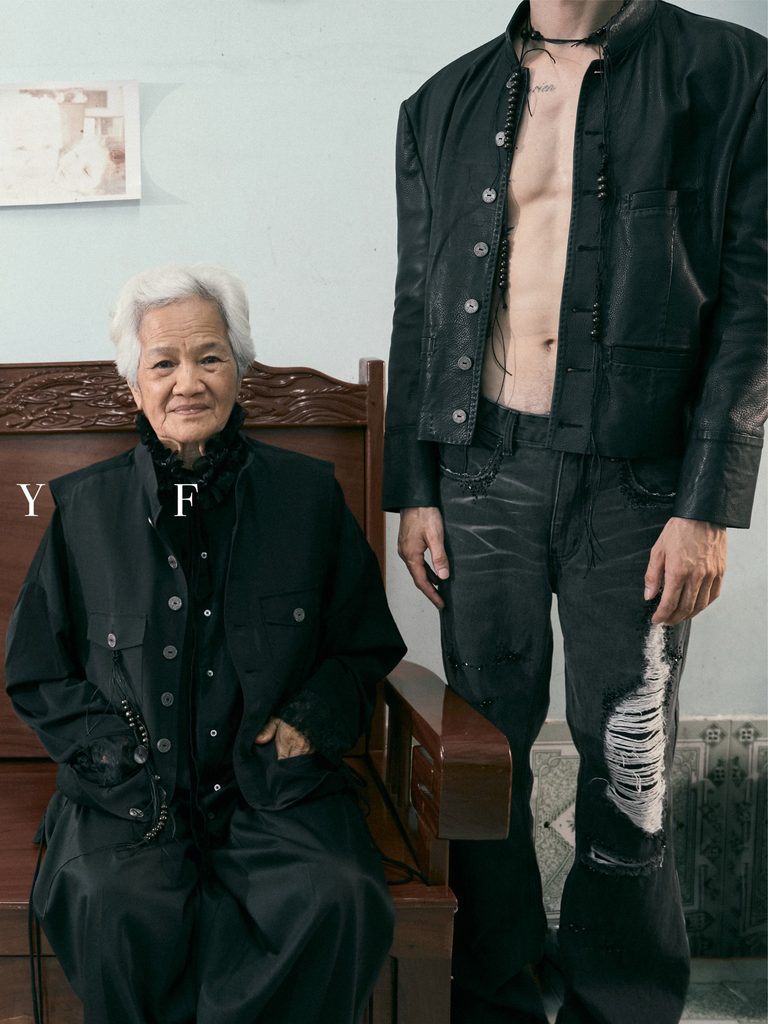
I have old family photographs from that period, and you can see people wearing waistcoats and tailoring that reflect both French and Vietnamese histories. Those images became references for some of the pieces. Even details like the coin buttons come from looking at older garments and thinking about how those references can be translated rather than simply reproduced.
You’re also working with Vietnamese materials and makers. How did you approach that?
The silk comes from northern Vietnam, above Hanoi, and is traditionally handwoven. I tried working with different factories and ateliers when I first arrived, but I realized I preferred very small workshops, sometimes just two or three people. My Vietnamese is good conversationally, but I don’t always have the technical vocabulary for fashion, so there was definitely a learning process. Working closely with smaller ateliers made communication much easier and also felt more aligned with what I want Yellow Fever to be.
The souvenir shirt feels much more playful than the tailoring. Why include it?
The rest of the collection is quite serious, so I wanted something more casual and sarcastic. Growing up, I would travel back and forth to Vietnam, and I remember seeing all those tourist shirts at Bến Thành Market with bánh mì, iPhones, and different graphics printed on them. I wanted to reference that kind of souvenir clothing without making it too literal or too playful.
What do you want Yellow Fever to become from here?
I’m mainly thinking about selling in Europe, although there has been interest here in Vietnam too. I want to bring a little bit of Vietnam to France and Europe, and a little bit of France here. Right now most of the collection is made in Vietnam, but eventually I’d like production to be balanced between France and Vietnam. I don’t want Yellow Fever to become something mainstream or overproduced. There is already so much clothing and so much waste in fashion. I would rather keep it small and make things slowly for people who understand the construction, the way the clothes are made, and why that matters.
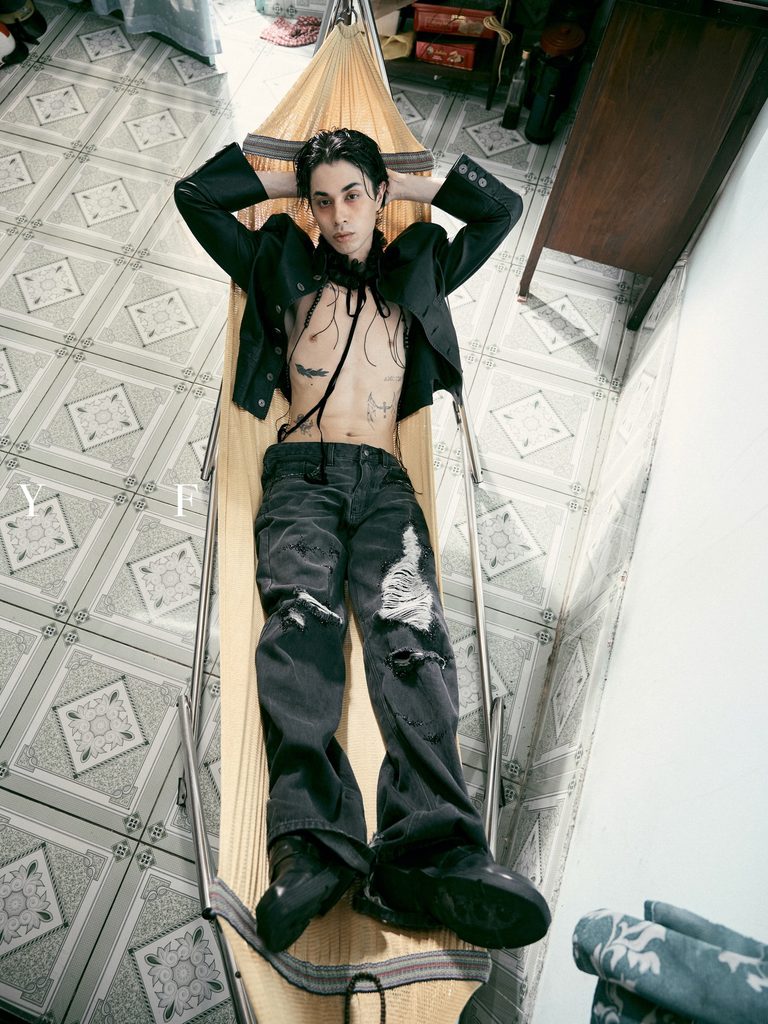
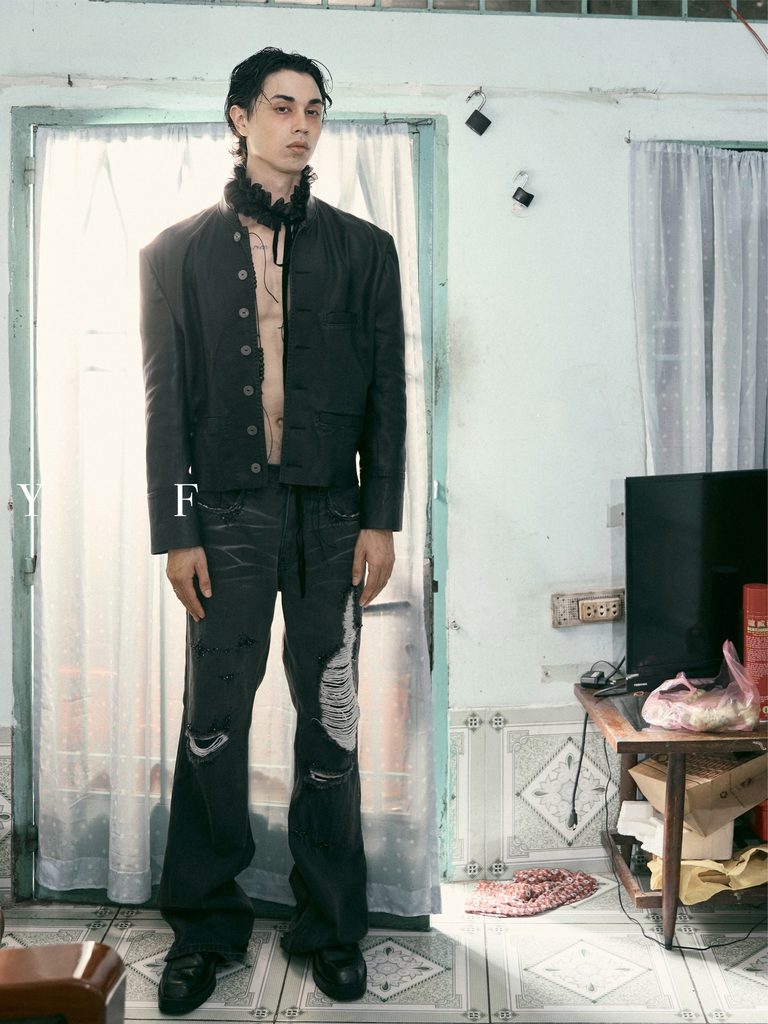
Photo courtesy of Yellow Fever