In 2023, when Michelin arrived in Vietnam for the first time, I was in the room. As a food writer documenting Vietnam’s restaurant scene for a decade, I was genuinely excited. It appeared Vietnamese restaurants were finally getting the recognition they’d long deserved—a global institution arriving to validate what many of us already knew: that this is one of the great food cultures in the world.
That excitement, in hindsight, feels naive. Not because Michelin came, but because I bought the idea that it was some higher, objective authority on taste, rather than what it is: an influential but deeply subjective framework with its own blind spots, biases, and commercial incentives. Once the first selections landed, the mythology began to crack—and not just for me. The reaction online was blunter than anything I’d have printed: these people, Vietnamese netizens decided, were pretty clueless.
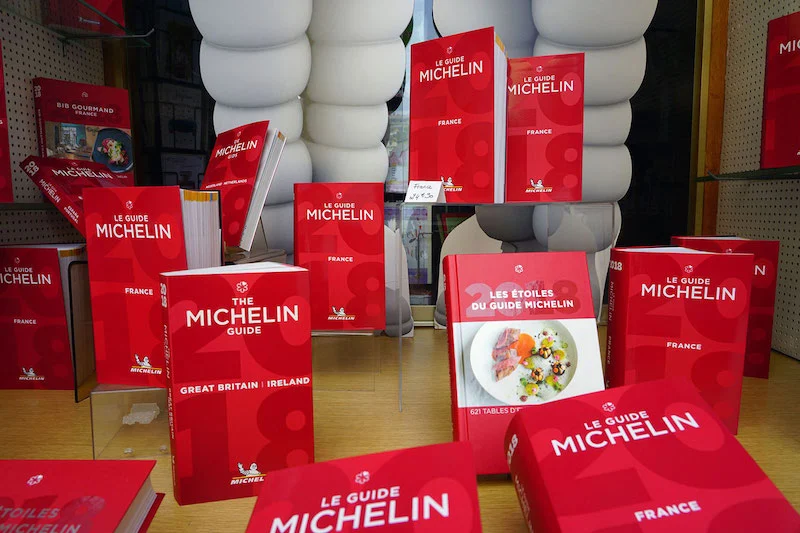
But before the food, a history lesson: Michelin wasn’t founded as a cultural authority, or even a restaurant guide. It was founded in 1900 to sell tires, by encouraging French motorists to drive farther. Restaurants were just useful infrastructure in that strategy. It was never created to celebrate great food—only to sell more tires. That we now treat it as a cultural authority is one of branding’s greatest tricks.
That irony lands especially hard in Vietnam, where Michelin’s relationship with this country began not with restaurants but with colonial extraction. Around the time the guide was launched, Michelin was profiting from French Indochina’s rubber economy, built on land seizure, forced labor, and violence. It takes some audacity for that same brand to return a century later as the world’s authority on taste—especially given how French colonial attitudes dismissed Vietnamese culture, food included, as primitive.
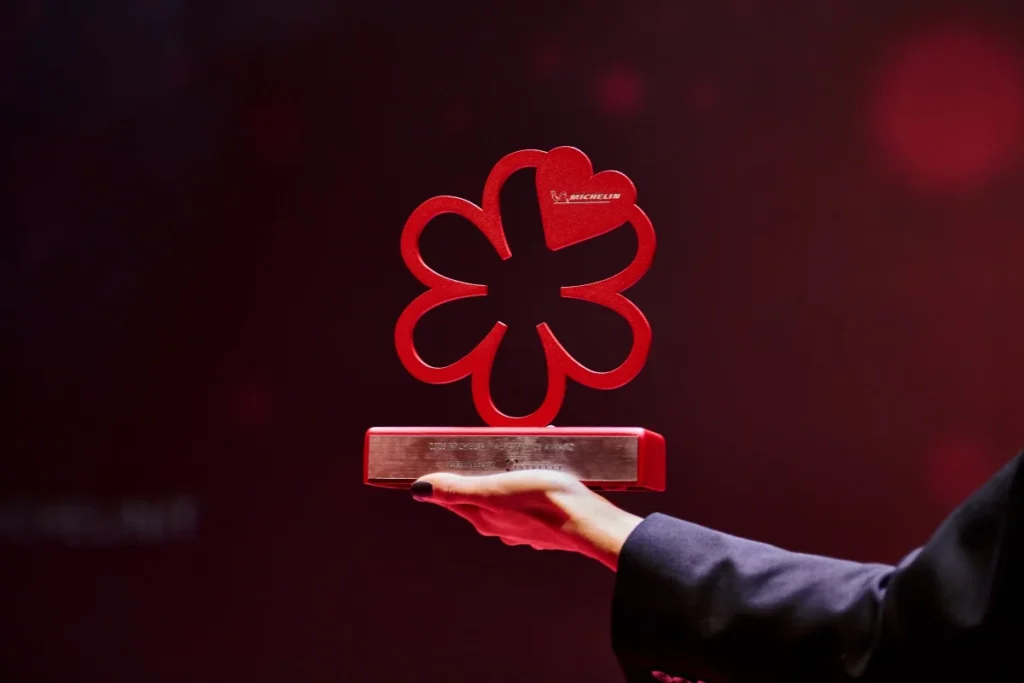
To be fair, Michelin today offers young chefs and independent operators all over the world a life-changing opportunity. The coveted Michelin star is a guaranteed way to increase visibility, reservations, and financial investment in an industry with razor-thin margins. So I would never criticize a chef for being excited, even overjoyed, for the recognition.
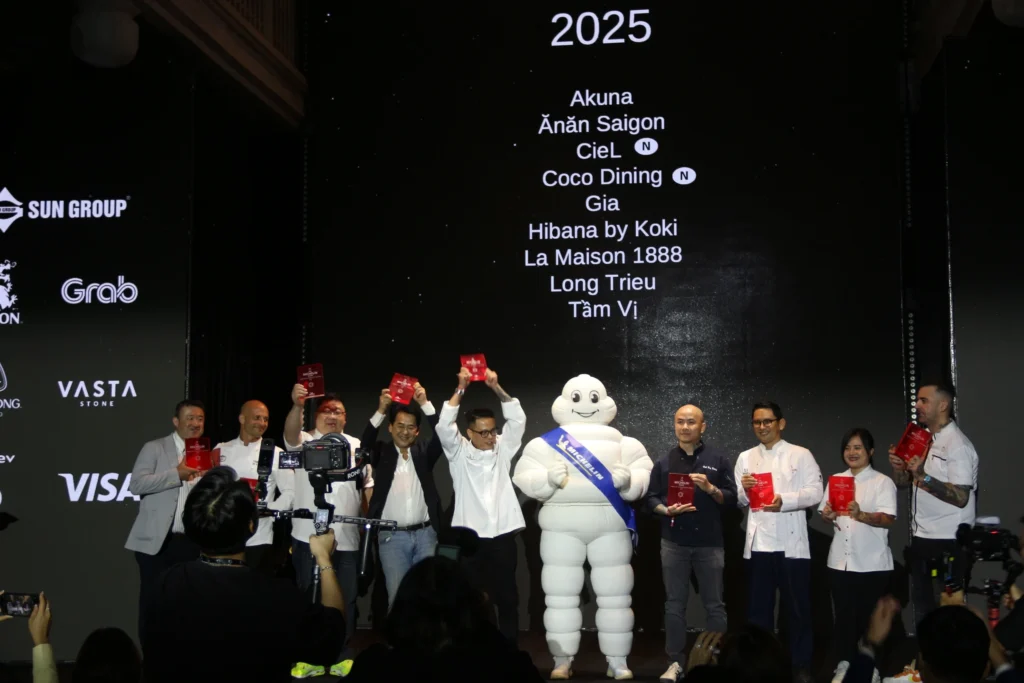
And indeed, the Michelin guide does include many deserving restaurants. In the way even a broken clock is right two times a day, I even agreed with some of their selections. Take Anan, the first Michelin-starred restaurant in Saigon, whose chef Peter Cuong Franklin I interviewed in 2021. Or Ciel: before it ever earned a star, I had already named it one of the best new restaurants in the world. But my point is: Michelin didn’t make any of these restaurants excellent; it simply arrived late enough to notice.
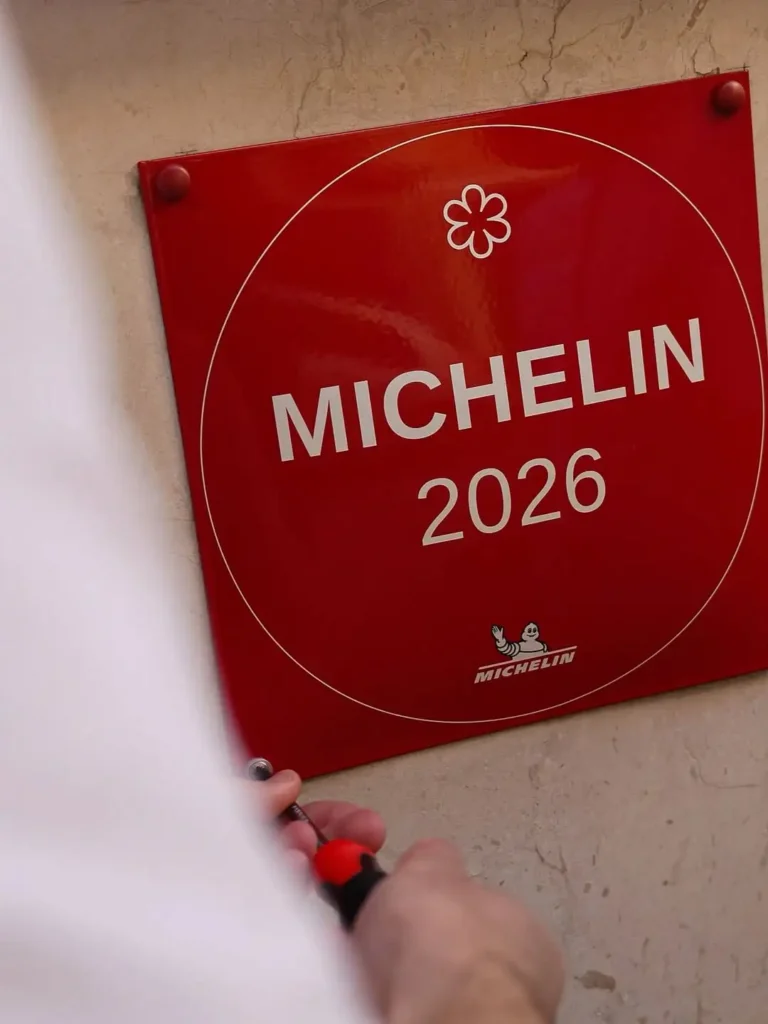
Beyond fine dining, the guide has also evolved beyond the European fine-dining mold: it also considers more affordable eateries through its “Recommended” list and its Bib Gourmand list. But a broader palate isn’t neutrality. Some of the most meaningful food in Vietnam resists Michelin logic entirely: our food is hyper-local, personality-driven, shaped by mood, instinct, weather, and memory as much as technique. A transcendent bowl of bún riêu isn’t made more meaningful because an anonymous inspector approved it.
Finally, for all the benefits Michelin offers to our restaurant scene, it also fundamentally changes it. Michelin doesn’t just evaluate restaurants; it reshapes the ecosystem around them—media coverage, tourism, how chefs define success. Entire dining scenes start orienting themselves around a framework built in France. Increasingly, we’re seeing menus optimized towards obtaining a star.
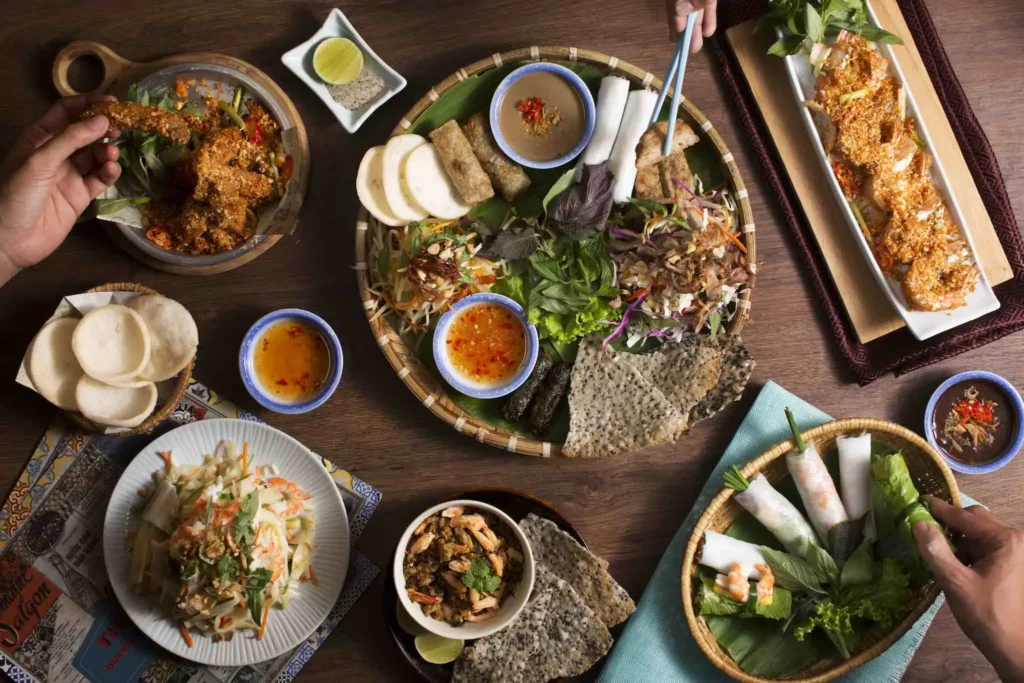
At the end of the day, the problem is not that Michelin exists. Critics and guides always will, and many are useful shorthand. But as we once again prepare for another installment of Michelin in June, I urge the dining public—Vietnamese consumers, tourists, and chefs alike—to allow for a degree of skepticism informed by history and taste. Most already know better. We just need to be willing to say the quiet part out loud.