“When they called my name, everything slowed down,” says Jack Titus. “It wasn’t just excitement — it was a quiet realization that every sacrifice, every risk, and every step had led to that moment”.
Reflecting on the moment he won Mister Model International 2025, hosted in Barranquilla, Colombia, Titus speaks less about image and fame and more about responsibility and purpose. “Winning didn’t just change my opportunities, it changed my perspective. I now move with a deeper sense of responsibility because I represent more than myself. Every decision feels connected to a larger purpose”.
But the victory was also confirmation he was on the right path — especially since modeling was never the plan. Before fashion, the Thai-born model trained in medical assisting at the University of Nevada Las Vegas. This background helps explain why the word that keeps returning in our conversation is responsibility. “Healthcare taught me discipline, empathy, and structure,” he explains. But he soon realized structure alone wasn’t enough.
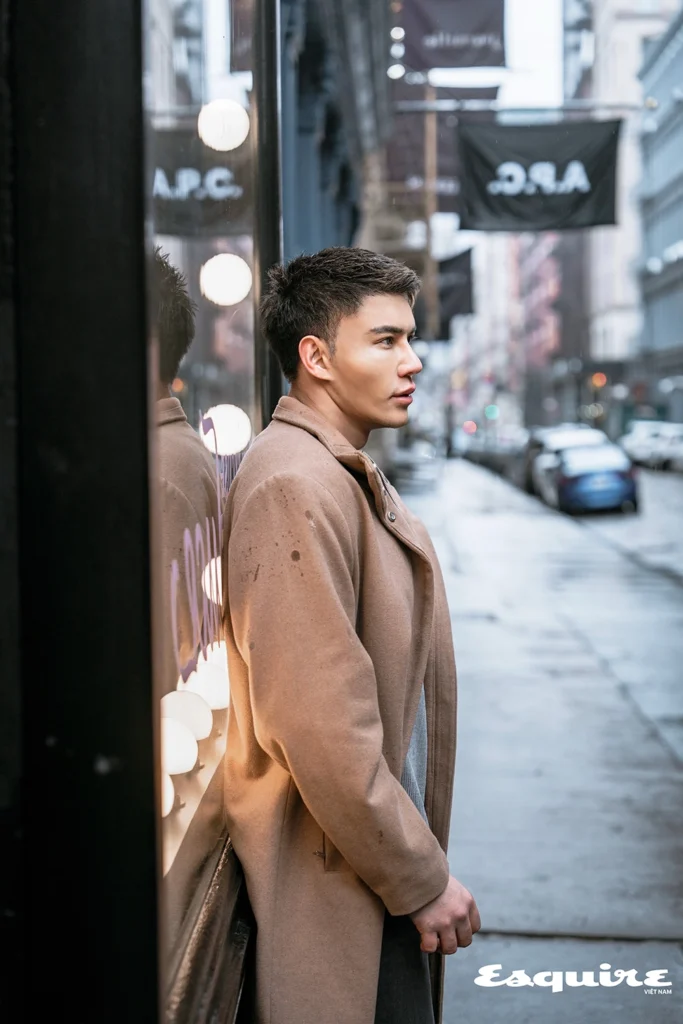
I realized I needed a space where I could express identity and creativity. Modeling became a language for storytelling
The career transition meant abandoning certainty for ambiguity, a choice he frames less as bravery than honesty. “Changing paths was challenging because it meant stepping into uncertainty, but growth often begins when you choose authenticity over safety.” That mindset now informs how he approaches visibility itself: Titus is less interested in being seen than in what visibility can produce.
He cites Naomi Campbell and David Beckham not simply as celebrities but as architects of legacy. “To me, a role model is someone who proves success isn’t just about being seen, but about creating something meaningful that lasts”.
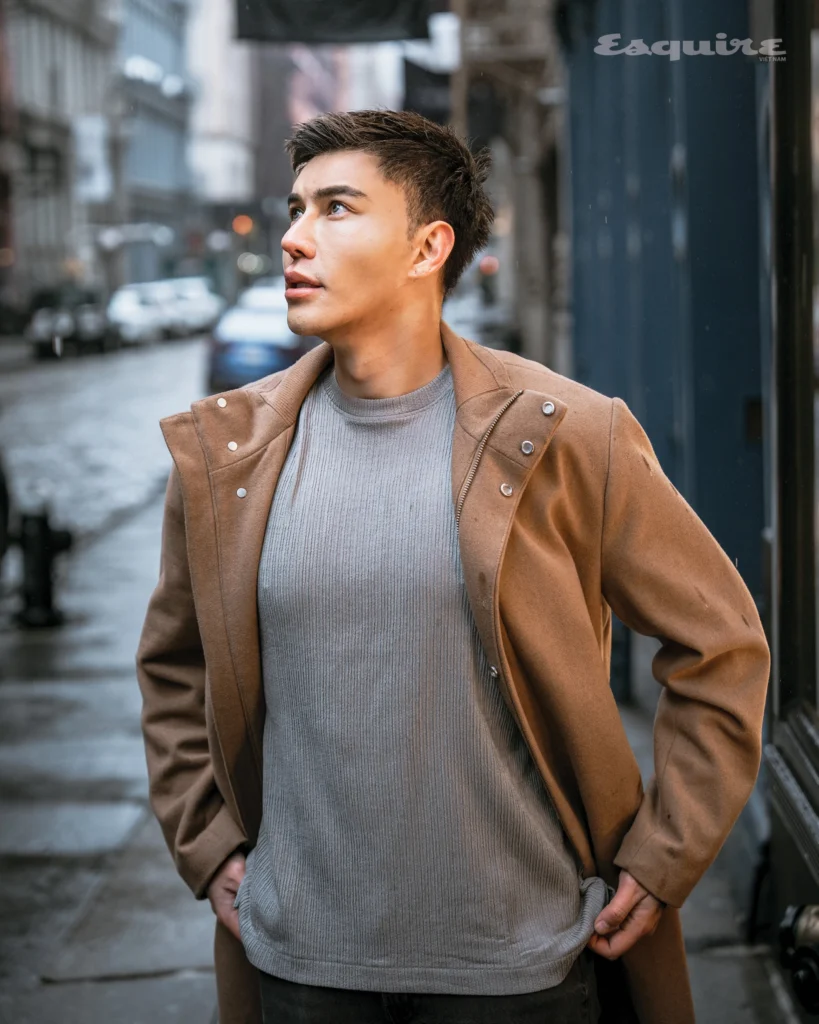
For someone who has become increasingly comfortable on stage, he admits he still struggles with the act of self-description. “I still feel awkward in moments where I have to talk about myself too much. I’m naturally more observant than expressive”. Before a runway or appearance, he reframes performance into presence:
I remind myself that I’m not there to be perfect, only to be present and authentic
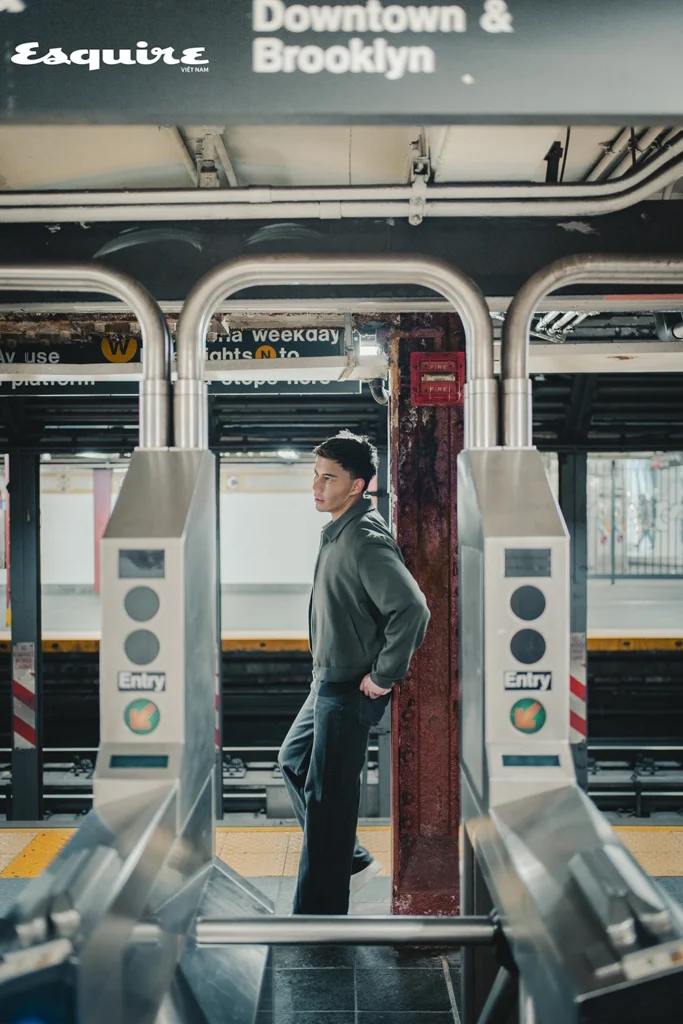
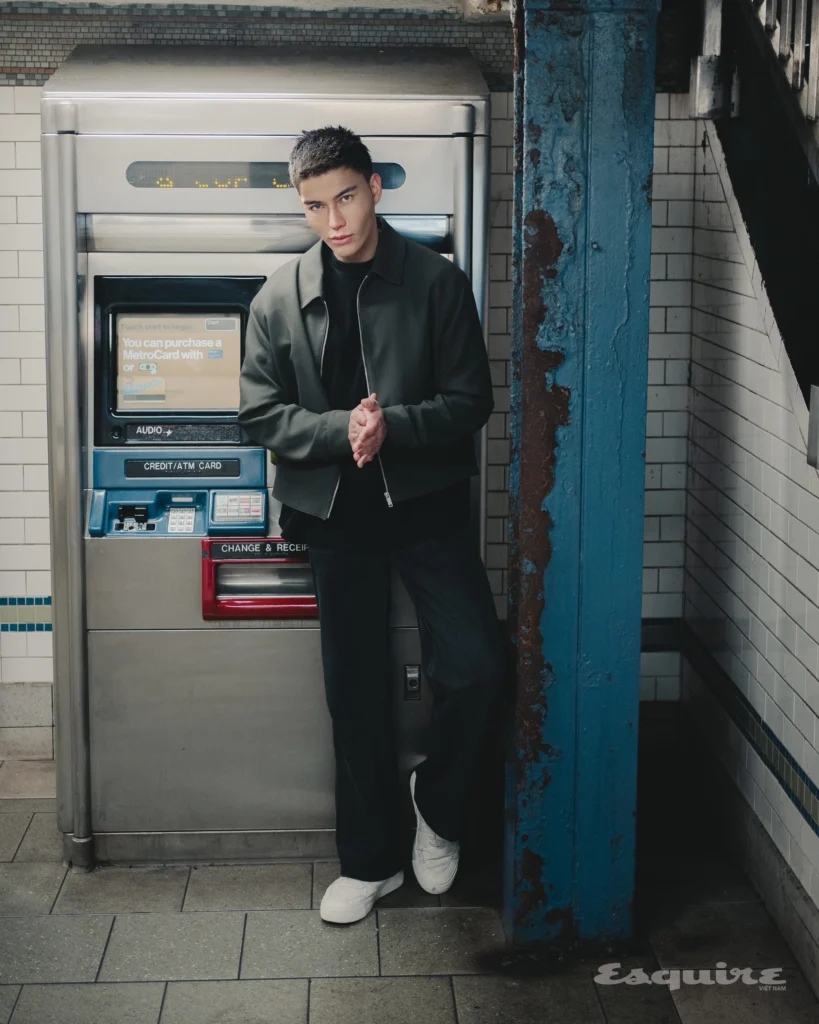
For someone who has become increasingly comfortable on stage, he admits performance itself is not instinctive. “I still feel awkward in moments where I have to talk about myself too much. I’m naturally more observant than expressive. Before stepping onto a stage, I focus on grounding myself in purpose instead of pressure. I remind myself that I’m not there to be perfect, only to be present and authentic”.
That idea of grounding — in identity rather than image — extends to the way Titus understands growing up between cultures, having been born in Thailand but schooled in the United States. “I feel most Thai in my values, respect, humility, and connection to community. I feel American in my mindset of independence and possibility. The perfect balance is honoring your roots while allowing yourself to evolve without fear”.
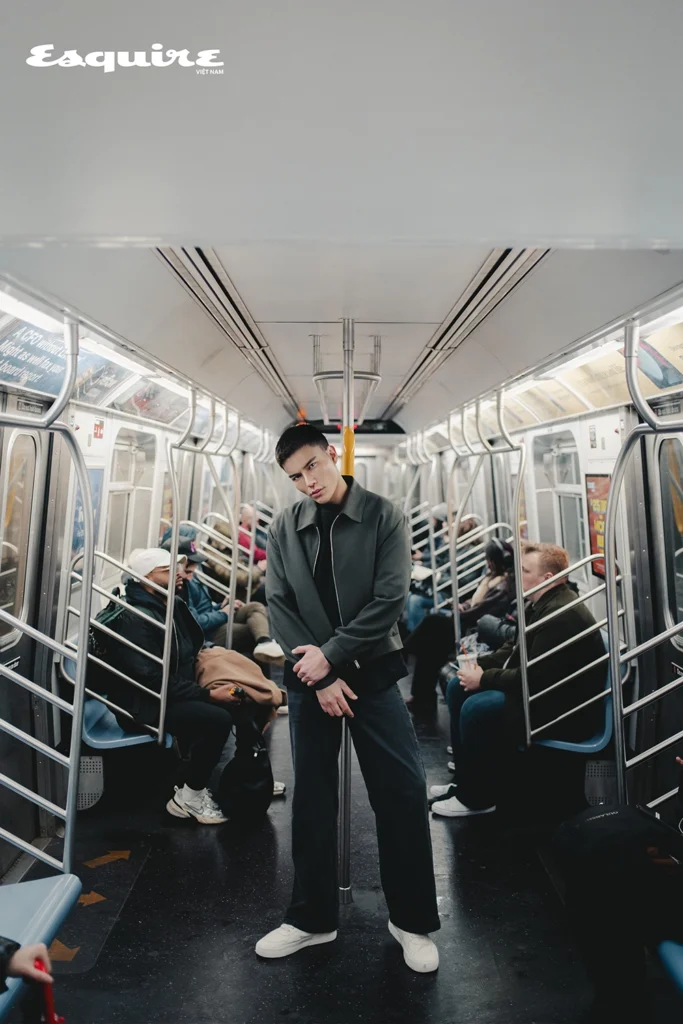
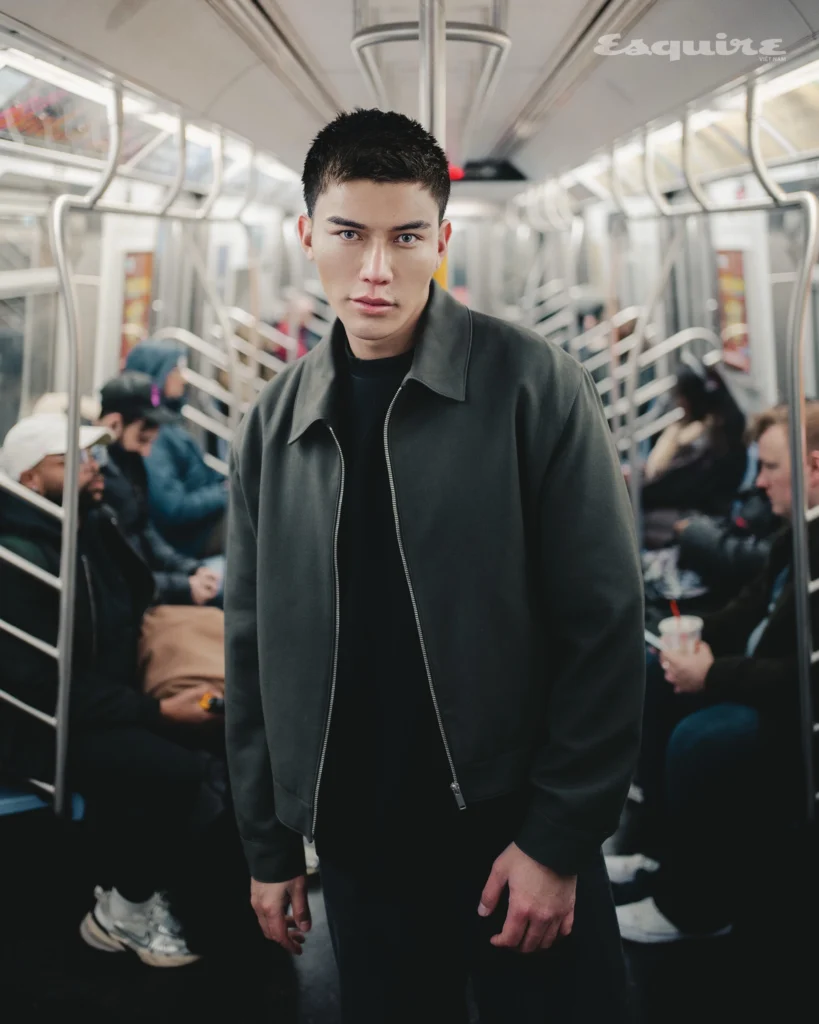
Music gives him a parallel language for that balance. “Music started as a private space where I could express emotions that weren’t always visible externally. Modeling is how the world sees me, but music is how I speak to myself. I don’t separate the two because they are simply different forms of storytelling”.
The same sense of purpose carries into his advocacy work with youth organizations. The conversations, he says, are different from those he has with adults. “Young people ask very honest questions like, ‘Were you ever scared?’ or ‘Did you ever want to quit?’ Adults often focus on outcomes, but youth want to understand the process. The most rewarding part is seeing someone realize they don’t have to wait to be perfect before they begin”.
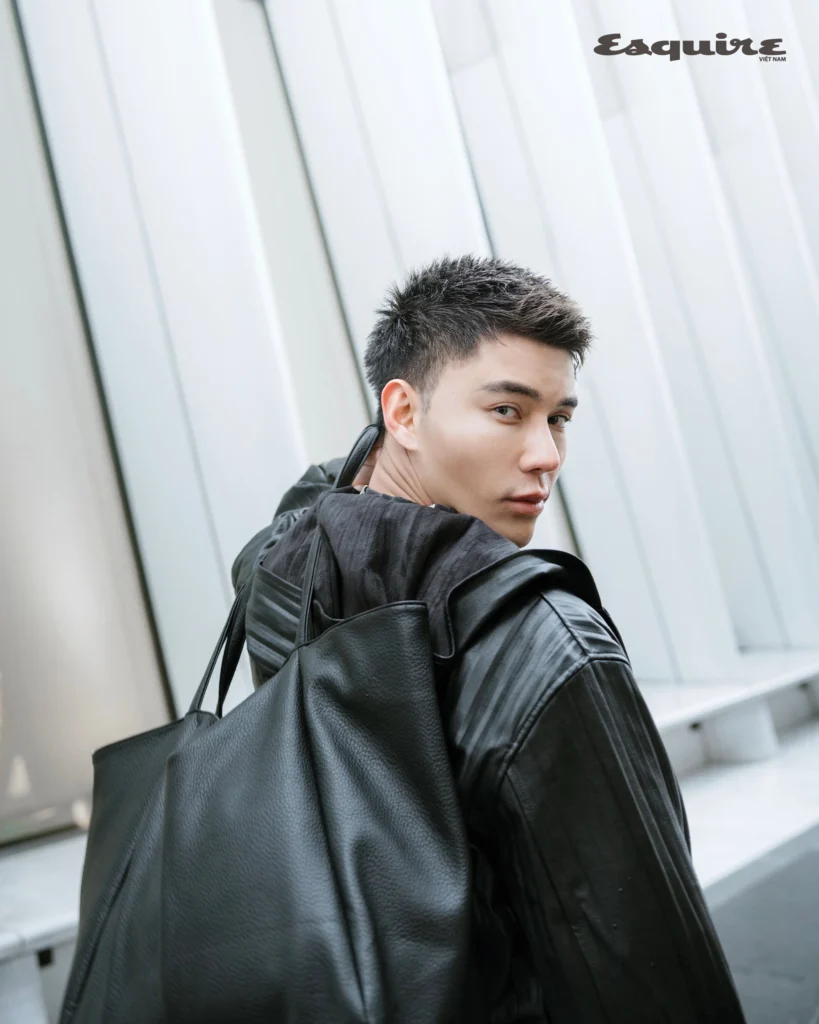
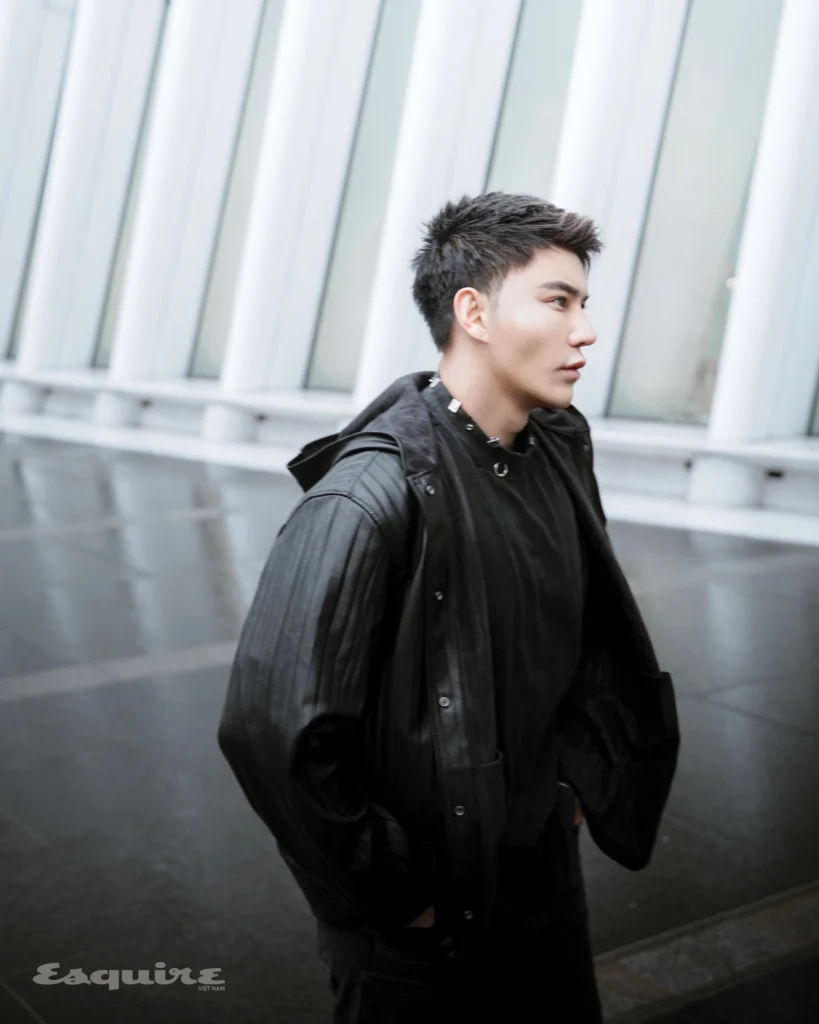
Beyond advocacy, Titus sees travel as the experience that gives his representation meaning. Having visited more than 50 countries, he describes movement not as escape but calibration — a way of understanding how identity shifts across cultures. “Every country leaves a different imprint, but I’m always drawn to places where culture feels alive and expressive.
Traveling teaches humility. It reminds me that the world is bigger than any single perspective and that connection often exists beyond language

That perspective shapes how he approaches the Mister Model International title. For Titus, representing Thailand — while also carrying an American upbringing — mirrors what the pageant asks of its winners: to stand as individuals while embodying shared values that cross borders. Moving between Thai and American contexts, and constantly entering new ones, he’s learned that representation isn’t fixed; it’s negotiated in every interaction. “Representation means responsibility. I want people to see strength, elegance, and depth when they see an Asian model. It’s about expanding perception and opening space for future generations”.
When asked about the legacy he hopes to leave, Titus is deliberately modest in tone but large in implication. “I want to leave proof that success doesn’t require losing your identity. If my journey helps someone believe their background is a strength rather than a limitation, that would be meaningful”.