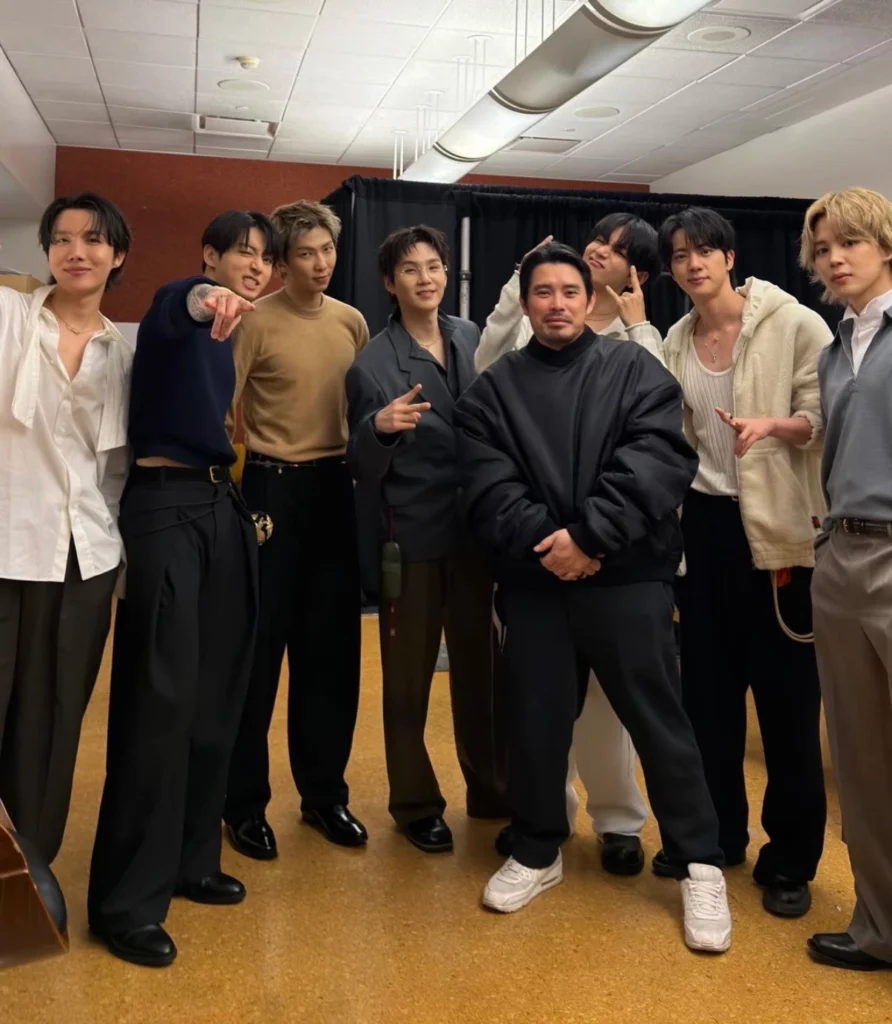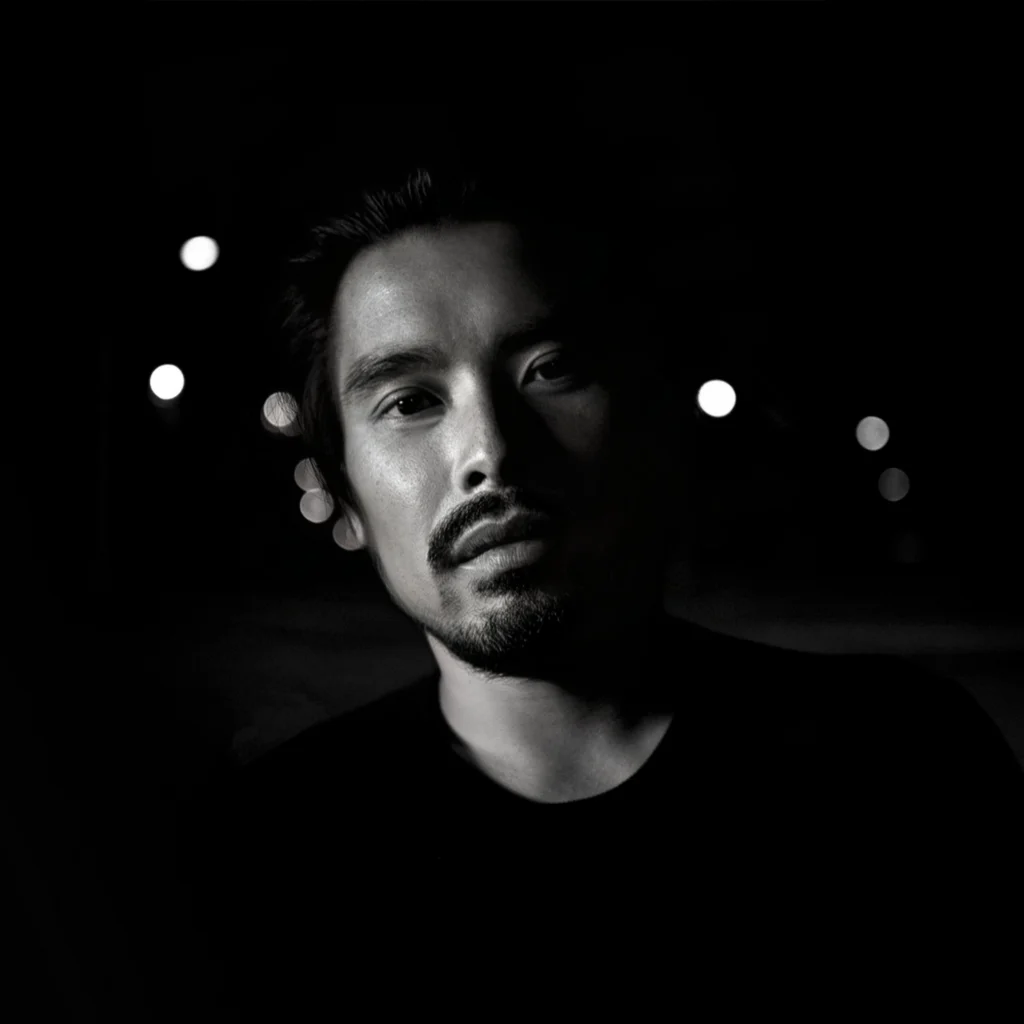
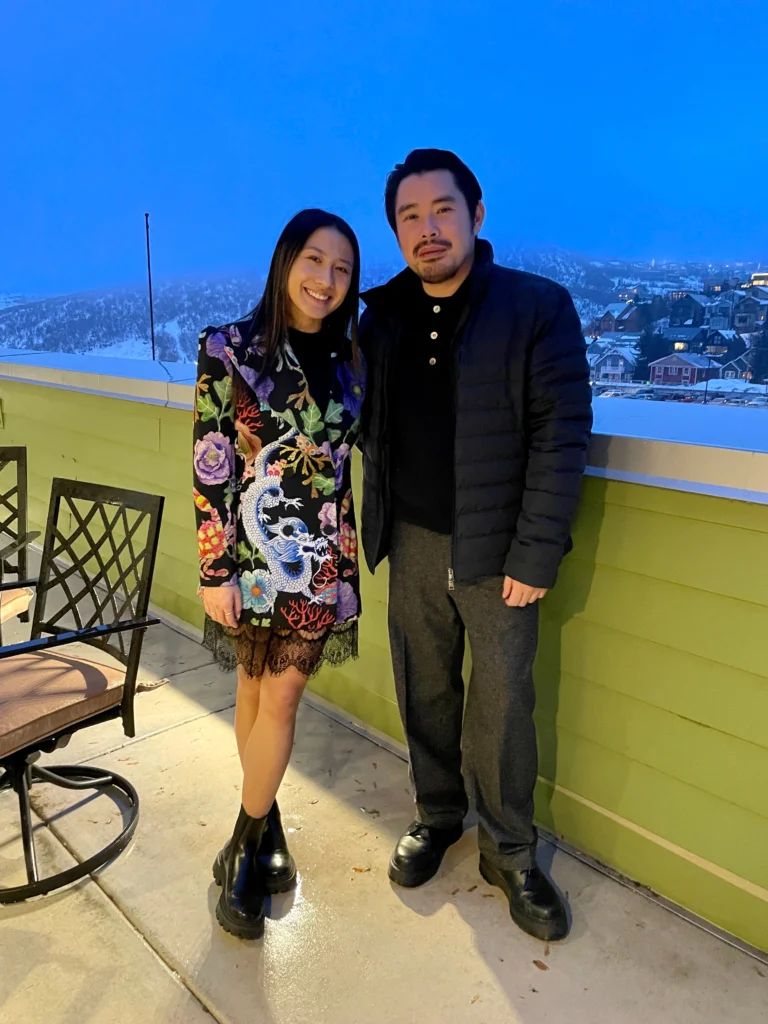
Seated in his Los Angeles apartment, Bao Nguyen appears on our video call wearing an iconic blue Dodgers hat. The press tour for his latest feature documentary, BTS: The Return, has just begun—bringing with it a whirlwind of interviews and premiere events—but he carves out time to speak with me, a mentee-turned-peer, about his release. In a way that mirrors his own approach behind the camera, where intimacy is drawn out through patience and trust, Nguyen offers Esquire Vietnam a rare glimpse into the inner workings of his creative approach.
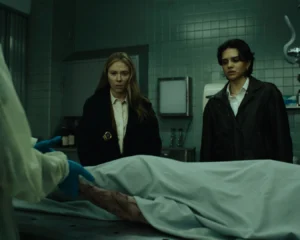
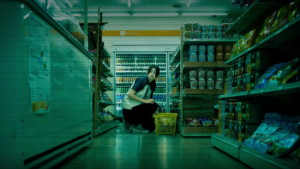
In recent years, Nguyen has become a defining voice in documentary filmmaking. In just two years, he has directed three feature-length documentaries and produced another: The Greatest Night in Pop (2024), which premiered at the Sundance Film Festival and climbed to become the number one film on Netflix; The Stringer (2025), also a Sundance premiere; and now BTS: The Return, centered on one of the world’s most influential music groups.
A graduate of New York University, where he studied Politics and International Relations, and later earned his MFA in film from the School of Visual Arts, Nguyen was born in Maryland to Vietnamese parents.
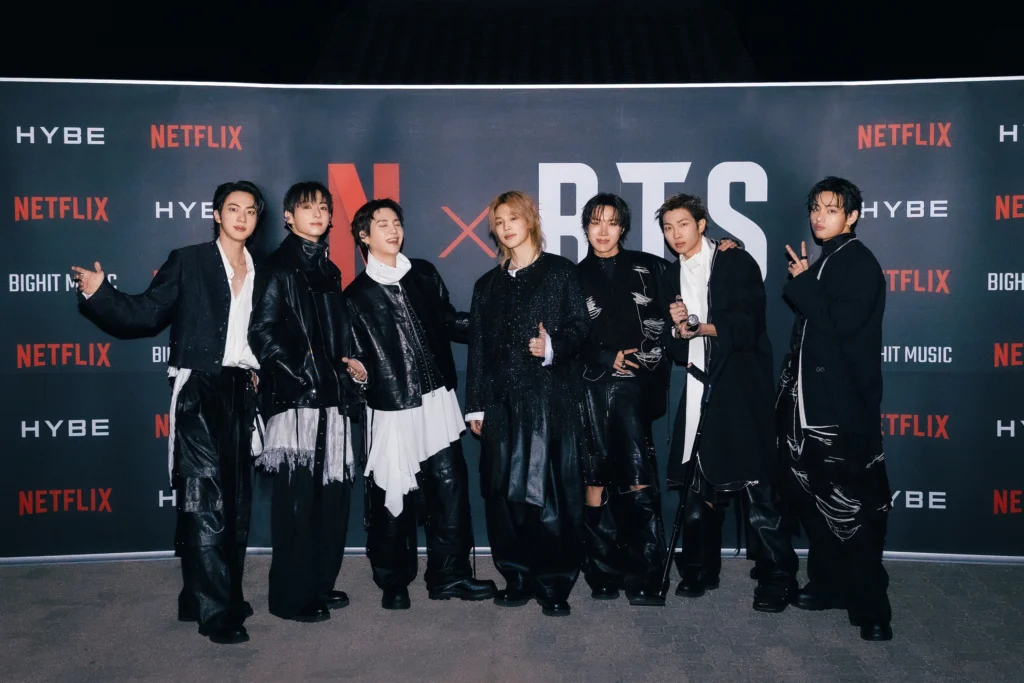
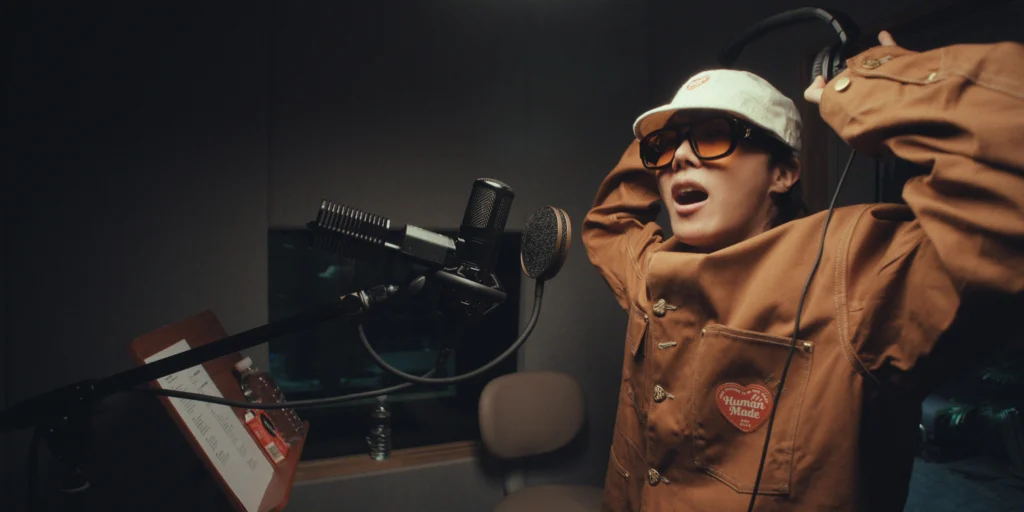
For BTS: The Return, Nguyen turns his lens toward BTS, a group that has come to define the global rise of K-pop. Since their debut under HYBE in 2013, BTS have redefined the scale and reach of Korean music on the world stage, building on the legacy of earlier acts while carving out a cultural movement entirely their own.
Their latest album, Arirang, released on March 20, marks their fifth full-length studio project and signals a new chapter. Nearly four years since their last performance together as a full group, BTS reunited at Gwanghwamun Square for BTS The Comeback Live | Arirang, a livestream event that drew a global audience. The performance is followed by the release of BTS: The Return on March 27, capturing a moment of transition, reflection, and redefinition for the group.
I first met Nguyen in 2020, when I was still a film student at New York University. I sent him a cold message on Facebook and, to my surprise, he replied. Soon after, I began interning for him. That experience reshaped my trajectory as a filmmaker and continues to inform my work today. Nguyen taught me that filmmaking isn’t just about making films—it’s a way of moving through the world.
Catherine Nguyen: When you’re documenting cultural icons such as the members of BTS, there’s enormous pressure to get the story “right.” How do you stay grounded in your own creative voice while navigating expectations from fans, audiences, and the wider cultural conversation?
Bao Nguyen: You have to enter any project where you’re working with very visible participants with the understanding that there is a lot of pressure. But I try to transform that pressure and sense of burden into a privilege. It often crosses that threshold between privilege and responsibility for me as I’m making a film. First off, it’s always about making a great story—making something that I would want to watch.
Because if I don’t want to watch it, then I feel like I’ve failed as a filmmaker in many ways. It’s about making sure you get what you intended coming into it, but also having a sense of discovery on the day. That’s what feels most honest when you’re filming, when you’re editing, and what eventually comes up on the screen.
Catherine: In line with this sense of discovery, RM references the Greek concepts of Kairos and Chronos—the tension between measured time and the right moment. Documentary filmmaking often feels driven by Kairos, where timing meets alignment and preparedness. How did that idea shape the way you approached storytelling in this film?
Bao Nguyen: It was a very happy coincidence that RM started speaking about these Greek concepts of time. Chronos as linear, measured time, and Kairos as something more impermanent or immeasurable. It’s ironic, because when I originally thought about this film, I saw this moment in BTS’s career as similar to The Odyssey. When I saw them perform at SoFi Stadium in 2021, they were preparing to leave for military service. They were talking to their fans, and there was this deep sense of emotion. It felt like longing, the same way Penelope longed for Odysseus while he was at war.
So when I heard RM talk about Greek mythology and philosophy, it was one of those moments of discovery where I was just smiling from ear to ear. You have these moments of synergy where what you come in thinking the story is, the participants reflect that back to you and mirror it in many ways.
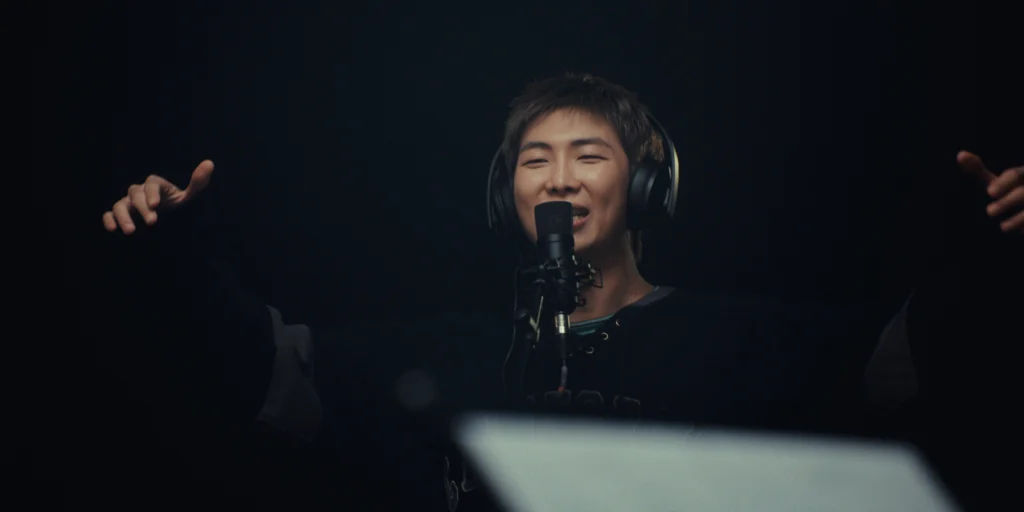
So when I heard RM talk about Greek mythology and philosophy, it was one of those moments of discovery where I was just smiling from ear to ear. You have these moments of synergy where what you come in thinking the story is, the participants reflect that back to you and mirror it in many ways
In terms of how those concepts are embedded in the film, I let RM lead me. He described their time in the military as repetitive and routine, while their time in LA felt more like Kairos.
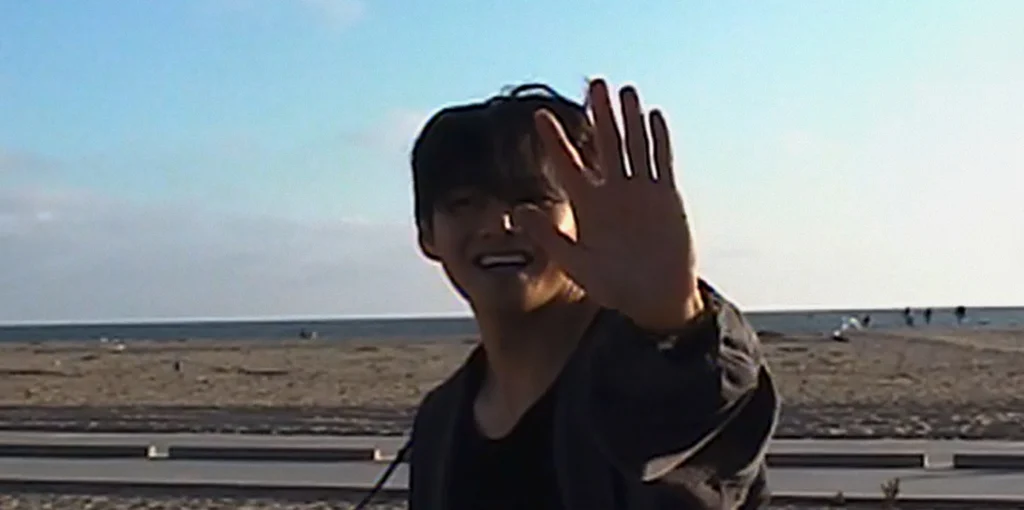
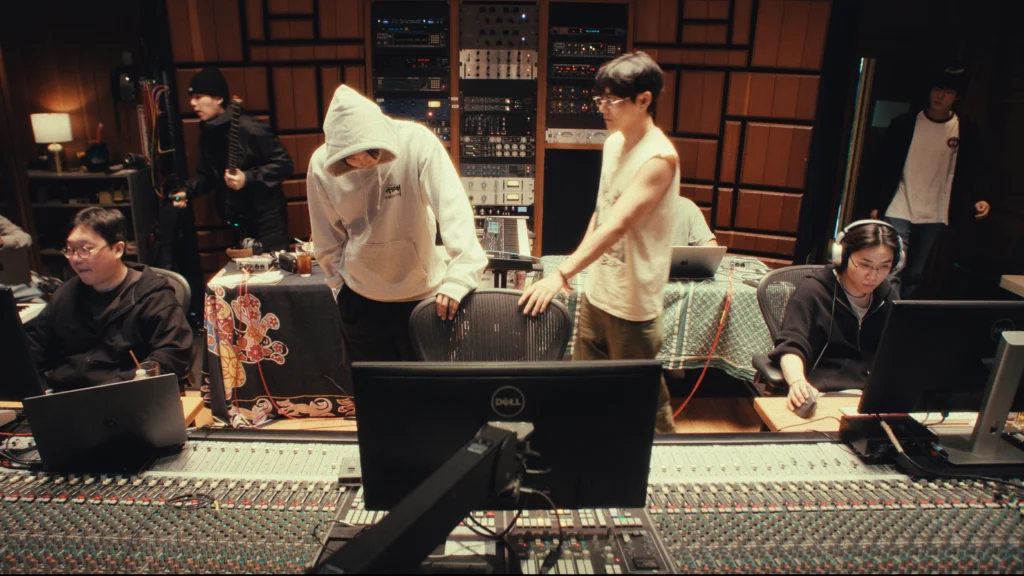
I used that framework in the edit through cinematic language like slow zoom-ins, and the contrast between our footage and what BTS shot on the camcorders I gave them. I knew we wouldn’t be able to spend 24/7 with them, so I wanted them to record things on their own. That footage has a sense of rawness and intimacy—a representation of Kairos. The texture feels timeless like home video.
Film is one of the few art forms that is durational, where you can really play with time. You think about what it means to let a scene play out without a cut versus cutting it up, or how you structure an edit. You have agency over how an audience feels.
Catherine Nguyen: I think what’s really interesting when making a documentary film is that you come in with a sort of framework or direction you hope the story will go in. But once you’re in the edit room and the footage comes together, the story can change entirely. How did the story evolve from what you prepared in pre-production to post?
Bao Nguyen: You want to go into a film as prepared as possible through research and production prep, but also with a sense of discovery. That feeling translates into honesty, rawness, and intimacy.
You come in with ideas about what the themes might be, but through shooting, listening, and observing, new themes reveal themselves.
I came into this thinking it might be about artists at the top of their game, just knocking out song after song. But in the first few days, I saw the pressure. They talk about going through a slump at the beginning of the film, and I didn’t expect that. I thought they were just refining and perfecting things, but that tension revealed itself through observation.
I knew they were global icons, but I didn’t fully realize how heavy the crown is for them to represent their country and culture through language and music, and to act as cultural ambassadors to the world.
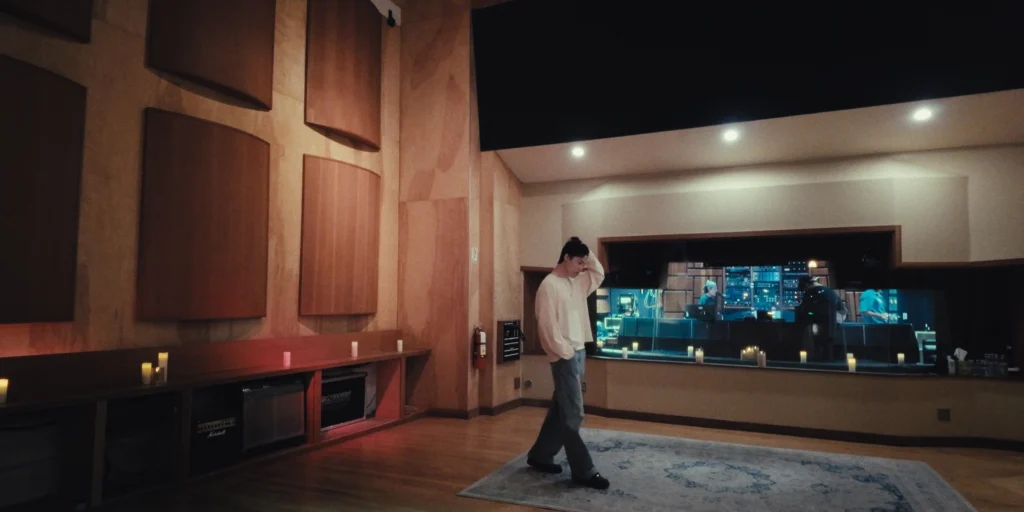
Catherine Nguyen: In an interview, you once said that you’re interested in making “the epic intimate and the intimate epic.” I can see that intention when we get to spend time with the BTS members individually in the car, in their home, and with the camcorder footage. How did you create the kind of safe space that allows people who are highly media-trained and constantly in the public eye to move past the initial guard and speak more openly?
Bao Nguyen: I think, ironically, it’s by giving them space that you create proximity and intimacy. From my experience, being in someone’s face feels obtrusive and transactional.
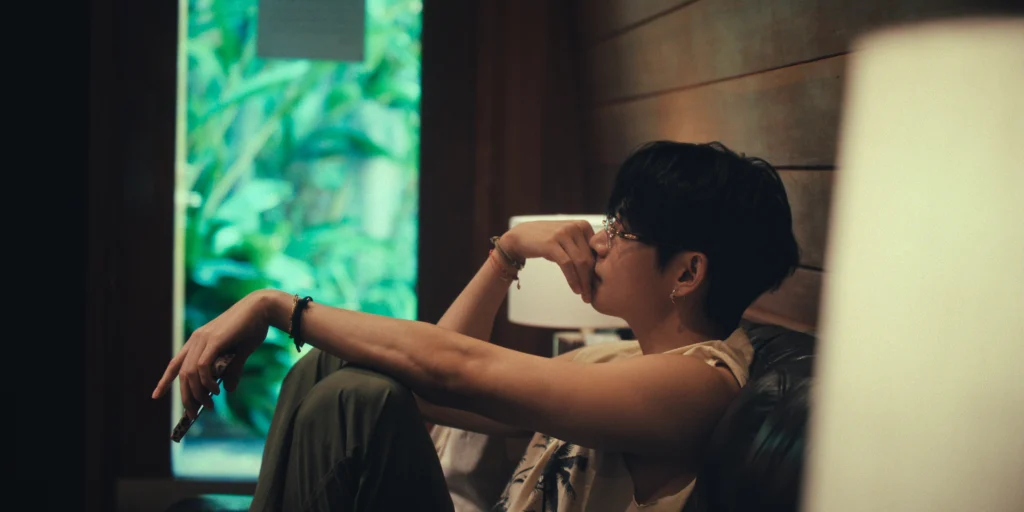
We stepped back and observed. We shot mostly on sticks and long zooms instead of being handheld right next to them, because I wanted to give them space. They were in the middle of a daunting creative process, so it had to be observational, very fly-on-the-wall.
The longer we stayed, they began to pull us in—figuratively and literally. It’s also about patience and understanding that they will open up when they’re ready. As a filmmaker, you try to create the conditions where that can happen.
For me, a car ride becomes a confessional booth. Each member had their own car, so it was one of the few times they were alone with their thoughts. Living in LA, I yearn for the time to be alone in my car. I can sit and gather my thoughts, but I’m actually also on a journey. There’s a clear beginning, middle, and end to a car ride.
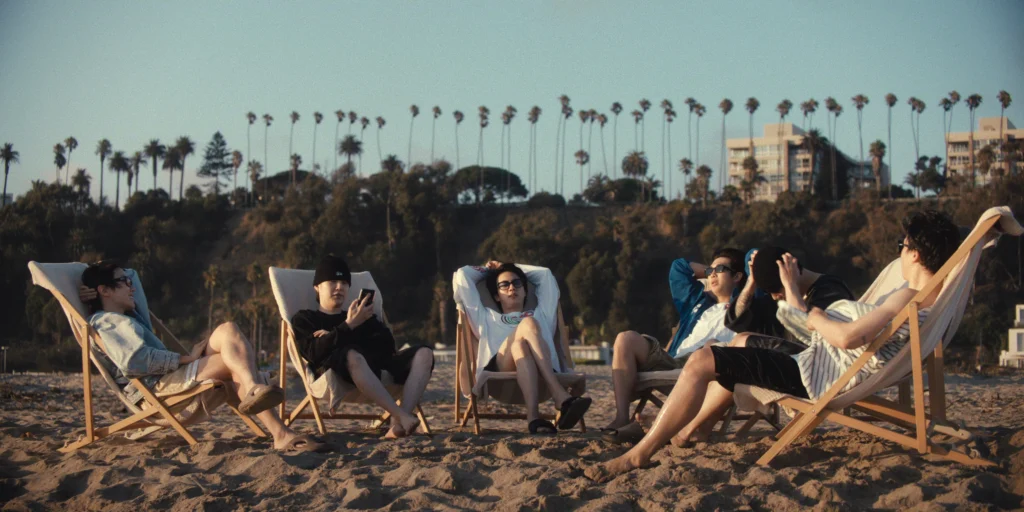
Catherine Nguyen: I noticed water as a recurring motif here, which echoes your earlier work on Be Water. In this film, it shows up through the ocean, the pool, even focusing on the making of the track, “Swim.” What drew you to water as a lens for telling BTS’ story and what does that sense of fluidity or shapelessness represent to you in this chapter of their journey?
Bao Nguyen: It’s somewhat unconscious in my work. And coincidentally, Swim became the title track and I didn’t know that while filming.
I think one of the first camcorder shots was crossing over the ocean from a plane window. For me, crossing a body of water is a recurring motif. It connects to my identity as a Vietnamese American, as the child of refugees. My parents left Vietnam by boat, like many others seeking a new homeland.
These ideas come together in the edit. When you’re tying themes together, you start to see parallels between BTS’s journey and the historical journey embedded in Arirang, of people crossing water in search of something new.
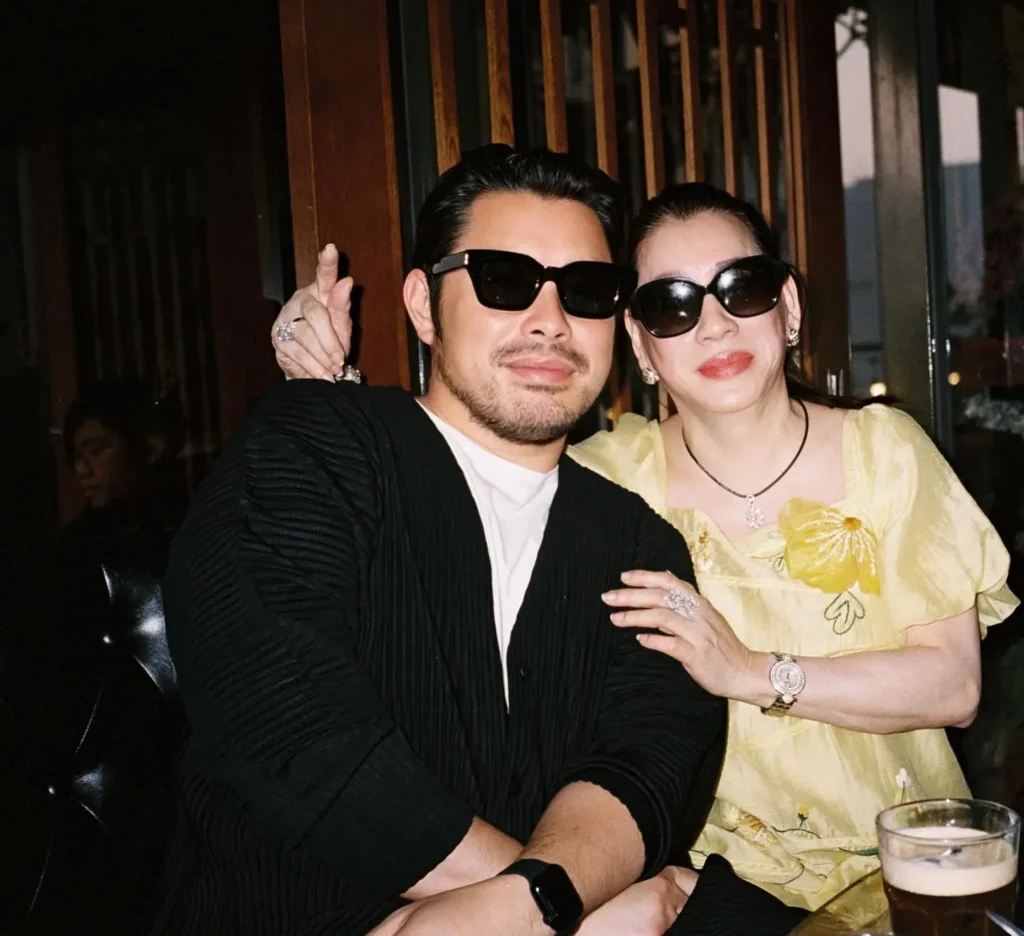
Catherine Nguyen: Speaking of your family, I noticed you brought your mom to BTS The Comeback Live | Arirang at the historical Gwanghwamun Square. What did it mean to share that moment with her? And how has your family’s perspective on your artistic path evolved over time?
Bao Nguyen: I think we always come back to that trauma of trying to meet our parents’ expectations, especially as children of refugees and immigrants. My mom loves Korea, and to be completely direct, I just needed to impress my mom that I’m a filmmaker that makes work that people watch.
It’s funny–there were all these influencers at the screening, and my mom was livestreaming to zero followers. I asked her, “Who are you livestreaming to?” Maybe she belongs in that influencer world.
…to be completely direct, I just needed to impress my momthat I’m a filmmaker that makes work that people watch
Catherine Nguyen: That’s so cute. I feel like it must have been such a memorable moment for her and she must be so proud of you. And I know like Asian parents, they probably don’t say those words, but the livestreams say it all.
Bao Nguyen: Exactly.
Catherine Nguyen: Following their return from the military, BTS speak about a sense of lost direction—something that feels universal for artists at any stage. In the film, that search takes them outward to Los Angeles, chasing a shift in energy, before ultimately guiding them back inward toward their roots, with Arirang as a kind of north star. When you find yourself in that space of uncertainty, do you look outward for inspiration, or inward toward something that feels like home?
Bao Nguyen: People might laugh, but I’m actually an introvert. I can be extroverted when I need to be, but I really need to sit with my thoughts in order to create and feel inspired. At the same time, I’m deeply in love with filmmaking, so I always want to be creating. That’s why I’ve been making films back to back. Maybe I do need to pause and reconnect with myself, but this work is something I’m so passionate about. I don’t see my work as a vocation. It’s like breathing to me.
I don’t see my work as a vocation. It’s like breathing to me
Catherine Nguyen: Earlier you talked about BTS wearing a “heavy crown”—how recognition can come with a sense of responsibility. As one of the few Vietnamese directors working at this scale, do you ever feel a similar weight? And do you ever think about what your visibility might mean for the next generation of Vietnamese filmmakers?
Bao Nguyen : Having a community not only of Vietnamese American artists but also Asian American artists making incredible work is what lifts me up and reminds me that I’m not alone.
I take it one day at a time. I try to transform what might feel like responsibility into a sense of privilege, like I mentioned earlier, and that helps me keep creating. I hope that by continuing to make work, I can help create a path for younger filmmakers, to show that you can make work that is meaningful to you while also making your parents proud.
Catherine Nguyen: So much of our storytelling is fueled by the people and experiences around us. What are you most looking forward to, creatively or personally, in the years ahead?
Bao Nguyen: Well, I’m getting married this year. I mean, you’re going to make me cry now. I’m so in love, and I can’t wait to start a family and build a home with my fiancée. She’s actually walking out right now. It’s a really beautiful moment in my life, and I feel very grateful. [Bao tears up, his voice catching.]
Catherine Nguyen: That’s so beautiful. Thank you for sharing. I think it’s really special to hear about that part of your life, because as artists and as humans, it’s so important to surround ourselves with those who uplift and inspire us to keep growing and creating.
Thank you Bao for the heartfelt conversation and thank you to Netflix for coordinating this interview!
Bao Nguyen’s BTS: THE RETURN premieres worldwide on Netflix on March 27.