I have always found my way into a culture through its stories—history, mythology, folklore, the figures who allow us to imagine where we came from. Maybe that instinct is stronger because I grew up as a Vietnamese kid in America without really being taught any of my own history. If I wanted to understand the kings and emperors whose names I vaguely recognized, or the dynasties and legends behind them, I had to teach myself: buying books, following historical rabbit holes, slowly piecing together the legends.
So watching The Odyssey (2026) last month, I found myself thinking: Damn, I wish we had this. Not this story, obviously, but a historical epic capable of conveying that same nobility and warrior spirit through a Vietnamese lens—a film big enough to make our history feel mythic. Vietnamese cinema has gone there before, from Victor Vũ’s wuxia-inflected Thiên Mệnh Anh Hùng (2012) and the courtly intrigue of Đêm Hội Long Trì (1989) to the martial spectacle of Tây Sơn Hào Kiệt (2010). But it has been a long time since a Vietnamese production attempted ancient history and folklore on this commercial scale.
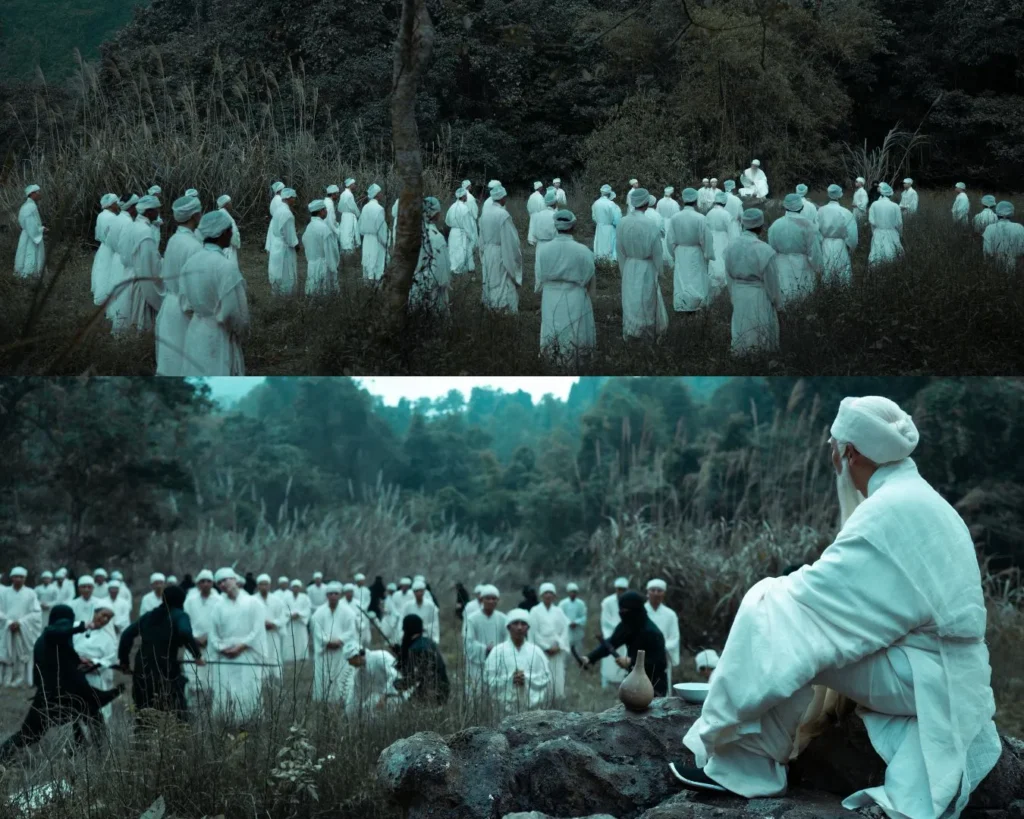
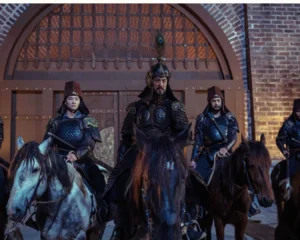
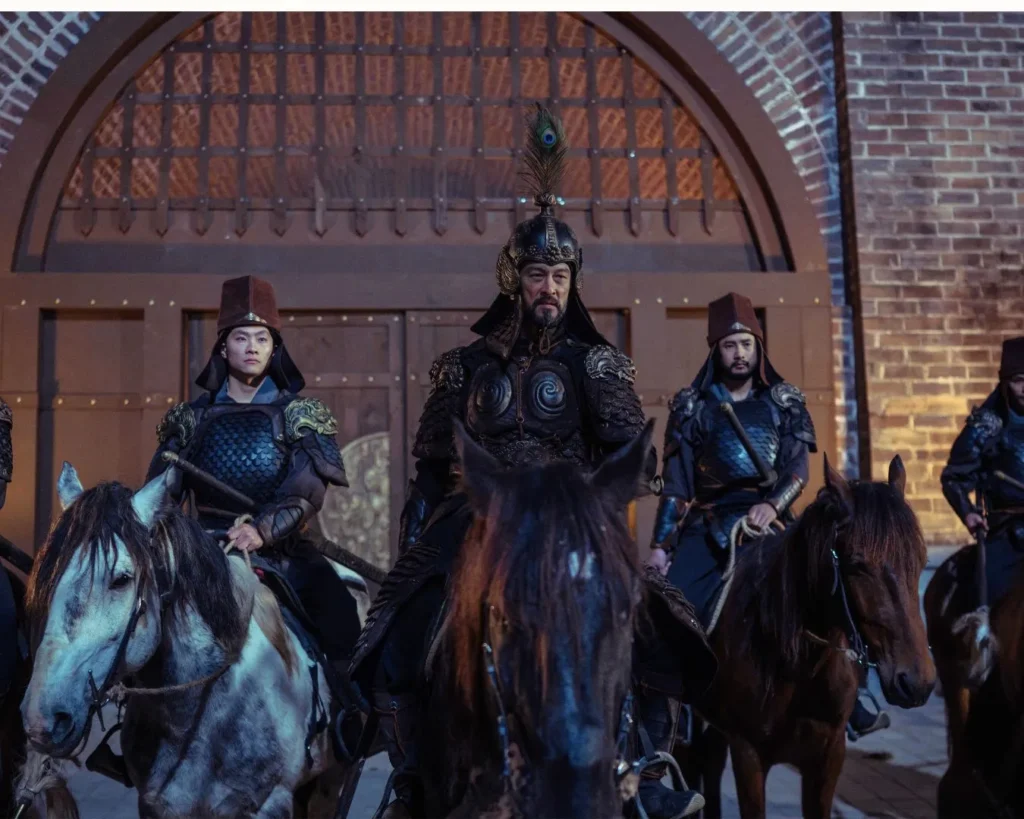
At the premiere of Hộ Linh Tráng Sĩ – Bí Ẩn Mộ Vua Đinh, I finally got something close to the movie I had been waiting for. Directed by Nguyễn Phan Quang Bình (Cánh Đồng Bất Tận) and inspired by legends surrounding the death and secret burial of Đinh Tiên Hoàng, the film wisely avoids pretending to be a history lesson. It takes what we know and lets folklore inhabit the gaps, following a group of warriors charged with protecting the secret of the emperor’s final resting place. It plays less like a textbook brought to screen than an old story being retold with blockbuster resources.
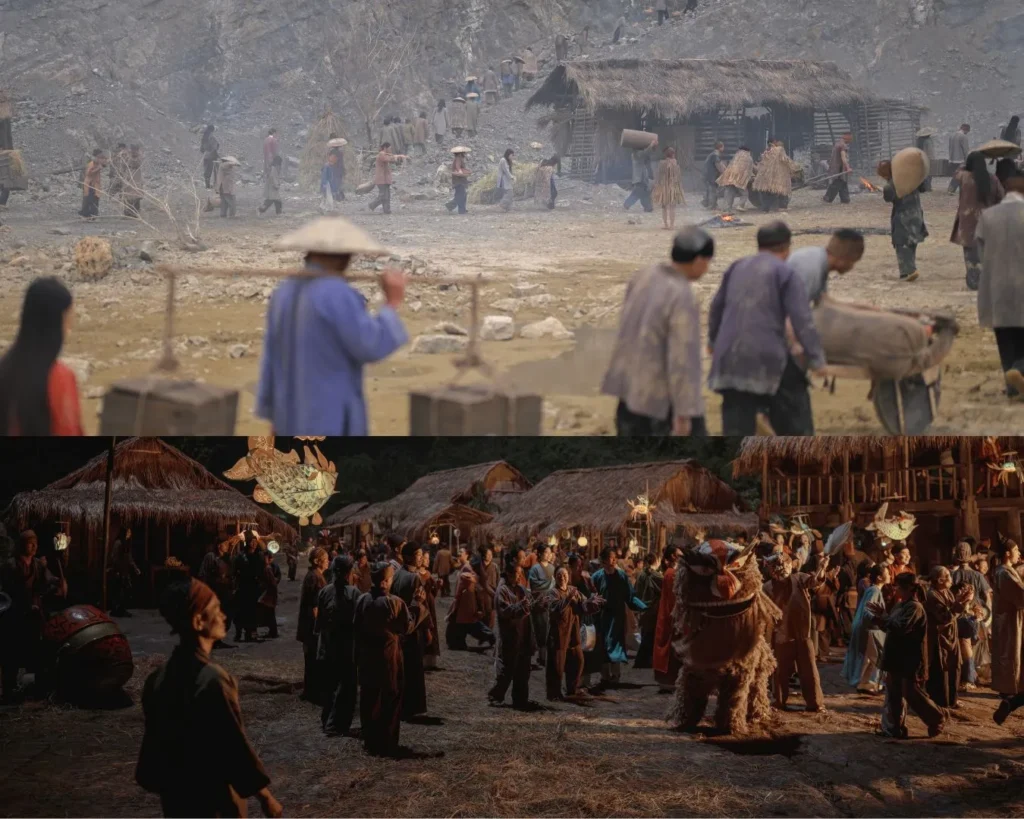
Those resources are evident in the armor, sets, crowds and physical scale, but more impressive is how recognizably Vietnamese the film feels. The evocative, nuanced costumes, overseen by Bao Tranchi with many designs by Mai Lâm, resist the generic East Asian fantasy aesthetic into which period films can easily slip. Quốc Trung’s score does similar work through percussion and traditional instrumentation, particularly in battle. The film never feels like a Vietnamese story borrowing the cinematic vocabulary of somebody else’s history. It feels distinctly Vietnamese.
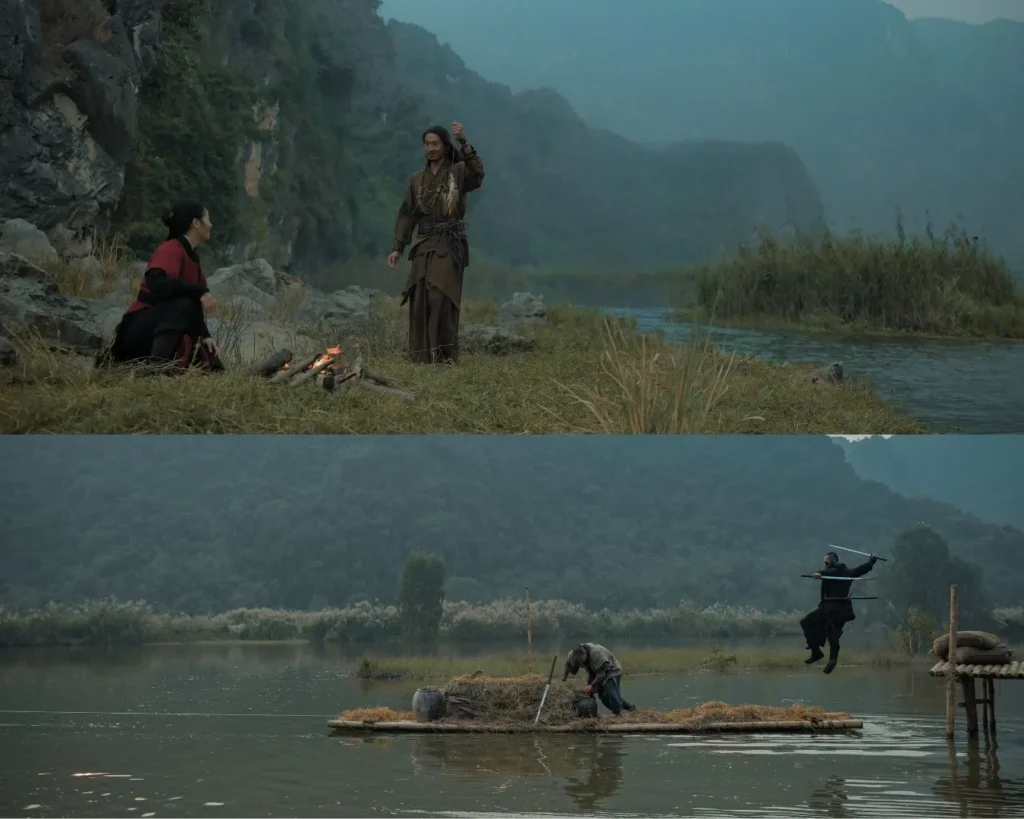
Ninh Bình of course helps enormously. The limestone karsts, rivers and caves surrounding the ancient capital of Hoa Lư need little embellishment to look epic, and Nguyễn K’Linh’s cinematography often lets the landscape dwarf the people moving through it. Rather than functioning as a pretty backdrop, the terrain gives the mythology a physical home.
The performances keep all that spectacle human. Trần Thiên Tú is magnetic as An Nhiên, bringing both physical conviction and contemporary energy to a warrior unwilling to accept the boundaries imposed upon her. Her eight months of martial-arts training show: she does not merely look convincing with a weapon; she moves with purpose. Tuấn Trần’s Nguyên Phong is an effective counterweight, capable and suitably dashing but playful enough to keep the film from becoming oppressively solemn.
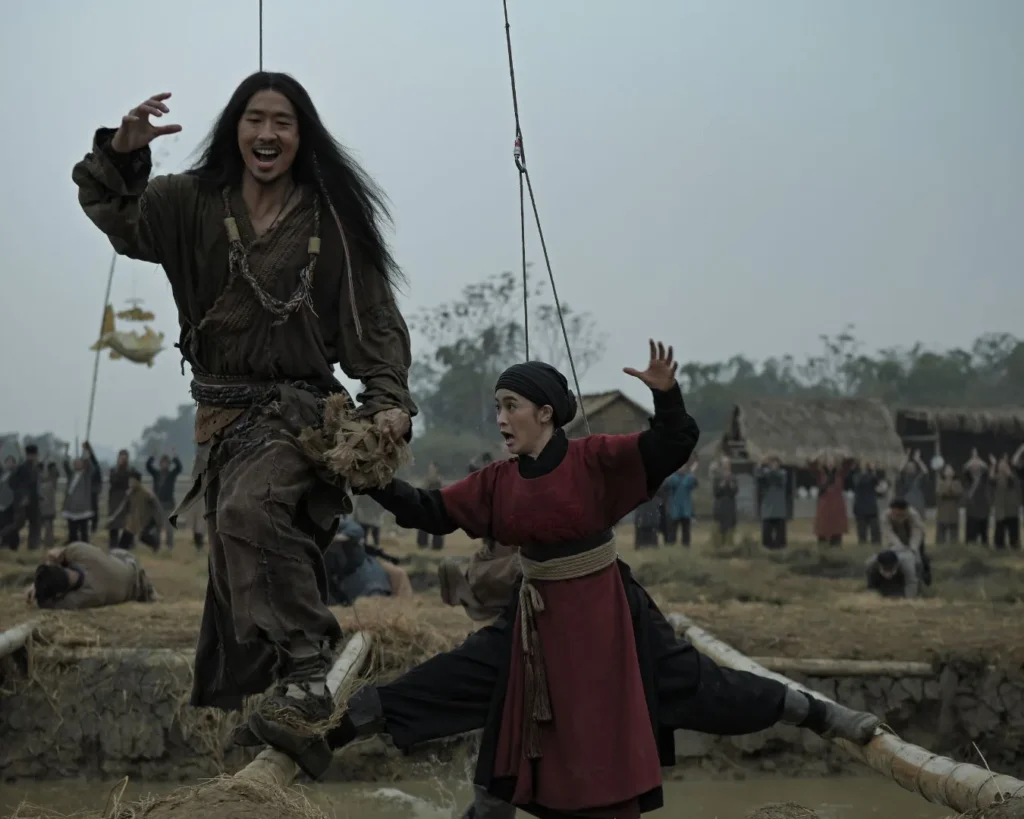
Newcomer Đăng Trần, as the Tráng Sĩ Sông Nước, was an unexpected standout—and quickly captured our hearts. Among more established screen presences, his freshness and sincerity make him immediately appealing. He also makes the film’s larger ideas about brotherhood and sacrifice more affecting: an ensemble epic only works when we care about the individuals being asked to give themselves to something larger.
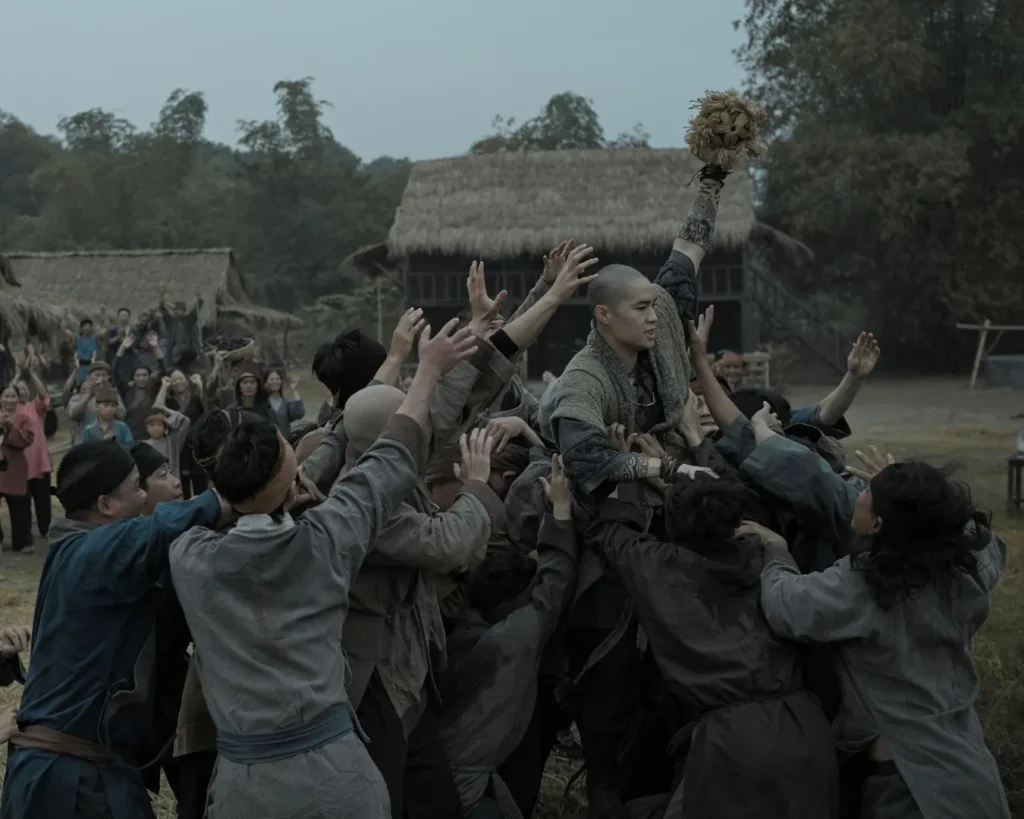
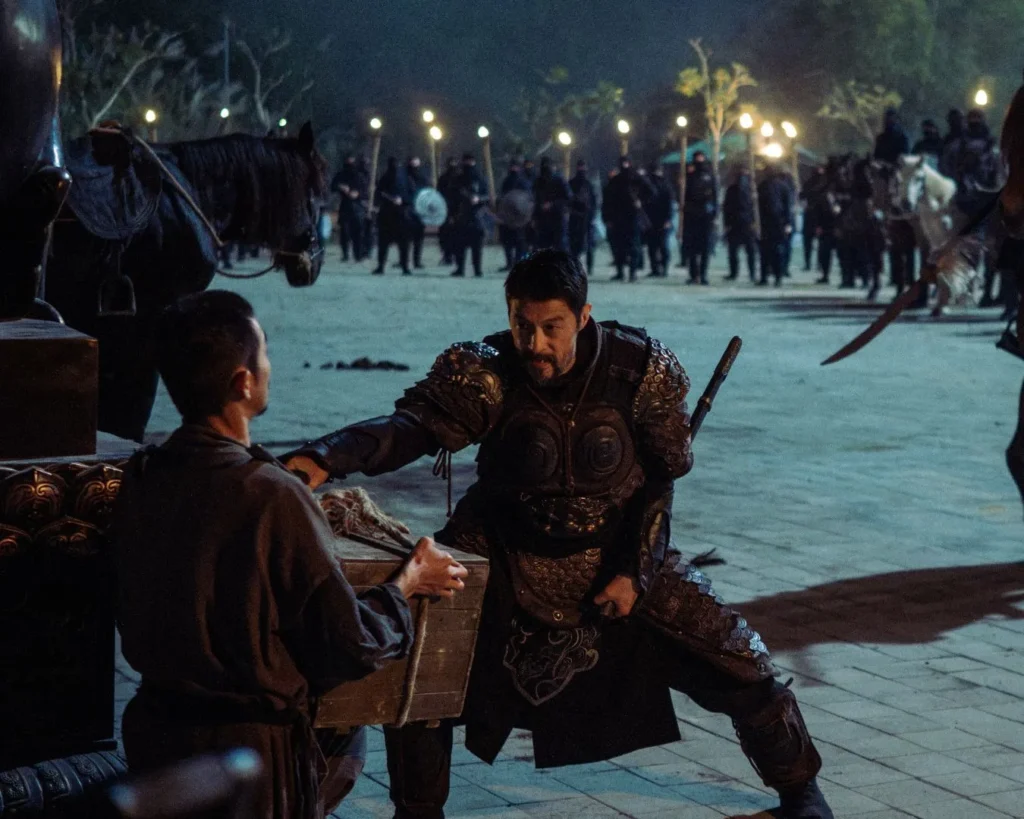
Johnny Trí Nguyễn’s return to the big screen as Hữu Tướng Quân carries obvious nostalgic weight, though his most important contribution may be as the film’s action director and martial-arts choreographer. The combat favors speed, defense and efficiency over excessive wirework; bodies collide, weapons hurt, victories feel earned. At the premiere, the audience repeatedly broke into cheers during the biggest fights. That response matters because these sequences are not merely technically accomplished—they are genuinely thrilling.
The film is less assured when it stops moving. At more than two and a half hours, it is overlong, and the central quest sometimes disappears beneath court intrigue, betrayal and the exposition required to establish its world. The first half in particular can feel burdened by information, obscuring the beautifully simple dramatic engine underneath: a group of people bound by duty, undertaking a journey from which some may never return.
That simplicity is also where Hộ Linh Tráng Sĩ finds its emotional power. Its worldview is deeply Vietnamese, built around collective duty, sacrifice, loyalty and honor—the belief that some things are larger than the individual and worth protecting. Yet the film allows those values to collide with equally human impulses that resonate in the modern day: rebellion, love, desire, humor and the stubborn wish to choose your own life. An Nhiên and Nguyên Phong do not undermine the film’s ideas about duty by wanting something for themselves: they make the price of duty tangible.
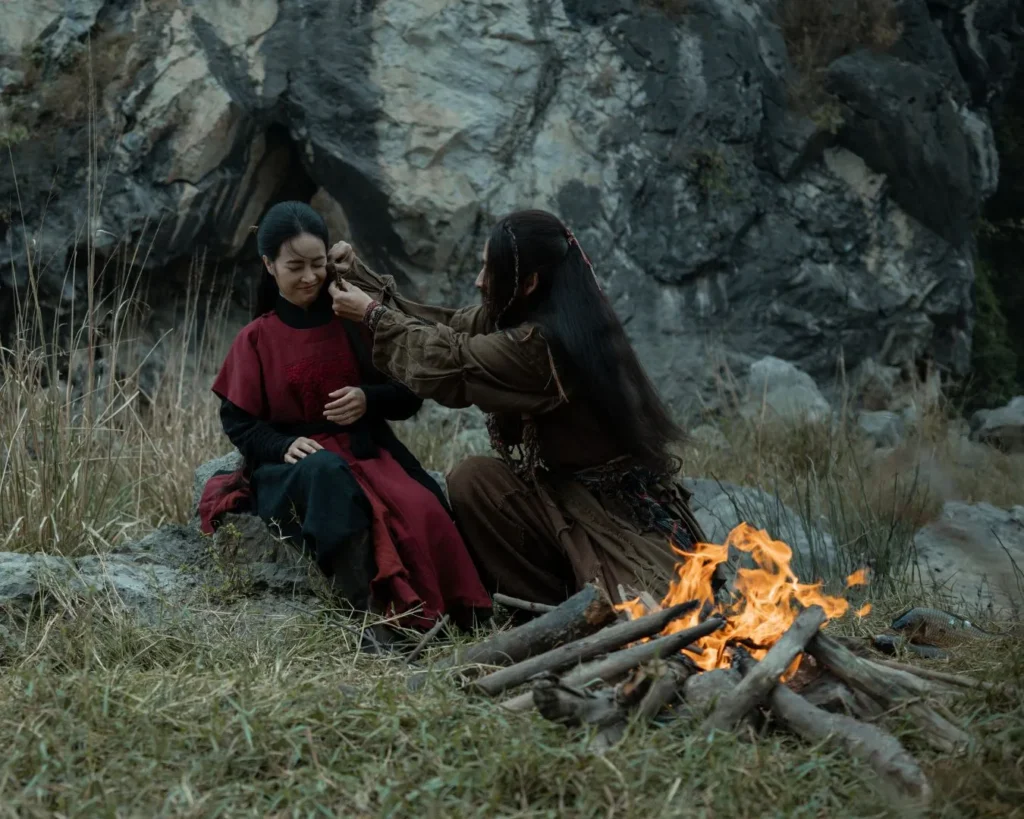
For me, that tension is what historical cinema should do. I do not need every legend treated as literal fact or every gap in the historical record filled with academic certainty. Mythology serves another purpose: it allows people to understand their identities through the stories they inherit. Sitting in the theater, I could see that recognition happening around me. Grown men were shedding tears; minutes earlier, the same room had erupted in cheers as the tráng sĩ fought. Watching a Vietnamese audience respond so viscerally to Vietnamese heroes was unexpectedly moving—our landscapes, history and ideas about courage rendered with the scale and conviction we are accustomed to granting the myths of other cultures.
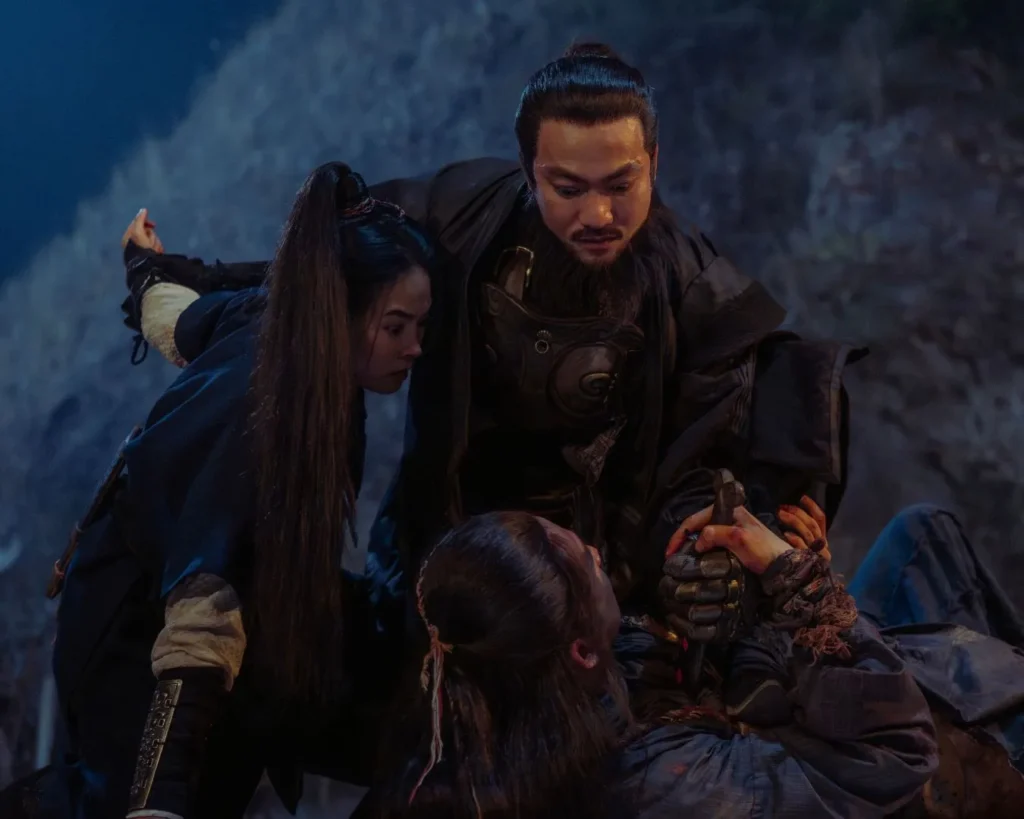
For years, I have wanted Vietnamese filmmakers to claim that scale for our own stories: our landscapes, martial traditions, folklore and complicated ideas about love and duty. Hộ Linh Tráng Sĩ does exactly that. For all its imperfections, it makes a piece of our past feel enormous, alive and ours. Judging from the cheers and tears around me, I was hardly alone in feeling it. I’ll absolutely be seeing it again.
Photo courtesy of BHD