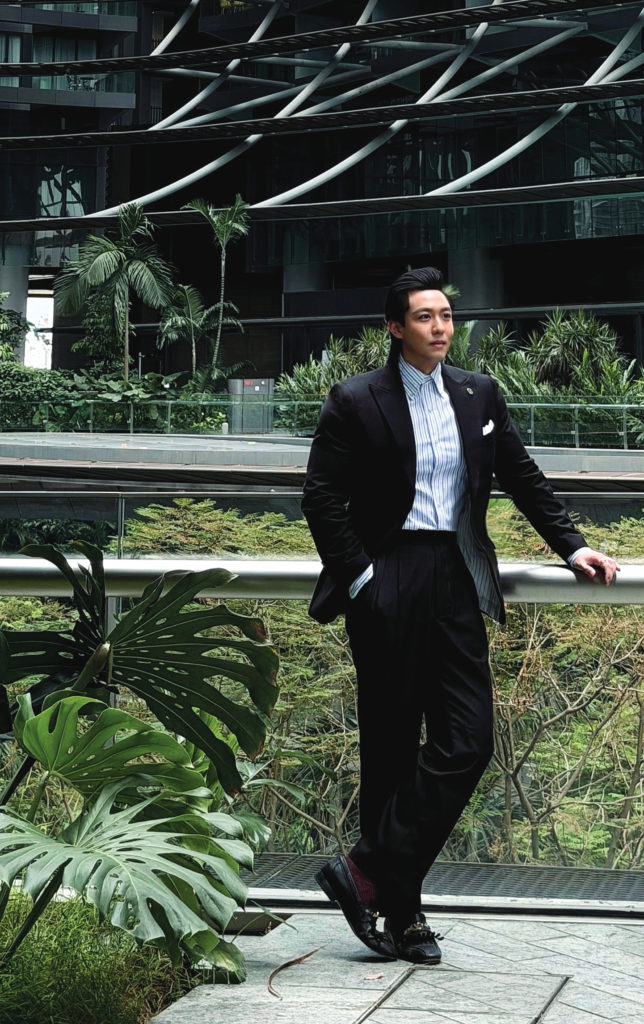
Alvin Chong did not grow up dreaming about watches. He is 29, works in corporate finance in Singapore, and his introduction to horology came from the least romantic of places: mandatory military service. At 18, every male in Singapore is required to serve in the army—and army life, with its strict schedules and timed everything, demanded a watch.
Chong, being the kind of person who researches before he buys, started reading. One article on the history of the Rolex Submariner led to another, and then another. The object he had once considered mundane began to reveal a world—of design, of history, of culture—that he hadn’t expected to find. A Cartier Santos in steel came not long after. That watch no longer belongs to him, but it opened a door he has never closed.
By 27, Chong had acquired the Cartier Crash—the watch he’d set as his holy grail, the piece he’d promised himself he would own before 30. He got there early, ahead of schedule, and then experienced something he hadn’t prepared for: stillness. A quiet that arrived in place of the chase. After reaching what felt like his ultimate goal there came a brief sense of emptiness—like there was nothing left to pursue. What followed was a new question: what does this actually mean to me? That question, still forming, is what shapes everything that comes next.
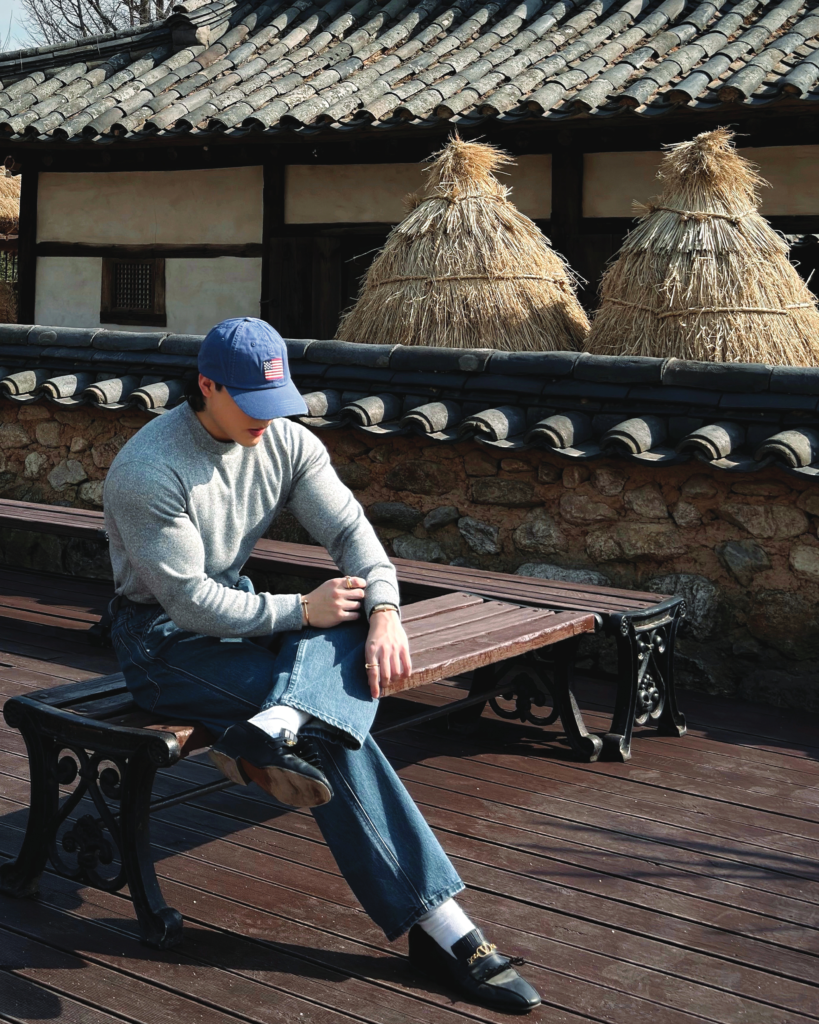
Esquire Vietnam: How would you describe your collection today—the philosophy behind it?
ALVIN CHONG: Focused, intentional, emotionally driven. There’s a clear logic to it, but the logic isn’t technical—it’s about resonance. A watch has to speak to me through its proportions, its history, or even its subtle eccentricities. I know within a minute of seeing a watch whether it’s meant for me. That instinct, once you’ve trained it, is usually right.
I’ve always gravitated toward pieces that feel timeless rather than trendy. Designs that once seemed understated now feel profound. The more I’ve collected, the more I’ve come to believe that simplicity—when executed well—is never truly simple.
Your taste has clearly shifted. What changed?
Like most collectors, I started broad. In the early years I was drawn to sportier, bigger watches — dive watches, statement pieces. Over time I began to appreciate restraint over excess. My collection today looks like the complete opposite of where I started. Smaller dress watches, elegant dials, quieter confidence. Pieces like the Cartier Tank — which may appear simple at first glance — reveal extraordinary depth the more you study them. I also collect pieces from A. Lange & Söhne and Grand Seiko. Each one earns its place. I’ve learned that knowing what you don’t want is just as important as knowing what you do.
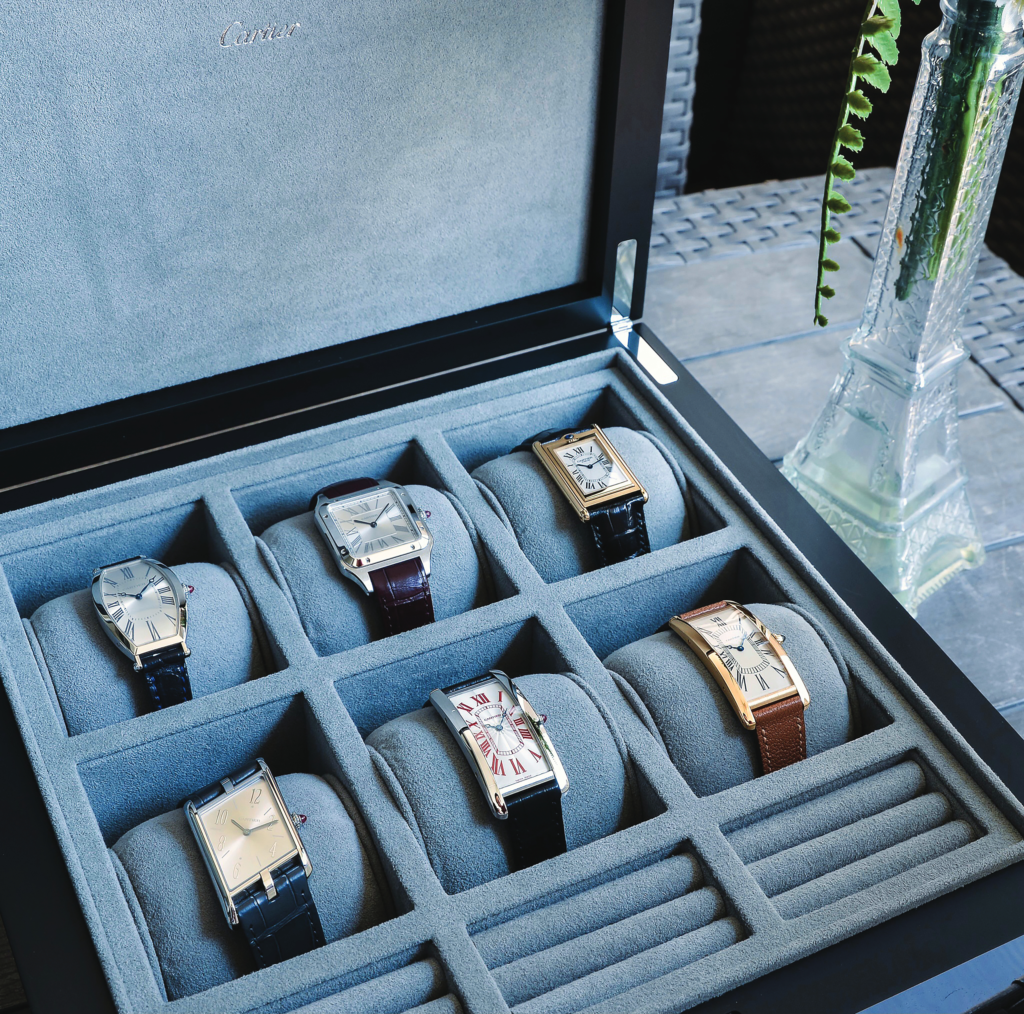
I’ve learned that knowing what you don’t want is just as important as knowing what you do
You’ve described Cartier less as a watchmaker and more as something else.
An artistic maison that doesn’t fit neatly into categories. What I find especially compelling is its ability to experiment while remaining unmistakably itself—from the Crash to the Tank Asymétrique, even its most unconventional designs are instantly recognisable. That coherence across decades, across wildly different forms, is rare.
Does the Singapore collector community shape how you collect?
The community here is sophisticated in a way that pushes you to refine your perspective. Conversations go beyond brands into design codes, historical context, philosophical approaches. Because Singapore is a small country, collectors cross paths often, which creates genuine friendships — and those relationships create a space where you can challenge each other’s thinking openly. It raises the standard for everyone involved.
In an age of smartwatches, why does a mechanical watch still matter?
Because it represents permanence. Technology moves fast, but a well-made mechanical watch can remain virtually unchanged for decades and still feel contemporary. There’s something about wearing a mechanical watch that connects you to craftsmanship, to human ingenuity, to the people who made it and the people who wore it before you. It’s not about telling time. It’s about carrying a story on your wrist.
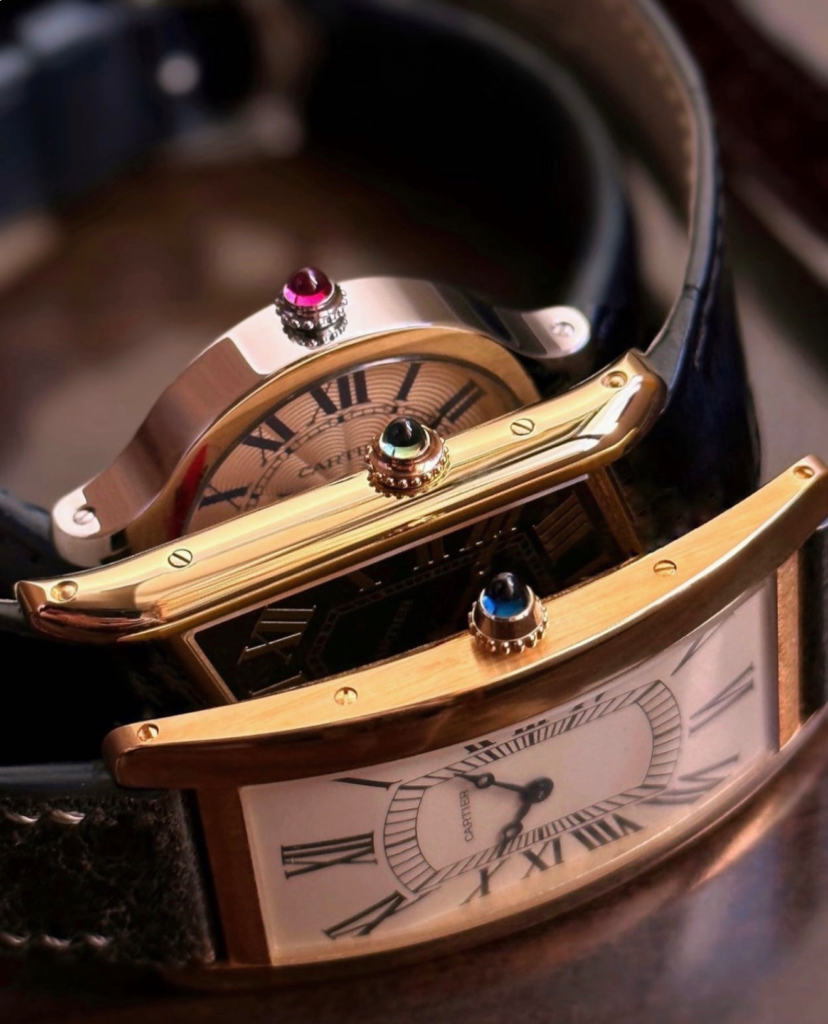
It’s not about telling time. It’s about carrying a story on your wrist
Investment or passion — where do you stand?
Passion, always. A watch should mean something beyond its market value. Financial appreciation is a bonus, not the goal. The best collections I’ve seen are built on conviction — on a clear sense of personal aesthetic — not on speculation. You can always tell the difference.
You have a philosophy about scratches that not many collectors share.
I don’t believe in protecting a watch from being worn. The only way a watch doesn’t scratch is if it stays in a box — which defeats the purpose entirely. I don’t service mine unless they stop working. I see the first scratch as the beginning of a relationship. It’s a mark of wear, of experience. Something that accompanies you through life rather than something to be preserved from it.